Wild elephants spotted roaming in parts of Sagar taluk in Shivamogga
Source Entity
India Latest News: Top National Headlines Today & Breaking News | The Hindu
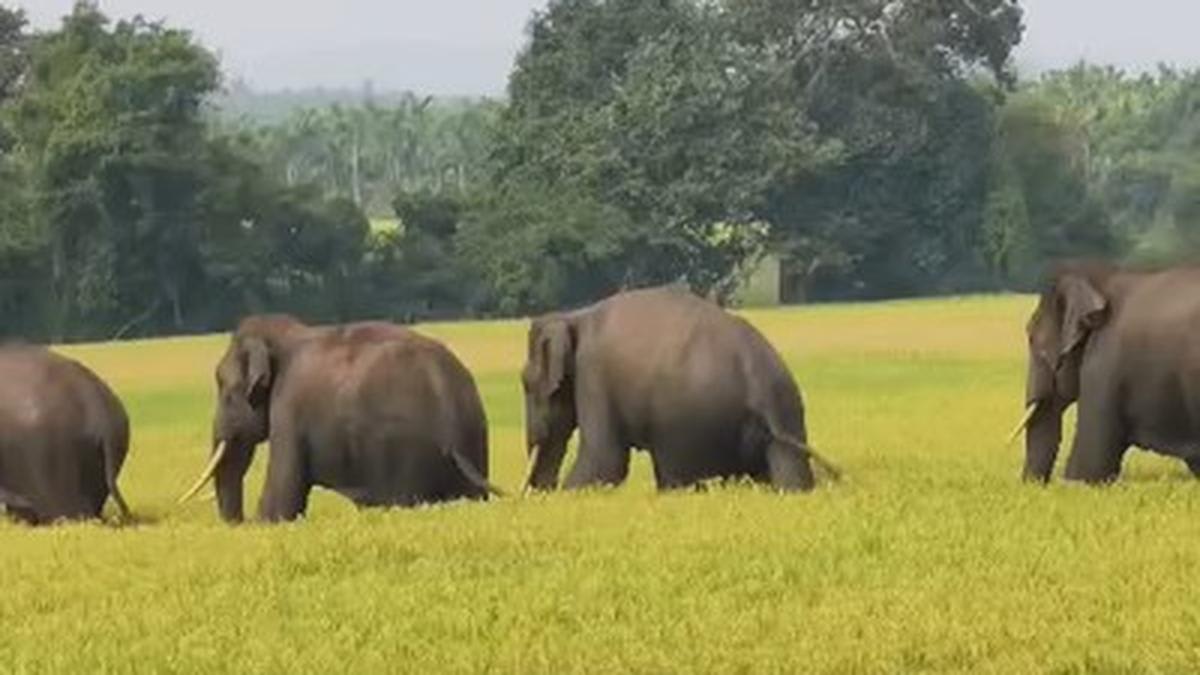
A herd of five wild elephants has been spotted raiding crops in the Sagar taluk of Shivamogga, causing concern among local residents. The Forest Department is currently conducting operations to safely drive the animals back into their forest habitat.
Elephant Movement Causes Alarm in Sagar Taluk
The recent sighting of a herd of five wild elephants in the Sagar taluk of Shivamogga, Karnataka, has sent waves of anxiety through the local community. Villagers in Kudigere, Nadavalli Sampalli, and surrounding areas reported the presence of these massive mammals within their paddy fields, an event that residents describe as unprecedented in recent memory. The sudden appearance of such wildlife in human-dominated agricultural spaces underscores a growing tension between expanding human activity and the natural habitats of native megafauna.
The Impact of Human-Wildlife Conflict
When wild elephants venture into agricultural zones, the immediate result is often significant economic loss for farmers. The destruction of paddy crops is not merely a loss of seasonal yield but a threat to the livelihoods of those who depend on land cultivation. The shock expressed by the local villagers is understandable, as the proximity of five elephants poses both a risk to personal safety and a disruption to the daily agricultural rhythm that sustains the region. The documentation of these animals via mobile phone videos by residents serves as a modern tool for rapid alerts, allowing the local community to communicate the scale of the intrusion to authorities effectively.
Forest Department Response and Strategy
In response to the emergency, the Forest Department has mobilized personnel to manage the situation. Deputy Conservator of Forests (DCF) for the Sagar Division, Mahamad Fayajuddin, confirmed that the herd was located near the Ambligola reservoir and subsequently moved to the Kannur Gudda hillock. The department's primary goal is the safe dispersal of the herd back into the forest. This operation is delicate; it requires strategic coordination to ensure that the elephants are guided away from human settlements without escalating their stress, which could lead to aggressive behavior.
Habitat Fragmentation and Migration Patterns
The unexpected presence of elephants in these specific villages suggests potential shifts in traditional wildlife migration corridors. As forests face pressure from developmental projects and land-use changes, elephants may be forced to traverse human-inhabited landscapes to reach water bodies or traditional foraging grounds. The proximity to the Ambligola reservoir indicates that these animals are likely seeking water sources, a common driver for elephant movement during seasonal shifts or periods of habitat stress.
Future Trends and Community Safety
Moving forward, the situation in Sagar taluk highlights the urgent need for enhanced monitoring of wildlife movement. Residents have been advised to exercise extreme caution and cooperate fully with the patrolling staff. For the long term, preventing such conflicts will require a combination of better forest management, the protection of existing corridors, and potential deterrent strategies that do not harm the animals. The community's cooperation with the Forest Department remains the most critical factor in ensuring that the herd is returned to the wild safely and that future incursions are minimized.
Verification Required?