‘Defamatory, attack on woman’s dignity’: Delhi HC orders takedown of CM’s AI videos shared by AAP
Source Entity
The Indian Express
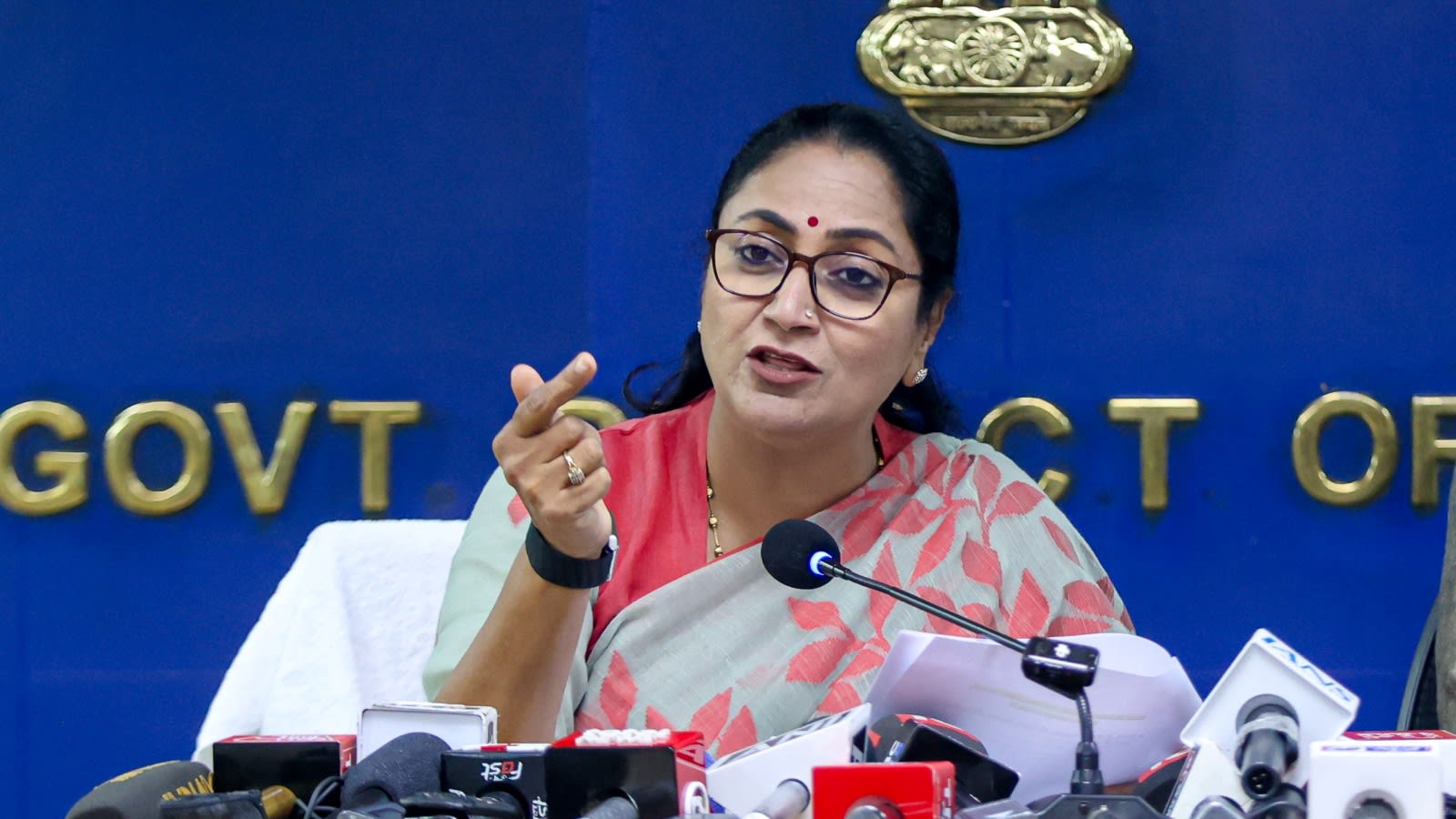
X Corp has informed the Delhi High Court that takedown notices against two digital rights groups were fraudulent, sent by an imposter rather than the Delhi Police. Separately, the court has ordered the removal of deepfake AI videos of CM Rekha Gupta posted by the AAP.
The Growing Threat of Digital Impersonation and Deepfakes
Recent developments before the Delhi High Court have highlighted the escalating vulnerability of digital discourse in India. In a significant revelation, X Corp (formerly Twitter) informed the court that takedown notices targeting digital rights organizations, specifically the Internet Freedom Foundation (IFF) and the Software Freedom Law Center (SFLC.in), were not initiated by the Delhi Police as previously claimed. Instead, an internal investigation by the platform identified that a bad actor had impersonated a high-ranking official, the Special Commissioner of Police (Crime), to weaponize legal compliance channels against these advocacy groups.
The Weaponization of Compliance Channels
The incident involving IFF and SFLC.in illustrates a dangerous trend where bad actors exploit the automated or semi-automated systems used by social media intermediaries to handle legal takedown requests. By posing as law enforcement, the imposter successfully pressured X to flag content under the guise of violating Indian law, citing "safety/security" and "defamation." This tactic poses a direct threat to civil society, as it bypasses legitimate legal scrutiny to silence organizations that monitor digital rights and government policy.
AI-Generated Disinformation and Political Defamation
Parallel to the issue of fake legal notices, the Delhi High Court has also addressed the malicious use of Artificial Intelligence in political smear campaigns. The court recently ordered the removal of AI-generated videos featuring Delhi Chief Minister Rekha Gupta, which were posted by the Aam Aadmi Party (AAP). These videos, which depicted the Chief Minister in highly inappropriate contexts—such as a liquor vendor—were deemed by the court to be not only defamatory but a direct attack on the dignity of a woman holding constitutional office.
The Intersection of Law and Technology
The dual nature of these cases—one involving the fraudulent use of government authority and the other involving the misuse of generative AI—underscores a critical juncture for digital governance in India. The court's intervention serves as a necessary check against the unchecked dissemination of deepfakes and the abuse of reporting mechanisms. As political actors and anonymous entities increasingly rely on technological manipulation, the burden on platforms like X and Meta to verify the legitimacy of legal requests and the authenticity of content has never been greater.
Broader Implications for Digital Rights
These events signal a shift toward a more hostile digital environment where the authenticity of information is constantly compromised. The fact that an imposter could effectively trigger a takedown process targeting prominent rights organizations raises systemic questions about the diligence of intermediary platforms. Furthermore, the use of deepfakes to target constitutional figures illustrates how AI is being integrated into the arsenal of political warfare, potentially undermining the integrity of public discourse and the safety of individuals in the public eye.
A Path Toward Increased Accountability
Moving forward, it is likely that the judiciary will demand stricter identity verification protocols for entities submitting legal takedown requests. Additionally, the legal precedent set by the Delhi High Court regarding the takedown of AI-generated defamatory content will likely force political entities to exercise greater caution. Protecting the digital space from both fraudulent "legal" interference and malicious synthetic media will require a combination of robust platform policies, judicial oversight, and perhaps new legislative frameworks to address the rapid evolution of digital threats.