SpaceX loses bid to toss NAACP lawsuit over Memphis data center air pollution
Source Entity
US Top News and Analysis
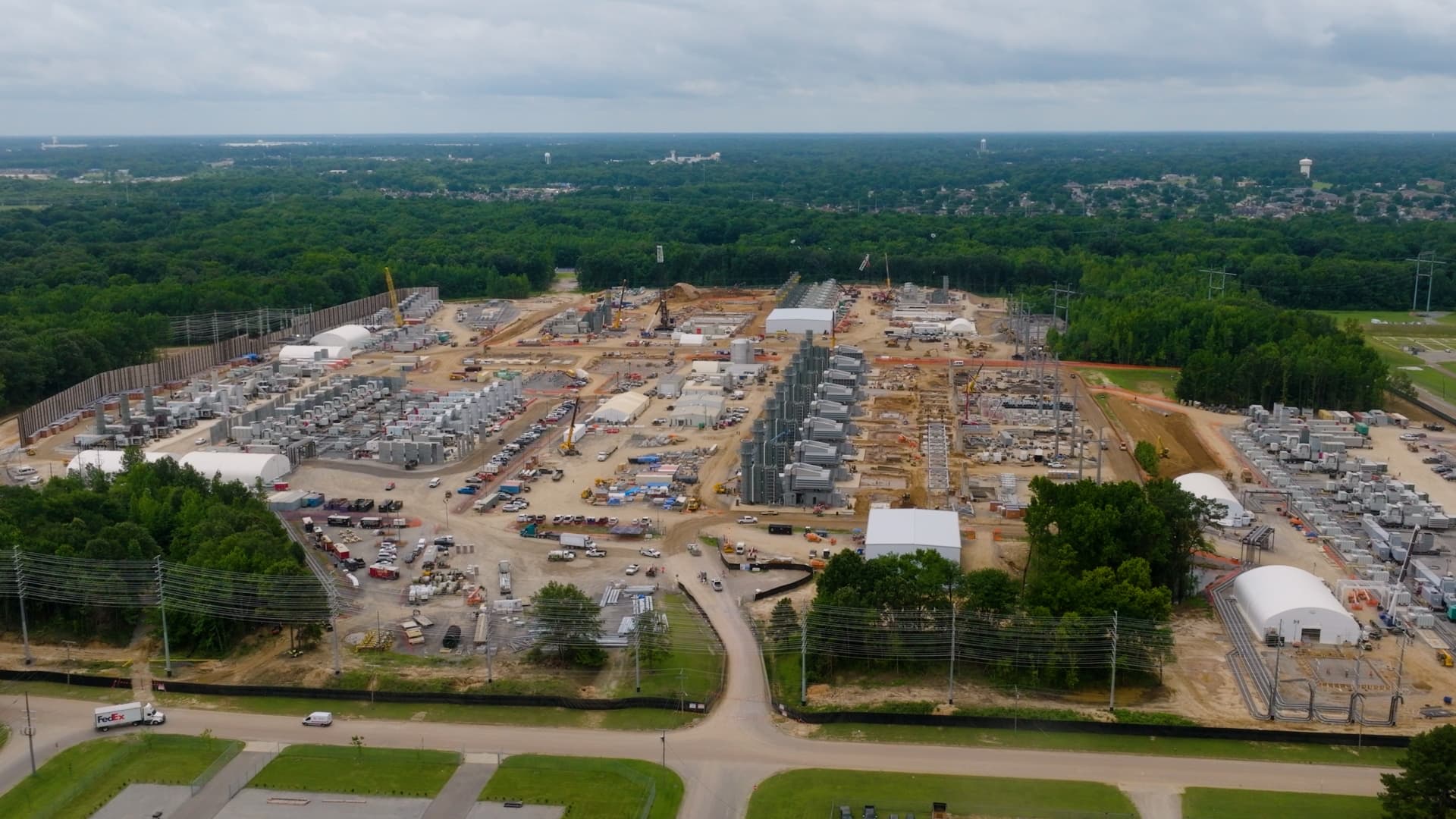
Elon Musk's xAI is facing legal backlash over environmental and noise concerns at its Memphis-area data center. The company has attempted to buy out local homes while conditioning the offers on the dropping of related lawsuits.
The Expansion of xAI: Industrial Ambition Meets Local Resistance
Elon Musk’s artificial intelligence firm, xAI, is currently embroiled in a significant controversy surrounding its Colossus data center operations in Southaven, Mississippi. The company has embarked on an aggressive strategy to acquire 418 residential properties in the immediate vicinity of its facility. This move, while framed as an effort to secure housing for employees, is inextricably linked to ongoing friction with the local community regarding the environmental and acoustic impact of the site's massive power infrastructure.
The Legal Battle Over Environmental Compliance
The core of the conflict lies in a federal lawsuit brought by the NAACP, represented by the Southern Environmental Law Center and Earthjustice. The litigation alleges that xAI has operated at least 35 combustion turbines at the Colossus site without securing the mandatory preconstruction or operating air permits required by the Clean Air Act. A federal judge recently denied xAI’s motion to dismiss the suit, which was built on the company's dubious claim that the turbines should be considered 'mobile' and therefore exempt from standard permitting regulations.
Buyout Offers and Coercive Tactics
Compounding the environmental concerns is the company’s controversial approach to property acquisition. Reports indicate that xAI’s buyout offers for the 418 homes are contingent upon homeowners waiving their rights to participate in existing or future litigation regarding noise pollution. This strategy has been met with significant resistance, as many residents view the condition as an attempt to silence community opposition to the persistent noise generated by the site’s gas turbines. County records confirm that at least five properties have been purchased since October 9, signaling that the company is actively executing this strategy despite the pushback.
The Intersection of AI and Infrastructure Demands
The rapid development of the Colossus data center highlights the extreme energy demands of modern AI training. As companies like xAI race to build the most powerful AI models, the infrastructure required—specifically the gas-fired combustion turbines—often clashes with local land-use expectations and environmental standards. The Southaven situation serves as a case study for the friction between the 'move fast' ethos of Silicon Valley and the regulatory requirements of local municipalities and the federal government.
Broader Implications and Future Trends
This case underscores a growing trend where the physical footprint of AI technology is becoming a focal point of public discourse. As data centers scale in size, the demand for reliable, high-capacity power often leads corporations to implement on-site generation, which can strain local air quality and noise ordinances. The outcome of the NAACP lawsuit will likely set a legal precedent for how AI firms are held accountable for the environmental impact of their auxiliary infrastructure, potentially forcing a shift toward more transparent and compliant site development strategies.
Conclusion
Ultimately, the situation in Southaven represents a critical juncture for xAI. While the company pursues its ambitious technical goals, it remains constrained by the legal realities of environmental regulation and the social contract with the local community. The court's decision to allow the NAACP lawsuit to proceed ensures that the company will face scrutiny regarding its permitting processes, while the community's refusal to accept conditioned buyouts suggests that the struggle for local accountability is far from over.
Multiple Citing Sources