'Would wake up at noon, hit gym by 5': Yogi's 'babua' dig at Akhilesh's UP CM tenure
Source Entity
TOI NEWS DESK
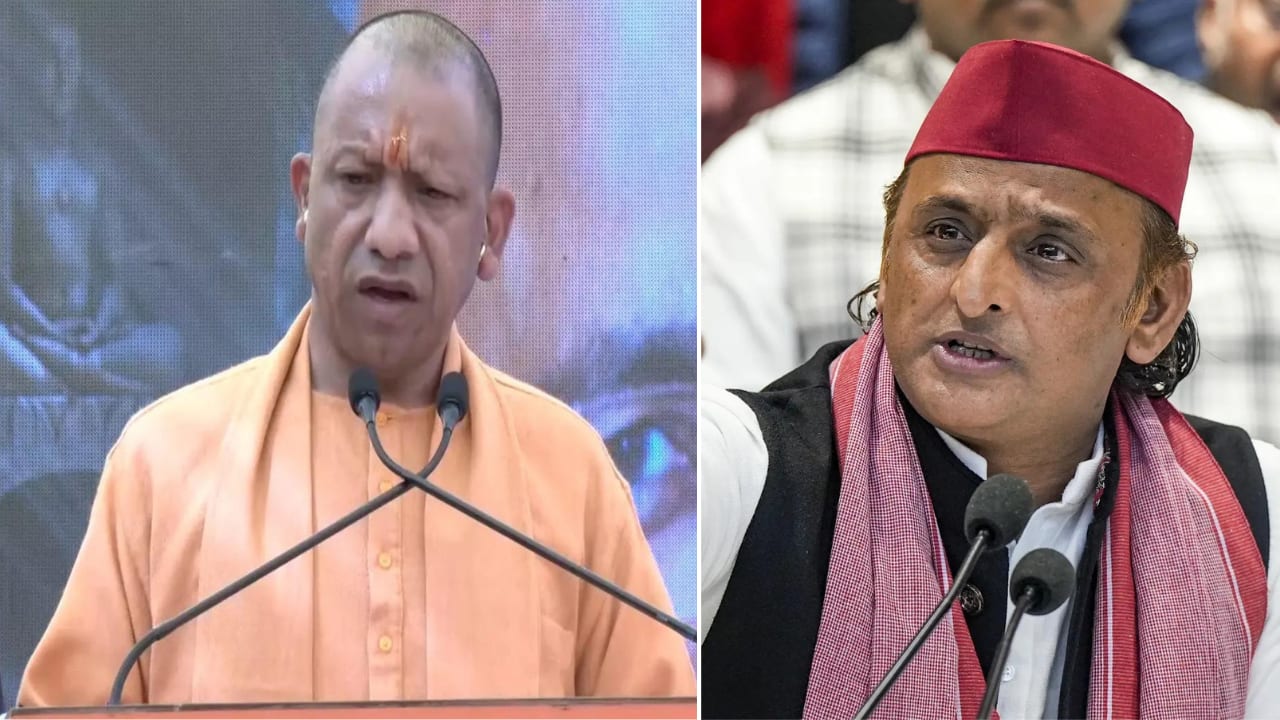
Uttar Pradesh CM Yogi Adityanath has criticized former CM Akhilesh Yadav's governance style, alleging a lack of public engagement and poor administration. The critique emphasizes a sharp contrast between the current BJP government's welfare-focused agenda and the previous leadership's perceived failures.
The Clash of Governance Philosophies in Uttar Pradesh
In a recent sharp political exchange, Uttar Pradesh Chief Minister Yogi Adityanath launched a pointed attack against his predecessor, Akhilesh Yadav, characterizing the former Chief Minister's tenure as one defined by personal leisure rather than public service. By stating that Yadav would 'wake up at noon' and prioritize personal routines like gym sessions, Adityanath sought to frame the opposition leader as disconnected from the daily struggles and needs of the common citizen. This rhetoric serves as a foundational element of the current administration's narrative, contrasting its own perceived work ethic with the perceived apathy of the previous regime.
Accusations of Administrative Negligence
The Chief Minister’s critique extends beyond mere personal habits, touching upon deep-seated concerns regarding administrative efficiency. Adityanath alleged that during the Samajwadi Party's tenure, there was a fundamental lack of a development vision for Uttar Pradesh. This accusation is designed to undermine the credibility of the opposition by suggesting that their leadership was characterized by a lack of urgency and foresight. By highlighting these perceived shortcomings, the ruling party aims to reinforce the idea that the state's progress was effectively stalled prior to their arrival in power.
The BJP's Narrative of Transformation
Central to this discourse is the promotion of the current government's welfare schemes and infrastructure projects. Adityanath utilized this comparison to argue that the BJP has successfully pivoted the state toward a path of rapid development and improved service delivery. By positioning the current administration as the architect of a new, proactive Uttar Pradesh, the Chief Minister seeks to solidify public support and justify the continuation of his policies as the only viable alternative to the previous status quo.
Law, Order, and Agricultural Policy
Beyond development, the confrontation touched upon critical pillars of governance: law and order and agricultural welfare. Adityanath accused the opposition of compromising the state's security framework and betraying the interests of farmers. By framing the previous administration’s policies as a betrayal, the Chief Minister is attempting to mobilize rural voters and those concerned with public safety, suggesting that the current government is the sole guarantor of stability and agricultural prosperity in the region.
Broader Political Implications and Future Trends
This exchange signals a hardening of the political climate in Uttar Pradesh as parties gear up for future electoral battles. The emphasis on 'public engagement' versus 'personal leisure' is a classic populist trope intended to resonate with the electorate on an emotional level. As the BJP continues to contrast its 'development-first' image with the opposition’s past, the effectiveness of this narrative will likely be tested in upcoming political cycles. The focus remains on whether the current government can maintain its momentum in infrastructure and social welfare, or if the opposition can successfully reframe these critiques as mere political posturing.