Cyclospora outbreak tied to Taco Bell will steal the spotlight from Yum Brands' earnings
Source Entity
US Top News and Analysis
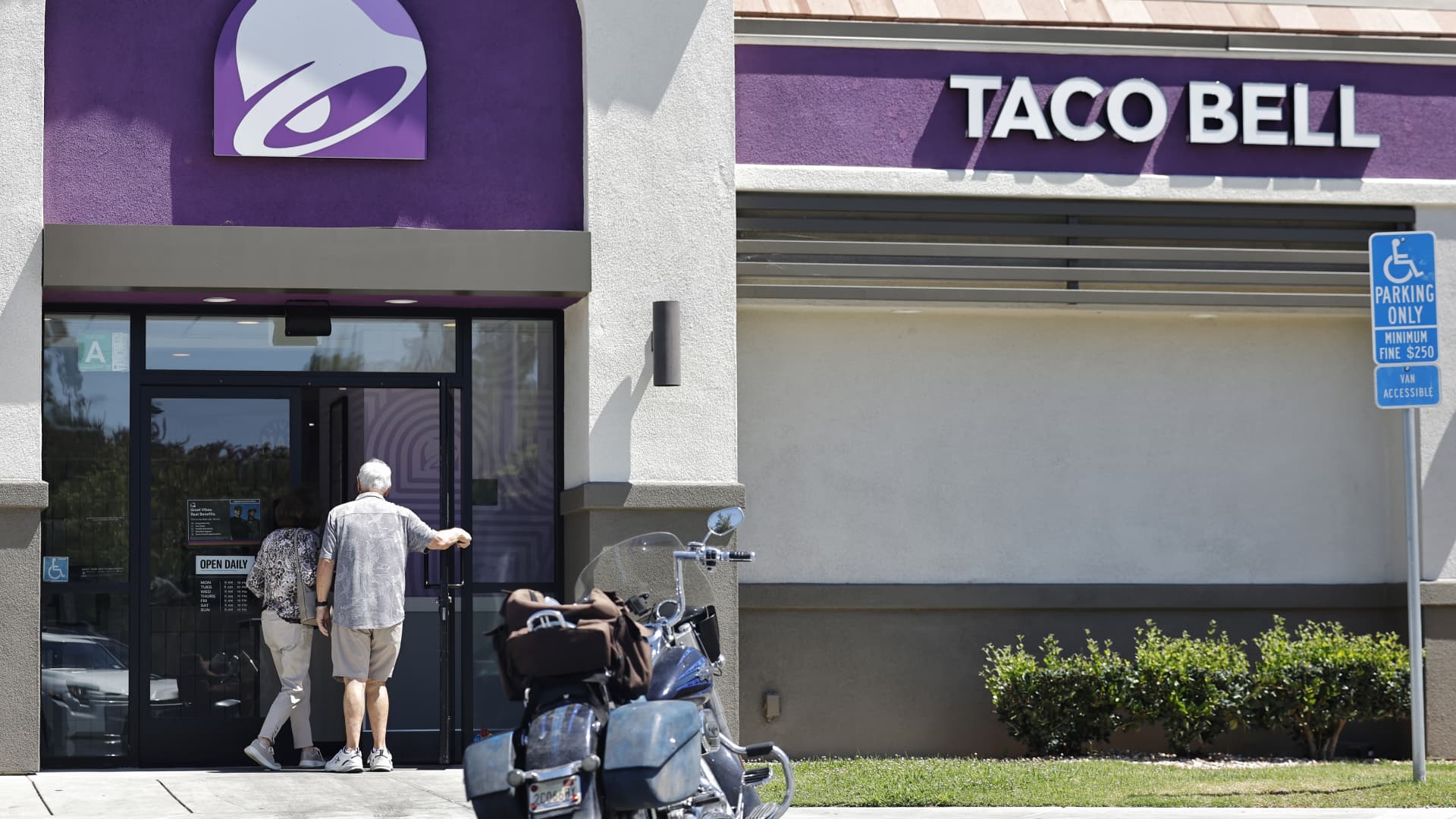
Yum Brands faces a critical earnings report as a widespread Cyclospora outbreak linked to Taco Bell lettuce impacts foot traffic and share value. Investors are closely monitoring how the company manages the fallout from the 1,947 reported illnesses.
The Intersection of Food Safety and Market Performance
As Yum Brands prepares to release its second-quarter earnings, the corporate narrative is being dominated by a significant public health crisis. While Wall Street analysts have previously modeled robust growth for the parent company, the emergence of a Cyclospora outbreak directly linked to Taco Bell has introduced a volatile variable. Investors are no longer merely looking at revenue margins and expansion metrics; they are scrutinizing the company's crisis management strategy and the potential long-term damage to the brand's reputation.
Quantifying the Impact: Data and Market Sentiment
The financial repercussions have been swift and measurable. According to recent data from Placer.ai, the association between the fast-food chain and the parasitic outbreak has caused daily customer traffic to plummet by double digits. This decline in patronage, combined with the broader market reaction, has resulted in a 5% drop in Yum Brands' share price, effectively eroding the company’s market valuation to approximately $42 billion. These figures underscore the extreme sensitivity of the fast-food sector to food safety failures.
The Public Health Dimension
The human cost of this event remains the primary driver of the controversy. Data from the Centers for Disease Control and Prevention (CDC) confirms that at least 1,947 individuals have been infected with cyclosporiasis, a parasitic illness that has necessitated 98 hospitalizations. While the absence of fatalities is a critical mitigating factor, the sheer scale of the outbreak—traced back by federal health agencies to contaminated iceberg lettuce—has triggered a comprehensive regulatory and investigative response.
Supply Chain Vulnerabilities and Regulatory Scrutiny
This crisis highlights the inherent vulnerabilities within the global fast-food supply chain. The reliance on centralized sourcing for fresh produce like iceberg lettuce means that a single point of contamination can ripple across thousands of individual locations. As the Food and Drug Administration (FDA) continues its investigation, Yum Brands faces mounting pressure to demonstrate that its supply chain protocols are robust enough to prevent future recurrences. The ability to guarantee food safety is now being treated by the market as a core competency rather than an operational baseline.
Future Trends and Investor Outlook
Moving forward, the primary concern for stakeholders is whether the damage to Taco Bell’s brand equity will be transitory or structural. Historically, fast-food chains have shown resilience after foodborne illness outbreaks, provided they act with transparency and implement rigorous safety overhauls. However, in an era of heightened consumer awareness and real-time social media tracking of foot traffic data, the recovery period may be extended. The upcoming earnings call will serve as a litmus test for how Yum Brands plans to stabilize its operations and regain consumer trust in the face of these significant headwinds.