Zelensky sacks Ukraine's top army commander after days of protests
Source Entity
BBC News
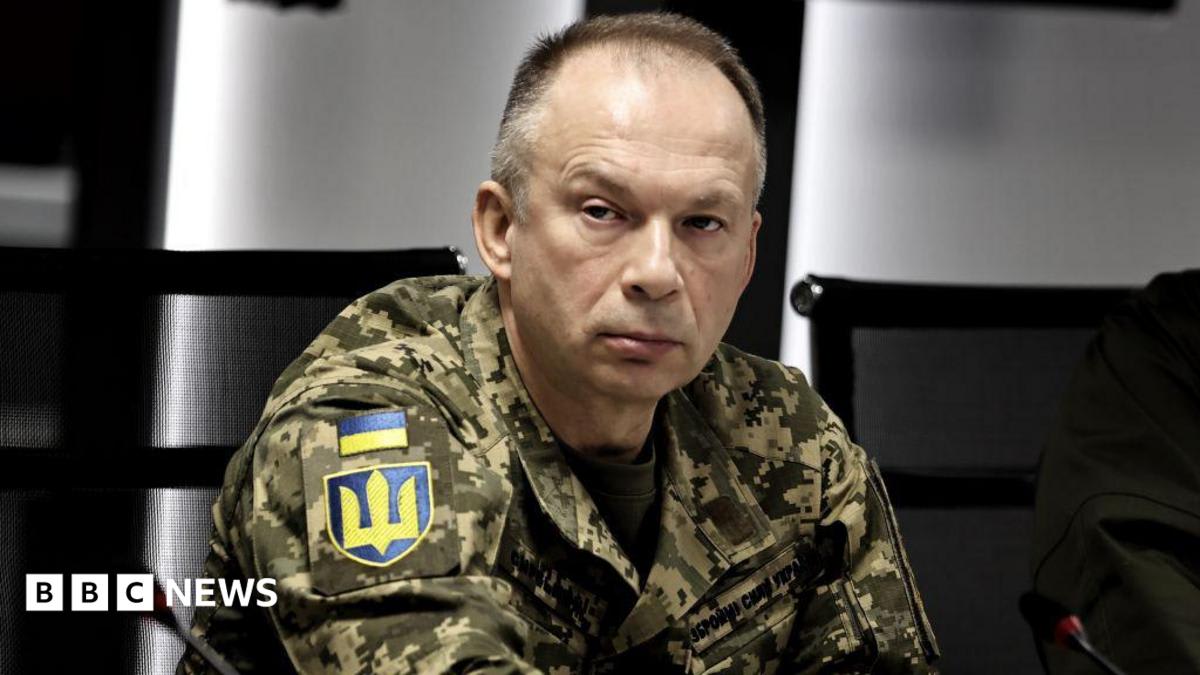
President Zelensky has dismissed army commander-in-chief Oleksandr Syrskyi following widespread public unrest and protests. The move comes after the controversial removal of popular Defence Minister Mykhailo Fedorov, leading to the appointment of General Mykhailo Drapatyi.
The Shift in Ukrainian Military Leadership
The recent dismissal of Ukraine's army commander-in-chief, Oleksandr Syrskyi, by President Volodymyr Zelensky marks a significant turning point in the country's internal political and military landscape. This decision follows days of mounting public pressure and organized street protests sparked by the earlier removal of Defence Minister Mykhailo Fedorov. The rapid succession of these events highlights the delicate balance between executive authority and public sentiment during wartime.
The Catalyst: The Fedorov Controversy
The core of the current crisis stems from the removal of Mykhailo Fedorov, a 35-year-old official widely credited with modernizing the armed forces and spearheading anti-corruption initiatives. His departure served as a catalyst for public discontent, as many citizens viewed his tenure as essential to the transformation of Ukraine’s defense capabilities. Reports confirmed that tensions between Fedorov and the then-commander-in-chief, Syrskyi, played a definitive role in this administrative friction.
Generational and Strategic Divides
At the heart of the conflict lies a clash of leadership styles. Oleksandr Syrskyi, 60, was frequently characterized by his critics as a representative of the 'Soviet-school' of military command, often perceived as resistant to the rapid, radical reforms favored by a younger generation of leaders. Conversely, the public outcry in support of Fedorov suggests a strong desire for a more agile, transparent, and modernized military hierarchy that aligns with the nation's democratic aspirations.
Escalating Public Pressure
The situation reached a boiling point when veterans and activists, such as Dmytro Koziatynskyi, issued clear ultimatums regarding the leadership structure. The threat of an open-ended, nationwide protest forced the hand of the administration, as Zelensky sought to navigate the political fallout of his previous personnel decisions. The government's need to maintain unity amid ongoing external threats necessitated a swift resolution to the internal crisis.
The Appointment of Mykhailo Drapatyi
To stabilize the situation, Zelensky has appointed 43-year-old General Mykhailo Drapatyi as the new commander-in-chief. Drapatyi is widely regarded as a battle-hardened and popular figure, representing the shift toward the military leadership style that the public has been demanding. His appointment is clearly intended to bridge the gap between the traditional military establishment and the reformist vision championed by figures like Fedorov.
Future Implications and Stability
As Ukraine moves forward, the success of this transition will be measured by its impact on both military efficiency and national morale. The resolution of this crisis, while potentially soothing the immediate public outcry, also underscores the volatility of governance during an active conflict. The government must now reconcile the need for strategic continuity with the urgent public demand for leadership that is both effective and ideologically aligned with the nation's transformation goals.