Zig's Incremental Compilation Internals
Source Entity
Hacker News
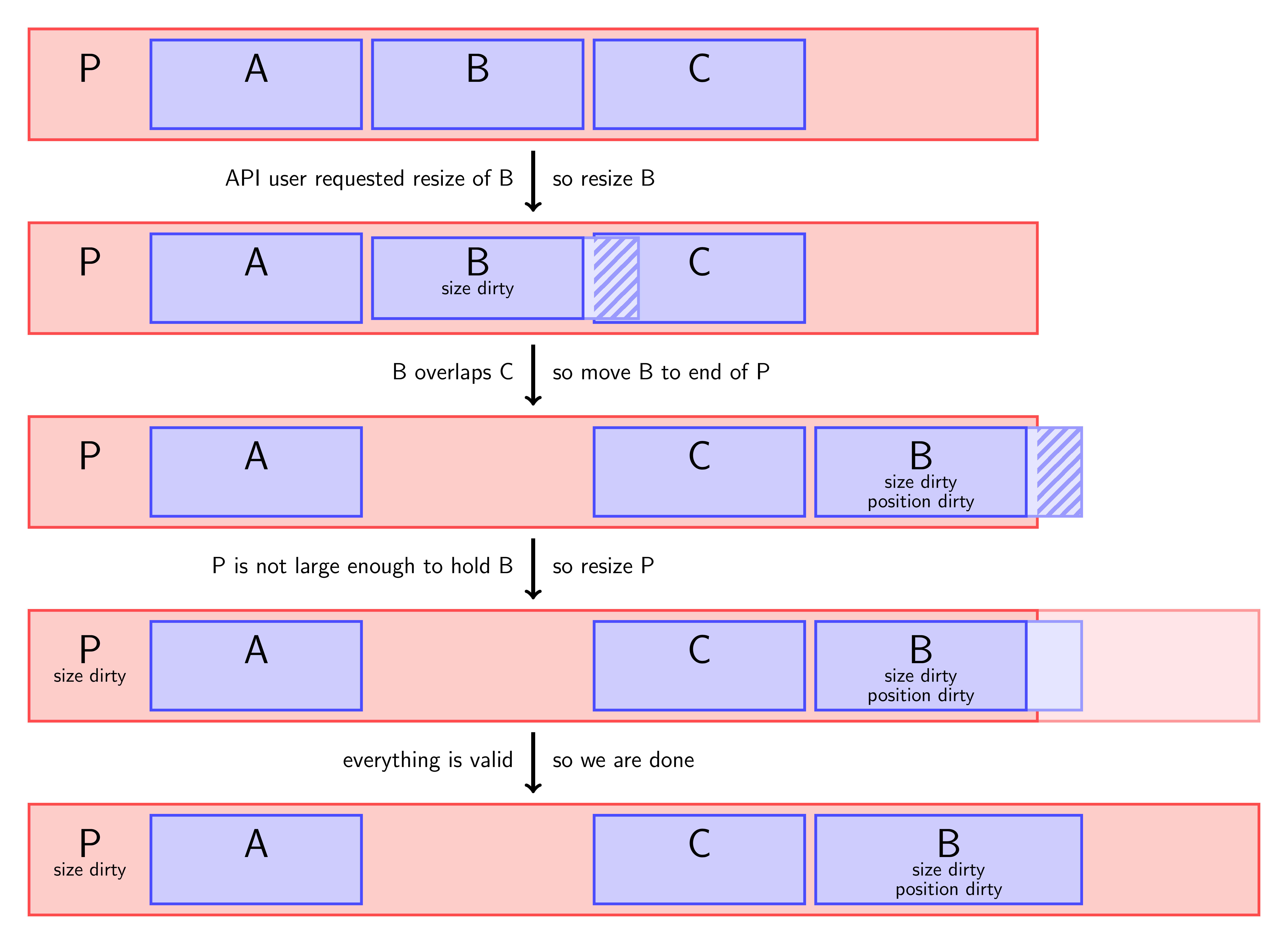
The Zig programming language has officially matured its incremental compilation feature for real-world production use. This advancement allows for rapid code updates by patching only modified functions directly into the binary.
The Evolution of Zig: Mastering Incremental Compilation
A Paradigm Shift in Compilation Speed
The recent announcement regarding the maturity of incremental compilation within the Zig compiler marks a significant milestone in systems programming. By moving from a proof-of-concept phase to a robust, production-ready feature, Zig addresses one of the most persistent bottlenecks in software development: the time-consuming rebuild process. As developers modify complex codebases, the ability to selectively recompile only changed functions rather than the entire project significantly lowers the feedback loop latency.
Technical Mechanics of In-Place Patching
At its core, Zig’s approach to incremental compilation is highly sophisticated. Instead of traditional methods that might involve complex linking stages for every minor modification, the compiler identifies specific changes in declarations and functions. It then proceeds to directly patch the resulting bytes into the existing output binary. This streamlined process minimizes the overhead typically associated with the build cycle, allowing developers to maintain focus and momentum during active development sessions.
From Prototype to Production Utility
This feature represents a long-term strategic goal for the Zig core team, who have spent multiple release cycles refining the underlying architecture. The fact that the core team now utilizes this feature for daily development on complex projects serves as a testament to its reliability and stability. Transitioning from experimental code to a daily-driver tool is a critical hurdle for any systems language, and Zig’s success here signals a growing maturity in its ecosystem.
Broader Implications for Systems Engineering
The implications of this advancement extend well beyond mere convenience. In the realm of systems programming, where performance and binary size are paramount, having a compiler that can intelligently manage incremental changes without sacrificing binary integrity is a major competitive advantage. This efficiency could potentially lower the barrier to entry for developers who prioritize performance but are deterred by the slow iteration cycles of traditional C or C++ build systems.
Future Trends and Developer Experience
As Zig continues to refine its tooling, the focus on incremental compilation sets a high standard for developer experience. By reducing the time developers spend waiting for builds, Zig is positioning itself as a modern successor to older systems languages. Future iterations will likely continue to optimize this patching mechanism, further cementing Zig's reputation as a high-performance, developer-friendly language built for the demands of modern software engineering.