Zimbabwe man lists 7 reasons why studying in India turned out to be a ‘mistake’
Source Entity
Latest News: Todays Latest News Headlines from India & World | Hindustan Times | Hindustan Times
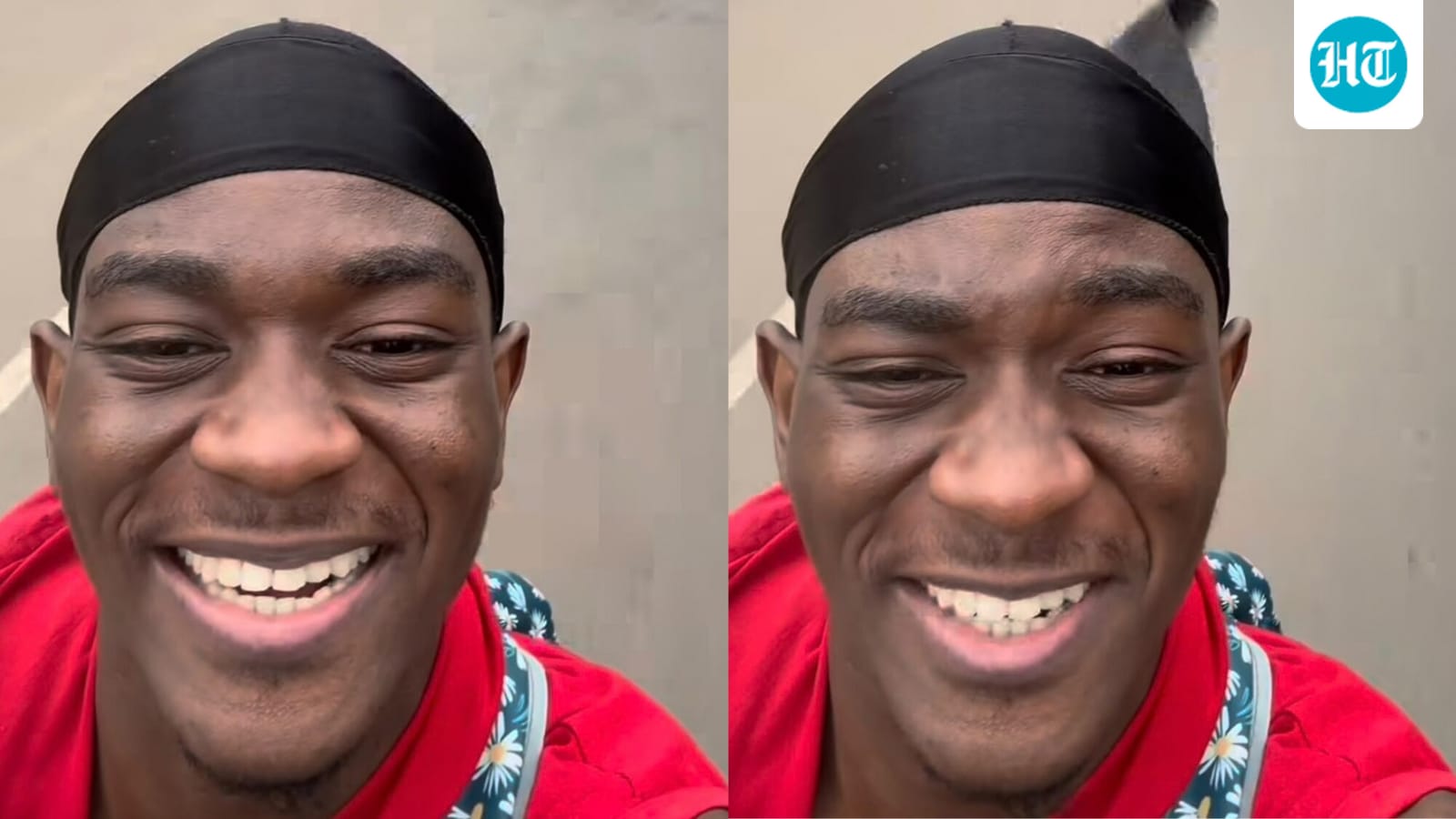
Zimbabwean student Kalumba Mwale shared a viral Instagram post describing his decision to study in India as a 'mistake' in a positive, transformative sense. He highlights how the deep cultural and personal connections he formed exceeded his original expectations of merely obtaining a degree.
A Transformative Journey: Redefining the 'Mistake'
The recent social media narrative shared by Kalumba Mwale, a Zimbabwean student currently residing in India, has struck a chord with international students and global observers alike. By framing his academic journey as a "mistake," Mwale effectively utilized a click-bait style hook to subvert expectations. Rather than detailing negative experiences, he highlights how the profound cultural immersion and personal growth he encountered in India fundamentally altered his life trajectory in ways he had not anticipated when he first arrived.
Beyond the Academic Curriculum
While the primary motivation for Mwale’s relocation was the pursuit of a formal degree, his testimony underscores the reality that international education often provides benefits that extend far beyond the classroom. For many students from the Global South, moving to a country like India offers a unique blend of academic rigor and a vibrant, albeit challenging, social environment. Mwale’s account suggests that the "mistake" was his initial narrow focus on obtaining a credential, whereas the reality became a holistic experience of community and self-discovery.
The Impact of Cross-Cultural Integration
India has long been a destination for African students seeking affordable, high-quality higher education, particularly in the fields of technology, medicine, and management. However, the experience of integration is rarely linear. Mwale’s viral post serves as a testament to the emotional bonds that develop during these formative years. By highlighting his desire to stay in the country, he challenges the traditional narrative of the "brain drain" or the temporary nature of international study, suggesting instead that such experiences can lead to long-term cross-cultural affinity.
Analyzing the Digital Narrative
In the era of social media, personal anecdotes from international students carry significant weight in shaping perceptions of host nations. Mwale’s use of a provocative headline on Instagram serves as a modern communication strategy to engage a broad audience. By humanizing the student experience, he provides a more nuanced view of India than traditional media outlets often portray, focusing on the warmth and connection he felt rather than the logistical hurdles of living abroad.
Future Trends in Student Mobility
As universities globally compete for talent, the experiences of students like Mwale serve as critical feedback for host countries. His story highlights the importance of fostering inclusive environments where international students feel connected to the local culture. Moving forward, it is likely that such positive personal accounts will play a larger role in how students select their study destinations, prioritizing the quality of the "lived experience" alongside academic rankings.
Conclusion
Ultimately, Kalumba Mwale’s story is a powerful reminder that education is a transformative process that defies simple categorization. His "mistake" was, in fact, a serendipitous discovery of a second home. By sharing his journey, he has provided a valuable perspective on the complexity of international life, proving that the most significant lessons learned during a degree program often occur outside the boundaries of the syllabus.
Verification Required?