Nepal floods: 5-year-old among three Indians rescued from Trishuli Bazaar area
Source Entity
India Latest News: Top National Headlines Today & Breaking News | The Hindu
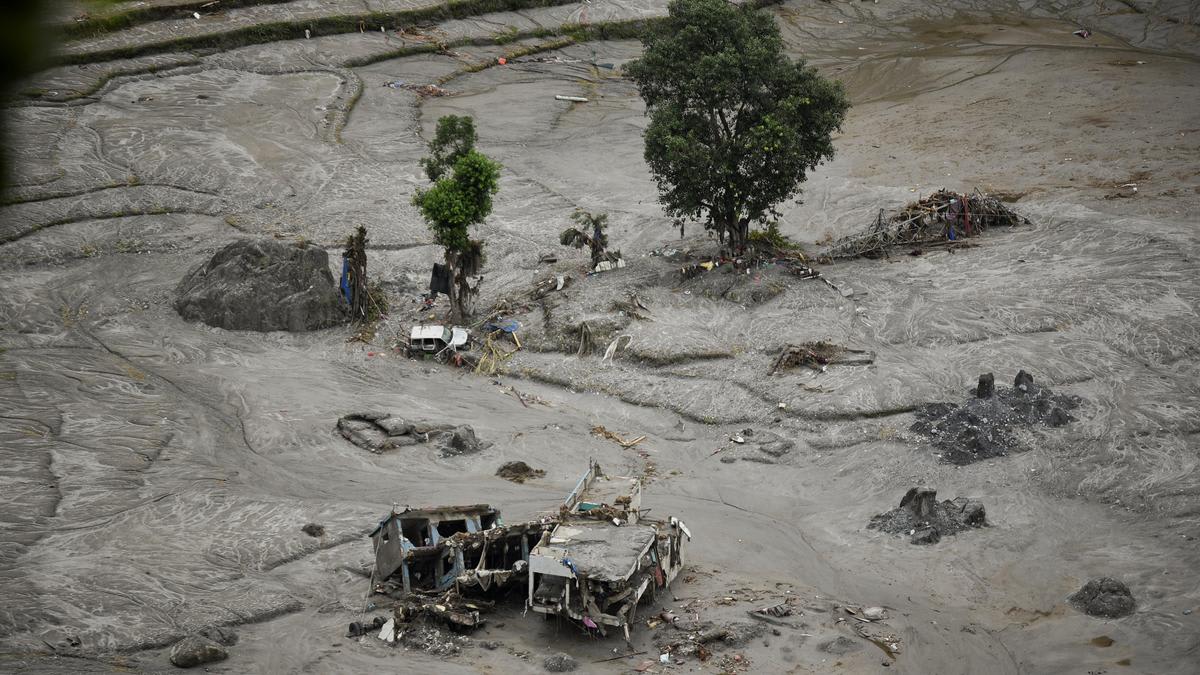
The Ministry of External Affairs confirms that 275 Indian nationals remain missing following devastating flash floods in Nepal, while 1,907 pilgrims have safely evacuated from China. Rescue operations continue as the death toll from the disaster has climbed to over 1,200.
The Nepal-Tibet Border Crisis: A Humanitarian Overview
The humanitarian crisis unfolding along the Nepal-Tibet border following the devastating flash floods on August 26, 2026, has reached a critical juncture. According to the Ministry of External Affairs (MEA), the situation remains fluid and grave, with at least 275 Indian nationals still unaccounted for. These individuals were part of the 2026 Kailash Manasarovar Yatra, a pilgrimage that highlights the deep cultural and spiritual ties between India, Nepal, and the Tibet Autonomous Region. The scale of the catastrophe, which has now claimed over 1,295 lives according to Nepalese authorities, has necessitated a massive coordinated response.
Successful Evacuation of Pilgrims
Despite the tragic circumstances, there has been a successful extraction of a significant number of Indian nationals. MEA spokesperson Randhir Jaiswal confirmed that 1,907 Indian citizens who were present in Chinese territory on August 26 have successfully crossed into Nepal. This operation effectively closes the 2026 pilgrimage season, as all Indian pilgrims have now departed the border regions. The successful transit of these 1,907 individuals serves as a testament to the diplomatic efforts between New Delhi, Kathmandu, and Beijing during a period of extreme environmental instability.
The Search and Rescue Operation
While the evacuation of the main pilgrim groups is complete, the focus has shifted to the 275 missing persons. The discrepancy between those rescued—currently reported as 166 to 169 individuals—and those missing highlights the difficulty of search operations in the rugged, flood-ravaged terrain near the Bhote Koshi River. Officials indicate that the number of missing persons may continue to fluctuate as rescue teams reach isolated pockets of the disaster-hit region, where infrastructure remains severely compromised.
Diplomatic and Material Support
India’s response to the crisis has not been limited to the extraction of its citizens. The Indian government has demonstrated its commitment to regional stability by supplying approximately 95 tonnes of relief material to Nepal. This aid is vital for the thousands of displaced residents, such as those currently being housed in temporary shelters in the Nuwakot district, where volunteers and relief workers are struggling to provide basic necessities like food and medical care.
Future Implications and Regional Stability
The 2026 flash floods serve as a stark reminder of the environmental vulnerabilities inherent in the Himalayan region. With over 12,000 people displaced and the death toll continuing to climb, the long-term impact on the border economy and pilgrimage infrastructure will be profound. The MEA’s handling of this situation, particularly the management of the 10-batch Yatra schedule, will likely lead to a re-evaluation of safety protocols for future cross-border religious tourism. As the region moves from the immediate search-and-rescue phase to long-term recovery, the cooperation between India and Nepal remains the cornerstone of the ongoing humanitarian effort.
Verification Required?