How the Lindsay Clancy trial gripped America - and ultimately fell apart
Source Entity
BBC News
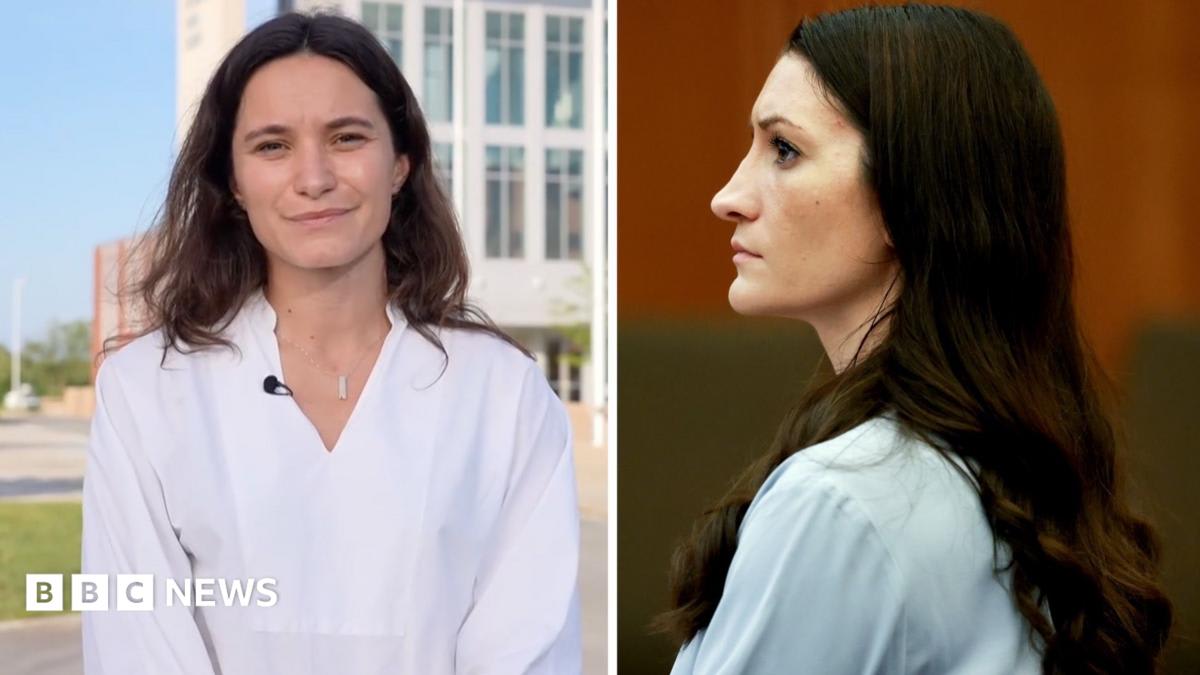
The murder trial of Lindsay Clancy has ended in a mistrial after a jury remained deadlocked following seven days of deliberations. The legal proceedings are now in limbo as prosecutors weigh whether to pursue a new trial while the defense disputes the handling of a holdout juror.
The Lindsay Clancy Trial: A Legal Impasse
The murder trial of Lindsay Clancy, a former nurse accused of killing her three children, has reached a profound legal stalemate following the declaration of a mistrial by Judge William Sullivan. After six weeks of intense court proceedings and more than 40 hours of deliberation spanning seven days, the jury of nine women and three men remained deadlocked. This outcome leaves the future of the case in deep uncertainty, as the judicial system grapples with the inability to reach a unanimous verdict in a matter of such gravity.
The Dynamics of the Deadlock
Reports indicate that the jury reached an 11-1 deadlock, a narrow margin that highlights the deep polarization regarding the defendant's mental state and criminal liability. Defense attorney Kevin Reddington suggested that the majority of the panel favored a verdict in favor of Clancy, yet the single holdout prevented a resolution. This specific configuration of the jury forced Judge Sullivan to conclude that no consensus was possible, necessitating the declaration of a mistrial to prevent further strain on the judicial process.
Tensions in the Courtroom
The emotional toll of the trial was underscored by a dramatic confrontation between Judge Sullivan and defense attorney Kevin Reddington. Following the mistrial declaration, Reddington engaged in a heated exchange with the judge, captured by his act of 'whipping off' his glasses while expressing his frustration. The defense had previously sought an emergency appeal to the Massachusetts Supreme Judicial Court, attempting to intervene regarding the holdout juror, but that request was denied, effectively clearing the path for the judge's final decision.
Prosecution and Legal Uncertainty
Plymouth County District Attorney Timothy Cruz has stated that no immediate decisions regarding the case’s future have been made. Maintaining the prosecution's stance, Cruz asserted that the evidence presented suggested Clancy was in control of her actions at the time of the homicides. As the legal team deliberates on whether to seek a retrial, the case remains in a state of limbo, leaving the community and the families involved to await further procedural developments.
Broader Implications of the Mistrial
This case highlights the complexities inherent in trials involving mental health defenses and criminal intent. When a jury cannot reach a unanimous decision, it forces the legal system to revisit the entire evidentiary process, which is both resource-intensive and emotionally taxing for all parties involved. The 'travesty' described by the defense and the prosecution's firm stance on culpability reflect the conflicting narratives that continue to define this case.
Future Outlook
Moving forward, the path for the Commonwealth of Massachusetts involves a strategic assessment of whether a second trial would yield a different outcome. Should prosecutors decide to proceed, they will need to navigate the same evidentiary landscape while accounting for the recent deadlock. For now, the legal system remains at a standstill, waiting for the District Attorney's office to finalize a strategy that will determine if Lindsay Clancy will face further criminal proceedings.
Multiple Citing Sources