India, Nepal must build a regional energy network
Source Entity
Latest News: Todays Latest News Headlines from India & World | Hindustan Times | Hindustan Times
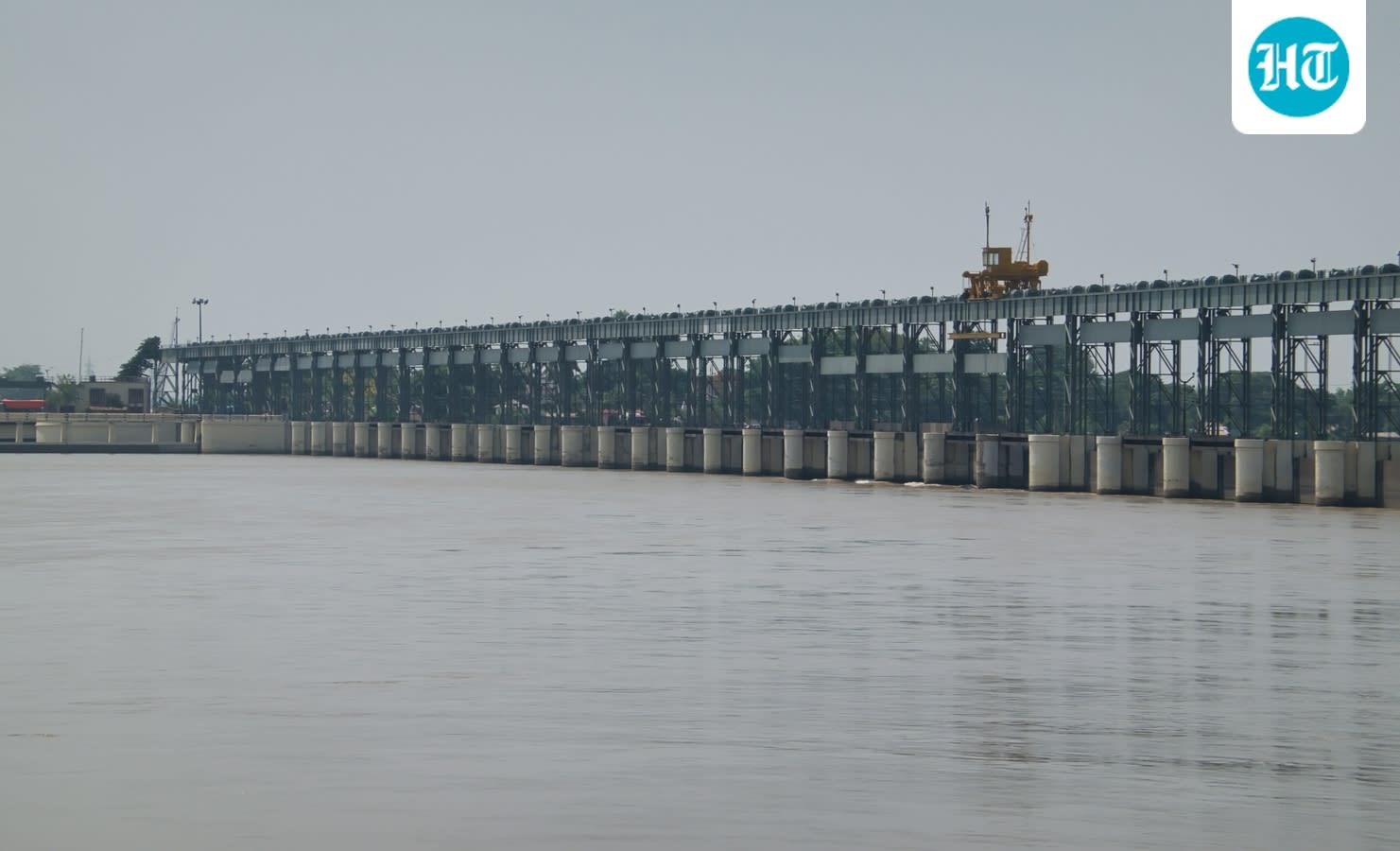
India and Nepal are exploring a regional energy network to leverage their structural interdependence for economic resilience. This initiative aims to address climate challenges and optimize hydropower and grid-sharing capabilities.
Strengthening India-Nepal Ties Through Energy Cooperation
The relationship between India and Nepal is defined by a unique confluence of geography, history, and an open border, creating a deep-rooted structural interdependence. While these ties have historically been social and cultural, a contemporary shift toward regional energy integration is now essential. By focusing on a shared energy network, both nations can move beyond passive coexistence toward a model of active economic value creation.
The Climate Crisis as a Catalyst
Recent environmental tragedies in Nepal have brought the climate crisis to the forefront of regional diplomacy. With leaders in Kathmandu calling for climate reparations from global powers, including India, China, and the US, it is evident that environmental volatility is now a primary driver of geopolitical friction. This demand, based on absolute emissions, highlights the urgent need for a collaborative approach to sustainability rather than a fragmented one.
Optimizing Energy Complementarity
At the heart of the proposed energy network lies a highly practical solution to seasonal power imbalances. Nepal possesses significant hydropower potential, which peaks during the monsoon season when water flows are at their maximum. Conversely, India’s grid can support Nepal during the drier winter months when hydraulic power generation wanes. This complementary cycle provides a natural foundation for a robust, cross-border energy exchange system.
Resilience and Economic Value
Transforming this interdependence into tangible economic resilience requires moving from ad-hoc agreements to a formalized regional grid. By creating a dependable mechanism for power trade, both nations can stabilize their respective energy sectors, reduce reliance on carbon-heavy alternatives, and foster regional stability. This shift is not merely an infrastructure project; it is a strategic maneuver to insulate the region against future climate-induced economic shocks.
Future Trends in Regional Integration
Looking ahead, the successful implementation of an India-Nepal energy network could serve as a blueprint for wider South Asian cooperation. As nations grapple with the dual pressures of economic development and climate change, energy diplomacy is likely to become the centerpiece of international relations. Prioritizing clean, shared energy resources will be the defining factor in ensuring that the Himalayas remain a source of regional prosperity rather than a theater of climate-driven conflict.
Verification Required?