People trapped inside Japan shopping centre after earthquake
Source Entity
BBC News
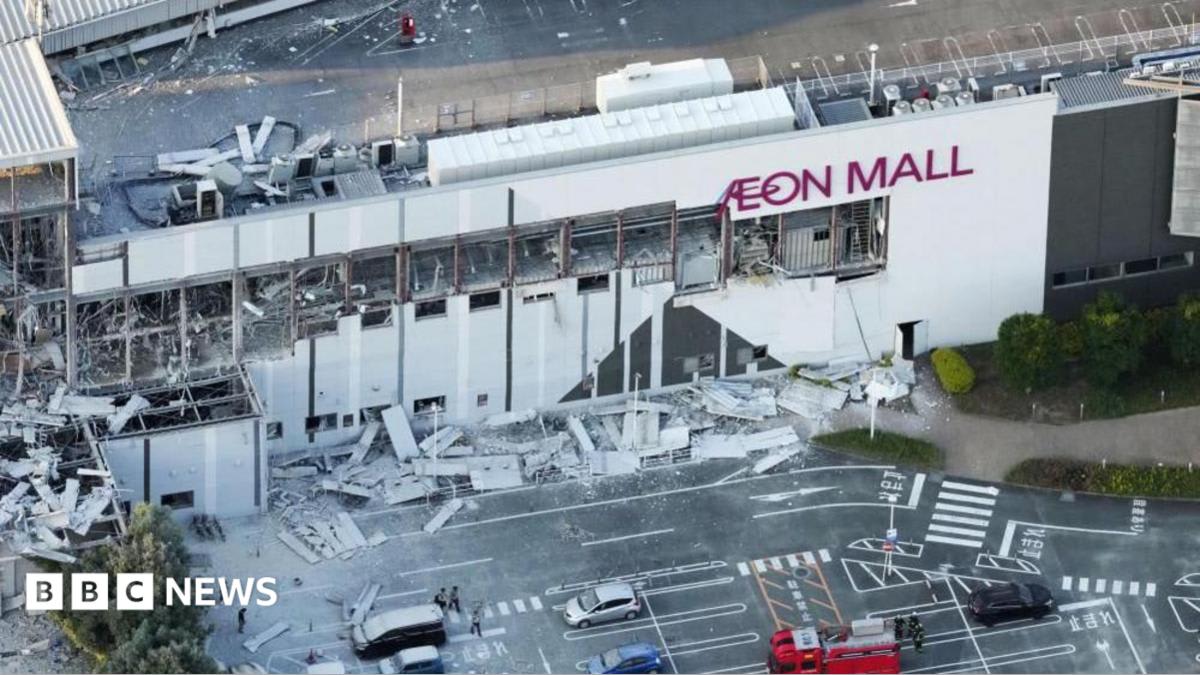
A 7.1 magnitude earthquake struck Japan's Kyushu region, triggering tsunami warnings for several prefectures. Authorities have activated emergency protocols across Kumamoto and surrounding areas as the situation continues to develop.
Seismic Activity in Kyushu: A Comprehensive Overview
On Tuesday, a powerful 7.1 magnitude earthquake struck the southern Japanese island of Kyushu, specifically centering its impact in the Kumamoto Prefecture. The Japan Meteorological Agency (JMA) recorded the tremor at a relatively shallow depth of 10 kilometers (approximately 6 miles) below the sea surface. This shallow depth is a critical factor in seismic events, as it often correlates with more intense surface shaking and a higher likelihood of displacement, which directly triggered the subsequent tsunami warnings.
Immediate Emergency Response and Tsunami Risks
In the immediate aftermath of the seismic event, the JMA issued tsunami warnings for waves reaching up to one meter (3.28 feet) along the coasts of the Ariake Sea and the Yatsushiro Sea. The Japanese government acted swiftly to activate emergency earthquake warning systems across seven prefectures: Kumamoto, Nagasaki, Kagoshima, Fukuoka, Saga, Oita, and Miyazaki. These alerts serve as a vital mechanism to provide residents with precious seconds to secure their safety before the most intense vibrations reach populated areas.
The Vulnerability of the Kyushu Region
Kyushu, as one of Japan's four main islands, sits in a complex tectonic environment. The region is frequently subjected to seismic activity due to its proximity to the Philippine Sea Plate and the Eurasian Plate. The specific location of this quake in Kumamoto is particularly concerning given the prefecture's history of seismic sensitivity. The activation of emergency protocols across such a wide swath of the island highlights the government's commitment to preemptive safety, ensuring that even distant prefectures are prepared for potential aftershocks or secondary tsunami effects.
Understanding the JMA's Role
The Japan Meteorological Agency remains the authoritative source for real-time data during such crises. By tracking magnitude and depth, the JMA provides the necessary information for local governments to determine if evacuation orders are required. The issuance of a one-meter tsunami warning is significant, as even relatively small surges can pose a severe threat to coastal infrastructure and human life, especially in regions where the seabed topography can amplify wave height.
Future Implications and Monitoring
As this is a developing situation, the primary focus for authorities will be on monitoring for aftershocks and evaluating the structural integrity of infrastructure in the affected prefectures. Historically, major quakes in this region are often followed by a series of smaller tremors, which can further jeopardize weakened structures. The combination of early warning systems, strict building codes in Japan, and rapid public communication remains the cornerstone of the nation’s disaster mitigation strategy as the region navigates the recovery and assessment phase.
Multiple Citing Sources