Blurred frontlines: Trump to meet Zelenskyy as Ukraine, Iran wars collide
Source Entity
US Top News and Analysis
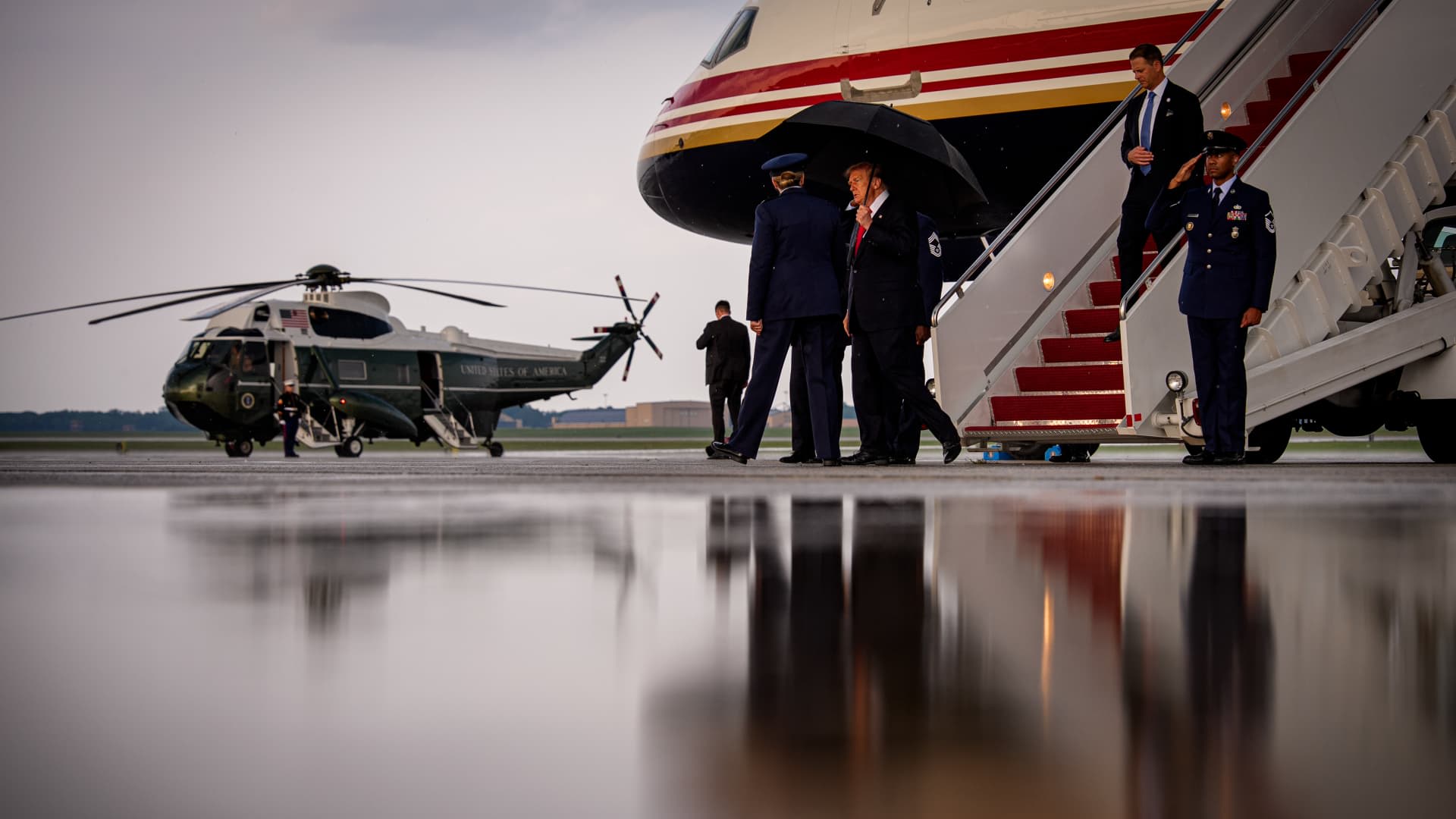
President Trump is hosting leaders Netanyahu and Zelenskyy to navigate the converging crises of the Iran and Ukraine wars. High-stakes intelligence regarding Iran’s 'Pickaxe Mountain' facility and the intersection of these two conflicts dominate the diplomatic agenda.
A Convergence of Global Crises
As the international landscape faces unprecedented volatility, U.S. President Donald Trump is set to host Israeli Prime Minister Benjamin Netanyahu and Ukrainian President Volodymyr Zelenskyy at the White House. These high-stakes meetings occur as the multi-year conflict in Gaza continues to manifest a dire humanitarian crisis, and the broader war involving Iran reaches a critical juncture. The simultaneous arrival of these leaders signals a pivot point in U.S. foreign policy, where the administration must balance escalating regional tensions with the necessity of maintaining global stability.
The 'Pickaxe' Dossier and Iranian Nuclear Tensions
A centerpiece of the discussions with Prime Minister Netanyahu involves a classified intelligence report referred to as the 'Pickaxe' dossier. This document reportedly outlines renewed nuclear activity at the alleged Pickaxe Mountain facility in Iran. For Israel, this intelligence is a vital component of its security strategy, as it seeks to pressure the U.S. to address Iran's nuclear ambitions alongside its ongoing missile and drone programs. Tehran, however, remains defiant, asserting that it will not abandon its nuclear rights or capitulate to external pressure, setting the stage for a potential diplomatic standoff.
The Intersection of Conflicts
The geopolitical gravity of these meetings is deepened by the observation that the U.S. war against Iran and Russia’s invasion of Ukraine are beginning to converge. This overlap is not merely theoretical; recent reports indicate that Kyiv has launched attacks on Iranian commercial assets, effectively linking the two theaters of war. President Trump’s recent decision to pause airstrikes against Iran, intended to provide a window for diplomatic resolution, is now being tested by these shifting frontlines and the growing complexity of international military engagement.
Strategic Challenges for the White House
President Trump faces a delicate balancing act. While he seeks to avoid further military escalation in the Middle East, the pressure from Israel to address the 'Pickaxe' developments is immense. Simultaneously, President Zelenskyy arrives seeking continued support for Ukraine, emboldened by recent deep-strike successes on Russian soil. The administration must determine whether these conflicts can be managed through separate diplomatic tracks or if a more holistic, integrated strategy is required to address the growing cooperation between the adversarial entities involved in both regions.
Future Implications and Diplomatic Hurdles
The lack of an immediate end in sight for either conflict suggests that these White House meetings will likely set the tone for the coming months of international relations. The 'Pickaxe' dossier serves as a reminder that intelligence-led diplomacy remains a high-risk, high-reward endeavor. Should the U.S. fail to find a middle ground between Iran’s refusal to negotiate and Israel’s security imperatives, the risk of further military escalation remains significantly elevated. These sessions will be critical in determining whether the U.S. can successfully de-escalate these converging threats or if the world is headed toward a period of prolonged, multi-front instability.
Multiple Citing Sources