How Chinese mafia are running a scam factory in Myanmar
Source Entity
Latest News: Todays Latest News Headlines from India & World | Hindustan Times | Hindustan Times
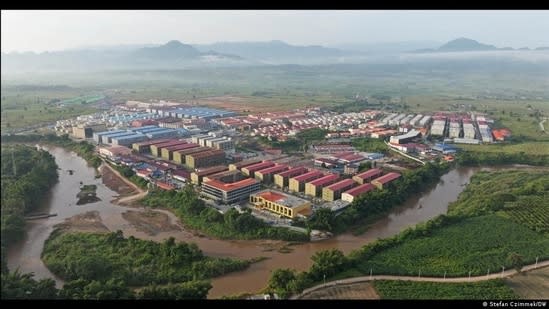
An investigative report reveals how Chinese criminal syndicates are operating brutal scam compounds in Myanmar. Victims are lured with false job promises, then subjected to forced labor, torture, and severe abuse.
The Dark Reality of Border Scam Compounds
Recent investigations by DW have shed light on the harrowing operations of Chinese mafia syndicates along the Myanmar-Thailand border. These criminal networks have established highly organized, brutal scam factories, most notably in a compound known as KK Park. The operation functions through a sophisticated web of deception, targeting vulnerable individuals globally with promises of legitimate, high-paying employment in the tech sector, only to trap them in a cycle of exploitation.
The Anatomy of the Deception
The recruitment process is designed to appear professional and legitimate, preying on those seeking economic mobility. As evidenced by the testimony of victims like 'Aaron,' a man from southern Africa, the traffickers utilize the veneer of an 'up-and-coming tech company' to lure prospects. By offering attractive salaries and benefits, these syndicates effectively mask the reality of the destination, leading unsuspecting job seekers directly into the hands of traffickers upon their arrival in transit hubs like Bangkok.
Life Inside the Compound
Once inside the KK Park compound, the illusion of employment vanishes. Victims are held against their will and forced to participate in large-scale online scam operations. The management of these facilities relies on extreme psychological and physical coercion. According to reports, those who refuse to participate in the fraudulent activities or fail to meet quotas face severe consequences, including starvation, systemic torture, and in the most extreme cases, murder.
Geopolitical and Regional Implications
The existence of these compounds highlights the significant governance gaps in the Myanmar-Thailand border region, an area currently plagued by instability. The involvement of transnational Chinese criminal groups indicates a sophisticated level of organization that transcends national borders, making law enforcement efforts incredibly complex. This regional instability provides the perfect cover for these 'scam factories' to operate with relative impunity, far from the reach of traditional judicial systems.
A Growing Human Rights Crisis
This phenomenon represents a grave human rights crisis, characterized by human trafficking and modern-day slavery. The forced labor dynamic is not merely about productivity; it is about the total subjugation of the individual. As these syndicates continue to evolve their digital tactics, the international community faces a growing challenge in tracking and dismantling these operations while simultaneously providing rescue and rehabilitation for the victims caught in their web.
Looking Toward the Future
The future of these criminal operations remains uncertain, but the trend suggests an expansion of digital fraud networks if left unchecked. Addressing the issue requires a multi-pronged approach involving international cooperation between law enforcement agencies in Southeast Asia and the countries of origin for the victims. Without coordinated intervention, these zones of lawlessness will likely continue to thrive, posing a persistent threat to global citizens and regional security.
Verification Required?