2 July 18s, 46 Years Apart, And Abdul Kalam Connections To Vikram-1 Launch
Source Entity
NDTV News Search Records Found 1000
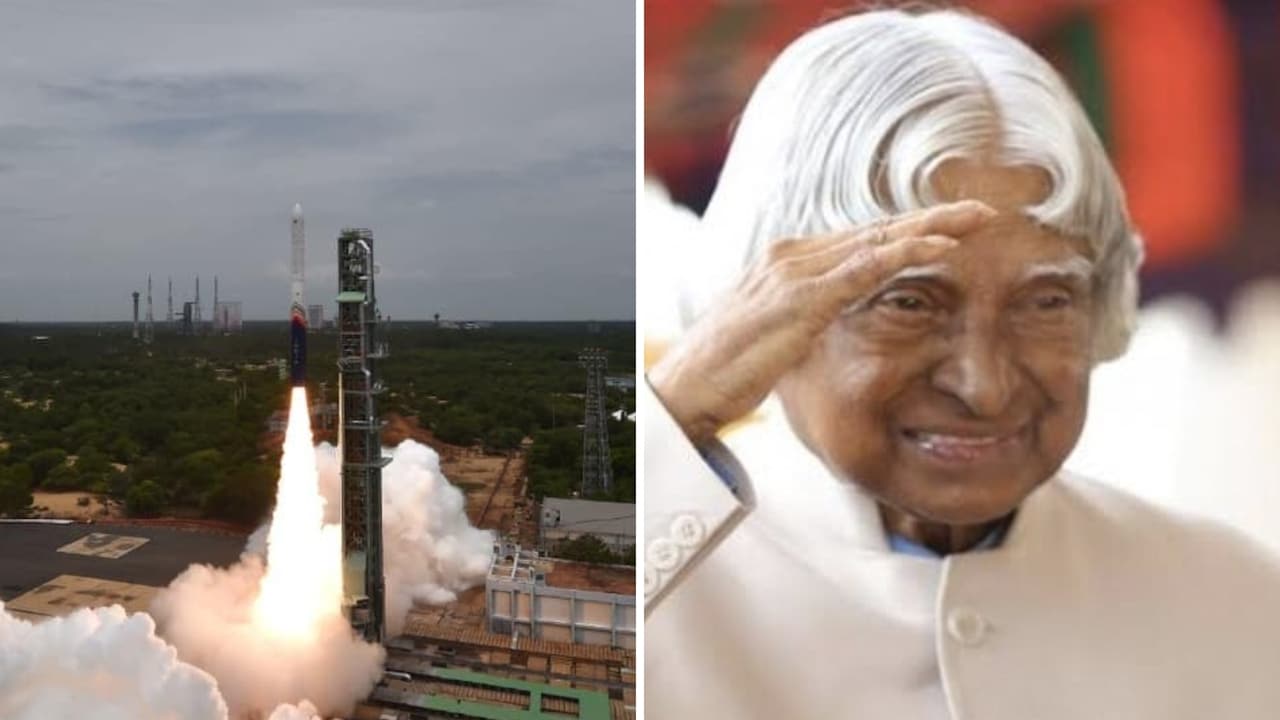
The legacy of Dr. APJ Abdul Kalam remains central to India's space program, bridging historical achievements like the SLV-3 to modern private aerospace endeavors. The date July 18 serves as a symbolic milestone connecting these generations of technological progress.
The Legacy of Dr. APJ Abdul Kalam in Indian Aerospace
The history of Indian rocketry is indelibly marked by the contributions of Dr. APJ Abdul Kalam, whose leadership as the Project Director for the Satellite Launch Vehicle (SLV-3) project laid the foundational stones for the nation's space ambitions. On July 18, 1980, India achieved a historic breakthrough when the SLV-3 successfully placed the Rohini satellite into orbit, marking India's entry into the elite club of space-faring nations capable of indigenous launch vehicle technology.
Bridging Generations: From SLV-3 to Vikram-1
The recurrence of the date July 18, separated by 46 years, serves as a poignant reminder of the continuity in India's space trajectory. While the SLV-3 project was a state-led initiative under the stewardship of Dr. Kalam, the modern aerospace landscape has evolved to include private players. The connection between the iconic SLV-3 mission and contemporary launches like Vikram-1 highlights how the foundational principles established during Dr. Kalam's era continue to influence the design and ambition of newer launch vehicles.
Historical Context and Technical Foundations
Dr. Kalam’s work on the SLV-3 was not merely a technical achievement; it was a demonstration of self-reliance. By overcoming significant resource constraints and technological barriers, the SLV-3 project created a blueprint for future generations of engineers at the Indian Space Research Organisation (ISRO). The rigorous testing and systems engineering developed during the 1980s remain the gold standard for Indian rocket development, influencing the modular and efficient designs seen in modern private sector rockets today.
The Evolution of the Indian Private Space Sector
The transition from government-exclusive space exploration to the inclusion of private entities like those developing the Vikram-1 series represents a maturation of the Indian ecosystem. Dr. Kalam, known as the 'Missile Man of India,' often advocated for the democratization of technology and the empowerment of youth. The current proliferation of private aerospace startups is a direct manifestation of the culture of innovation he fostered, proving that the roots of the SLV-3 project were deep enough to support a robust, multi-faceted industry.
Broader Implications and Future Trends
The symbolic weight of the July 18 date emphasizes that India's space program is built on long-term vision. As the nation moves toward more complex lunar and interplanetary missions, the fundamental lessons learned under Dr. Kalam's leadership regarding reliability, cost-effectiveness, and indigenous development continue to guide the sector. Future trends suggest that the synergy between historical expertise and modern private agility will keep India at the forefront of global aerospace competition.
Conclusion: A Lasting Impact
In summary, the connection between the SLV-3 project and modern launches illustrates that the spirit of Dr. APJ Abdul Kalam is woven into the very fabric of India's space advancements. Whether through public missions or private ventures, the pursuit of excellence and the commitment to national technological sovereignty remain the guiding lights for the Indian space sector, ensuring that the legacy of July 18, 1980, continues to propel the country forward.
Verification Required?