Two sentenced to life imprisonment for murder at Keralam’s Agali
Source Entity
India Latest News: Top National Headlines Today & Breaking News | The Hindu
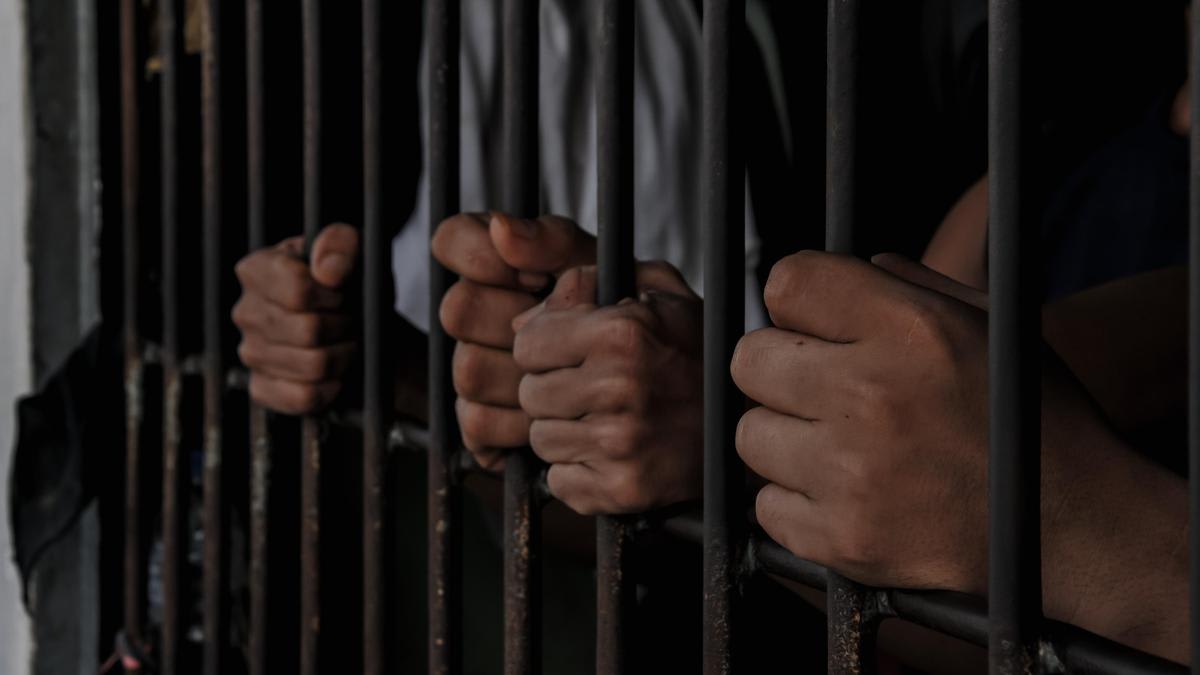
The Additional Sessions Court in Mannarkkad has sentenced two men to life imprisonment for the 2016 murder of George Thomas in Agali, Kerala. The crime was motivated by a financial dispute regarding a loan.
Justice Served: The Agali Murder Case Verdict
In a significant judicial development, the Additional Sessions Court in Mannarkkad has delivered a verdict in the long-standing 2016 murder case of George Thomas. Judge Jaya Prabhu sentenced Augusti Pappachan, aged 76, and Joseph Shiju, aged 44, to life imprisonment, marking a definitive conclusion to a legal process that has spanned eight years. This case highlights the gravity of violent disputes occurring within local communities in Attappady, Kerala.
The Incident and Prosecution Evidence
The incident, which occurred on May 24, 2016, involved a brutal attack on the victim, George Thomas. Evidence presented by Special Public Prosecutor P. Jayan, including witness statements and medical reports, established that the victim was discovered severely injured outside the residence of Augusti Pappachan. Despite efforts, Thomas succumbed to his injuries shortly after being found. The postmortem examination provided critical forensic evidence, revealing that the cause of death was multiple traumas inflicted by blunt objects, primarily concentrated on the victim's chest and torso.
Financial Disputes as a Catalyst for Violence
The prosecution successfully argued that the underlying motive for this heinous act was a financial dispute involving a loan. Specifically, friction between the victim, George Thomas, and the accused, Joseph Shiju, escalated into the fatal confrontation. This case serves as a somber reminder of how personal financial disagreements, when left unmediated, can spiral into criminal violence with devastating consequences for families and the community at large.
Judicial Sentencing and Legal Nuance
Beyond the life sentences handed down to Pappachan and Shiju, the court also imposed a penalty of ₹1 lakh on each of the convicted individuals. This financial imposition serves as an additional punitive measure reflective of the severity of the crime. Furthermore, the court demonstrated due diligence by acquitting a third accused individual, citing a lack of sufficient evidence. This distinction underscores the importance of the judicial standard of 'beyond reasonable doubt' in securing convictions within the Indian legal system.
Broader Implications and Societal Impact
The conclusion of this trial provides a measure of closure for the family of George Thomas, yet it leaves behind questions regarding conflict resolution in rural sectors of Kerala. The fact that the incident took place at the home of one of the accused suggests a pre-meditated or highly localized confrontation. As the judicial system continues to process such cases, the emphasis remains on the role of forensic evidence and witness testimony in ensuring that justice is served for victims of violent crime.
Future Trends in Legal Adjudication
The length of time between the 2016 incident and the 2024 verdict reflects the complexities often faced by the Indian judiciary in handling criminal trials. Moving forward, the integration of more efficient digital case management and expedited forensic processing could potentially reduce the duration of such trials. For now, the Mannarkkad court’s ruling stands as a testament to the persistence of the rule of law in resolving disputes that result in loss of life.
Verification Required?