CJI Surya Kant offers prayers at Guruvayur temple
Source Entity
India Latest News: Top National Headlines Today & Breaking News | The Hindu
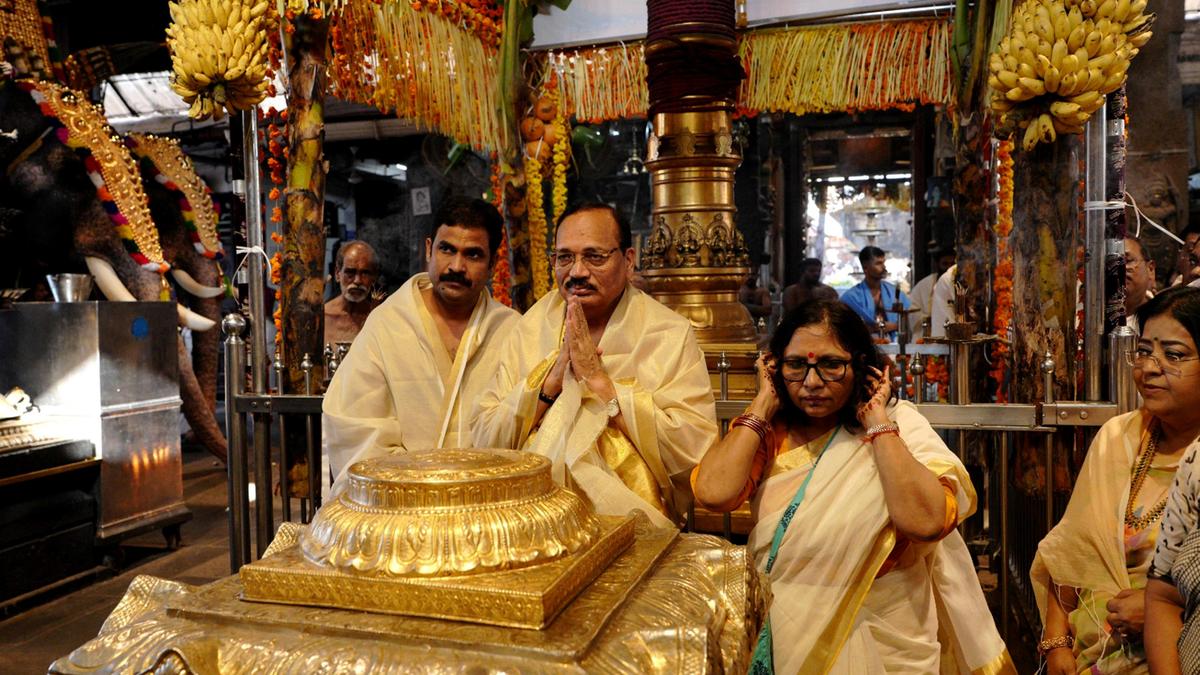
Chief Justice of India Surya Kant visited the historic Sreekrishna temple in Guruvayur on Saturday. He participated in traditional rituals, including the Seveli procession, and was honored by temple authorities.
CJI Surya Kant's Visit to Guruvayur: A Cultural and Spiritual Engagement
A Significant Visit to a Historic Shrine
Chief Justice of India (CJI) Surya Kant recently undertook a visit to the Sreekrishna temple in Guruvayur, Kerala, marking a moment of personal spiritual reflection. Arriving at the temple premises at approximately 3:45 p.m. on Saturday, the CJI sought the blessings of the presiding deity, Lord Guruvayurappan. Such visits by high-ranking constitutional functionaries to prominent religious sites in India often underscore the intersection of personal faith and the deep-rooted cultural traditions that define the nation's social fabric.
Protocol and Traditional Reception
Upon his arrival, CJI Surya Kant was received by a delegation of temple officials, including Guruvayur Devaswom chairperson A.V. Gopinath, managing committee member K.S. Balagopal, and administrator S. Harigopal. The formal reception highlights the established protocols observed when dignitaries visit major pilgrimage centers. By escorting the Chief Justice to the Nalambalam for darshan, the Devaswom officials ensured that the visit adhered to both traditional customs and administrative decorum.
Engaging with Temple Rituals
The timing of the CJI’s arrival coincided with the Seveli procession, a significant ritual in the daily routine of the Guruvayur temple. By witnessing this procession, the Chief Justice participated in the rhythmic and spiritual life of the shrine. Furthermore, his interaction with the Devaswom elephants—a vital component of Kerala's temple culture—demonstrates an appreciation for the unique practices that have been preserved within the temple's walls for centuries.
Symbolic Exchanges and Honors
During the course of his visit, the temple authorities facilitated an exchange of traditional honors. The CJI was presented with prasadam, including sandalwood paste (kalabham), a garland, and fruit offerings. Additionally, Temple Thantri P.C. Dineshan Namboothiripad presented the Chief Justice with a metal sculpture depicting Krishna playing the flute. This gesture serves as a symbolic acknowledgment of the guest's stature and a gesture of goodwill from the temple institution.
Broader Context and Conclusion
The Guruvayur temple remains one of the most revered spiritual destinations in India, attracting millions of devotees annually. For a figure of the CJI's constitutional standing to engage with these traditions reflects the enduring relevance of India's spiritual heritage in the lives of its public servants. This visit serves as a reminder of the balance between professional duties and the personal cultural commitments that remain central to the lives of many individuals, regardless of their position in the state machinery.
Verification Required?