AI debt trouble could help Fed’s Warsh get his way with fewer rate hikes
Source Entity
Joy Wiltermuth
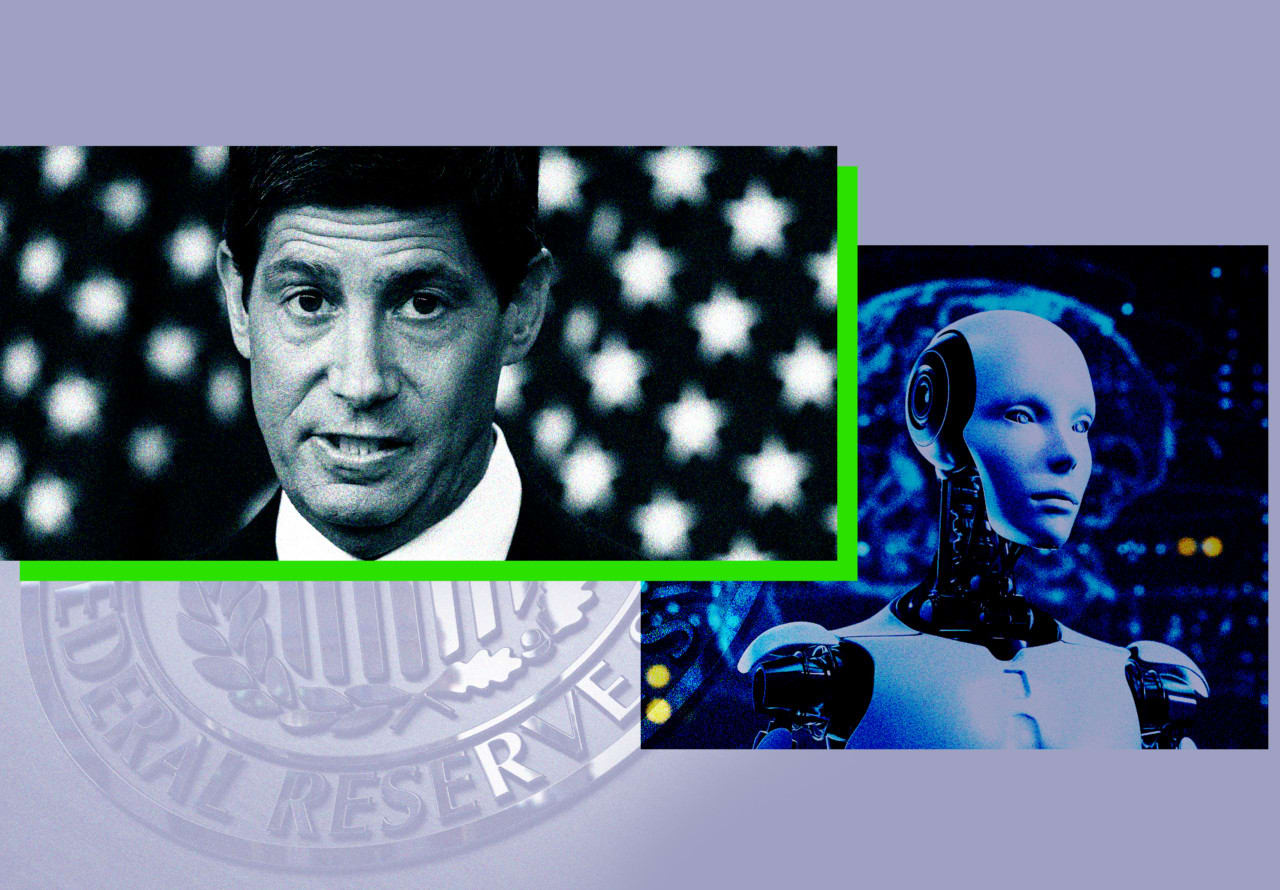
Rising costs and increased scrutiny of AI financing are cooling the sector's capital-spending boom. This shift in market dynamics may support a more cautious monetary policy, potentially reducing the need for aggressive interest rate hikes.
The Cooling AI Capital Boom and Macroeconomic Implications
For the past several years, the global economy has been defined by an unprecedented surge in capital expenditure directed toward artificial intelligence. This wave of investment, driven by the promise of transformative productivity gains, fueled a rapid expansion in infrastructure, data centers, and specialized hardware. However, recent market shifts indicate that this boom is facing a significant reality check as financing for AI ventures becomes increasingly difficult and expensive to secure.
The Shift in Financial Scrutiny
Investors and lenders are now applying far more rigorous scrutiny to the capital-spending habits of AI-focused enterprises. The initial period of 'growth at any cost' is being replaced by a focus on sustainable unit economics and clear paths to profitability. As the cost of capital rises, firms that once relied on cheap, abundant funding are finding that the threshold for project approval has shifted. This contraction in available financing is not merely a corporate hurdle; it is a fundamental correction in how the market values speculative technological expansion.
Implications for Federal Reserve Policy
The cooling of this massive capital-spending boom carries profound implications for the broader macroeconomic landscape, particularly regarding the Federal Reserve’s interest rate trajectory. Kevin Warsh, a figure increasingly associated with a cautious approach to monetary policy, may find his perspectives validated by these market conditions. If the AI investment fever effectively 'cools' the economy by slowing down massive corporate spending, the inflationary pressure typically associated with such rapid growth may subside.
Easing the Path for Fewer Rate Hikes
When capital-intensive sectors like AI face headwinds, the overall demand for credit typically moderates. If the current trend of more expensive and harder-to-obtain financing persists, it acts as a natural dampener on aggregate investment. For policymakers, this suggests that the private sector is already performing some of the 'tightening' work that would otherwise necessitate aggressive intervention through interest rate hikes. Consequently, the Federal Reserve may find more room to maintain a steady hand rather than pursuing restrictive monetary policies.
Future Trends in Tech Investment
Looking ahead, we can expect a bifurcated landscape in the technology sector. Projects that demonstrate immediate utility and operational efficiency will likely continue to attract capital, albeit at higher costs. Conversely, speculative ventures that rely on perpetual, low-cost capital infusion are likely to face consolidation or closure. This transition represents a maturation phase for the AI industry, moving from a speculative 'gold rush' to a more disciplined, fiscally conservative growth model.
Conclusion
The convergence of tighter credit conditions and the maturation of AI financing represents a pivot point for the global economy. As the capital-spending boom retreats from its peak, the resulting reduction in economic 'heat' provides the Federal Reserve with a more flexible environment. By aligning with these market realities, policymakers may avoid unnecessary rate hikes, ultimately fostering a more balanced and sustainable recovery in the technology sector and the broader financial markets.
Verification Required?