One in three AIIMS faculty posts vacant, government tells Parliament
Source Entity
Hamza Khan
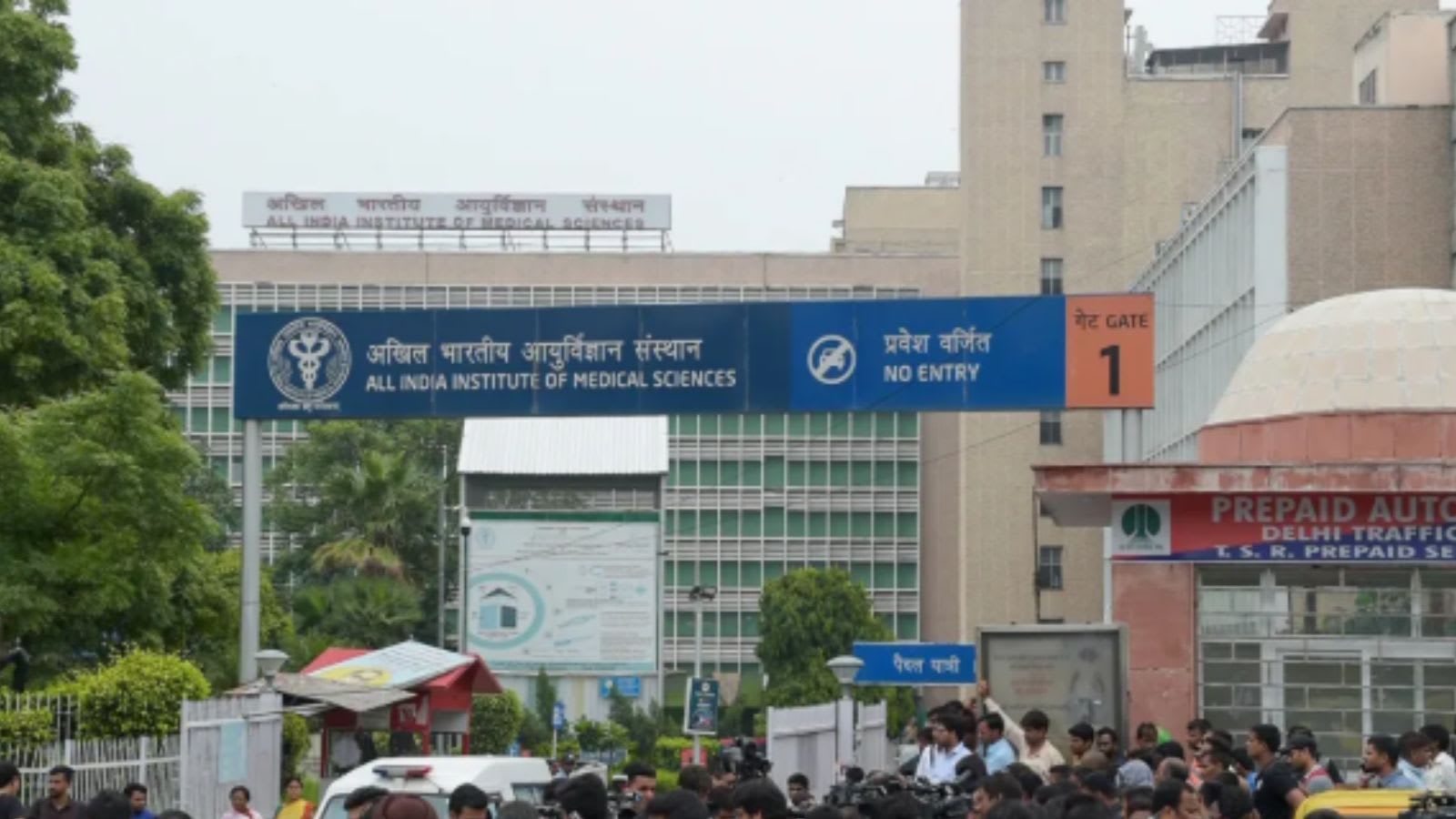
The Ministry of Health and Family Welfare reports that nearly one-third of faculty positions across India's 20 AIIMS institutions remain vacant. This significant staffing shortage, affecting both faculty and non-faculty roles, poses a critical challenge to the country's tertiary healthcare infrastructure.
The Staffing Crisis at India's Premier Medical Institutions
A Concerning Disclosure to Parliament
The Ministry of Health and Family Welfare recently provided a sobering update to the Lok Sabha regarding the state of human resources within the All India Institute of Medical Sciences (AIIMS). In response to an inquiry from MP Murari Lal Meena, Minister of State Prataprao Jadhav confirmed that nearly one-third of faculty positions across the nation's 20 AIIMS facilities are currently vacant. These figures highlight a systemic issue in maintaining the operational capacity of India's most prestigious healthcare and research network.
Analyzing the Scale of Vacancies
The data reveals that out of 6,304 sanctioned faculty posts, 2,181 remain unfilled for the 2026-27 period. The situation is equally concerning regarding non-faculty staff, where 15,159 out of 59,225 sanctioned roles—over 25 percent—are vacant. Even the flagship AIIMS in New Delhi is not immune to these pressures, with 436 out of 1,313 faculty posts currently unoccupied. This widespread deficit suggests a structural bottleneck in recruitment, retention, or the administrative pipeline responsible for onboarding medical professionals.
The Impact on Public Healthcare Delivery
AIIMS institutions are the backbone of tertiary care in India, serving as both referral centers for millions and hubs for medical education. When a third of faculty positions remain vacant, the immediate consequence is a reduction in the quality of clinical services and a strain on existing staff who must manage increased patient loads. Furthermore, these vacancies threaten the quality of clinical research and the training of the next generation of doctors, potentially slowing the advancement of medical science within the country.
Broader Implications for Medical Education
Beyond patient care, the shortage of faculty directly impacts the educational capacity of these institutions. As India continues to expand its network of AIIMS to improve healthcare access in underserved regions, the inability to fill faculty posts undermines the goal of equitable medical training. If these institutions cannot attract or retain sufficient specialized faculty, the overall standard of medical education may suffer, leading to a shortage of specialized practitioners in the long run.
Future Trends and Policy Outlook
The government's transparency in reporting these figures is a necessary first step, but it necessitates a shift in policy focus toward aggressive recruitment and administrative reform. Addressing these vacancies will require more than just financial incentives; it will demand a comprehensive look at the working conditions, career progression, and the competitive nature of medical salaries in the public sector. Without a concerted effort to fill these critical gaps, the efficacy of the AIIMS network will remain compromised, limiting the impact of India's healthcare expansion efforts.