Software glitch or human error? Key questions in Air India Delhi-Phuket flight incident
Source Entity
TNN
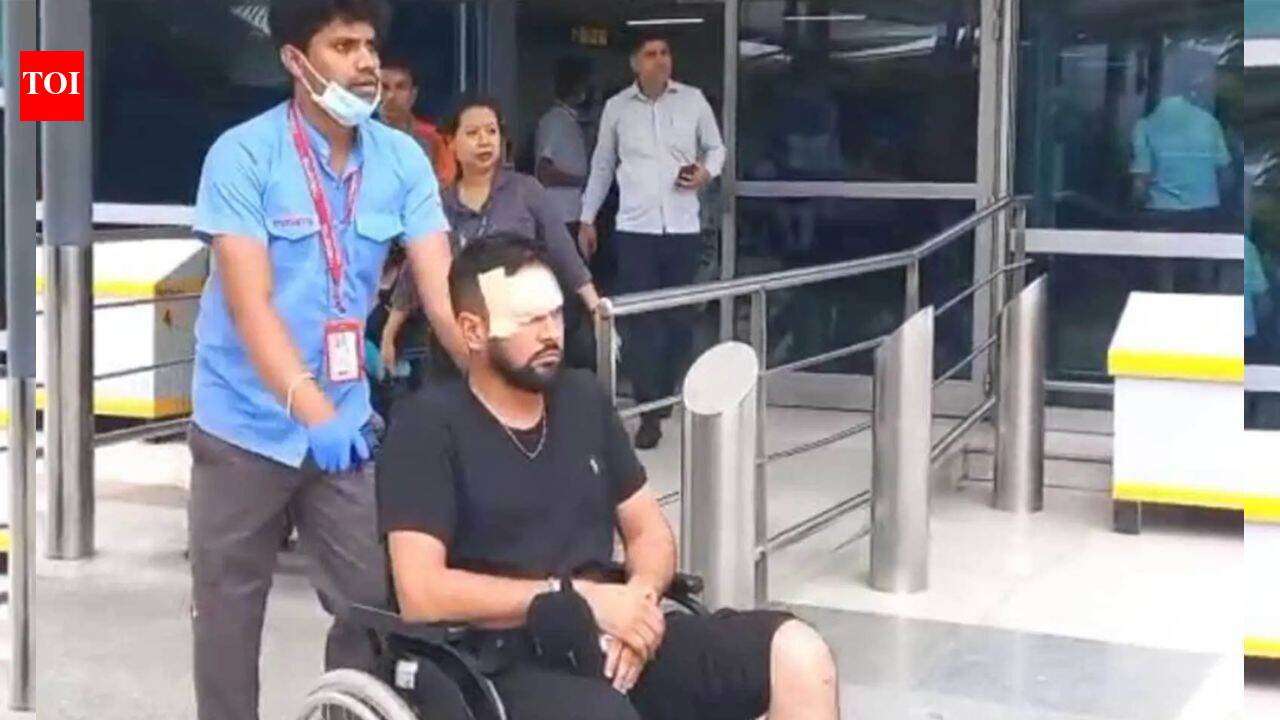
An Air India A320 flight experienced a sudden hydraulic failure and altitude drop, injuring 24 people. Investigations revealed a triple hydraulic system failure and a non-negative drug test for the pilot-in-command.
Investigation into Air India Flight VT-EXO: A Critical Safety Analysis
The aviation community is currently scrutinizing a serious incident involving an Air India Airbus A320neo (VT-EXO) that occurred on August 4 during a flight from Phuket to Delhi. While traversing the Kolkata Flight Information Region at an altitude of 36,000 feet, the aircraft experienced a sudden, catastrophic failure of all three hydraulic systems—green, blue, and yellow—within a brief five-second window. This mechanical collapse triggered an immediate disengagement of the autopilot and a stall warning, resulting in a sudden altitude loss of approximately 300 feet that left 20 passengers and four crew members injured.
The Mechanics of the Hydraulic Failure
Modern aircraft like the A320 rely heavily on redundant hydraulic systems to control flight surfaces, landing gear, and braking mechanisms. The simultaneous loss of all three systems is an extremely rare and severe event, known as a triple hydraulic failure. According to the preliminary report from the Aircraft Accident Investigation Bureau (AAIB), this failure directly compromised the aircraft's stability, leading to the erratic flight path over Odisha. The rapid loss of pressure necessitated immediate corrective action by the flight crew, who ultimately decided to continue the flight to Delhi despite the severe technical degradation and cabin damage sustained during the turbulence.
The Human Factor: Psychoactive Substance Concerns
Adding a layer of complexity to the investigation is the post-flight medical screening of the crew. While breath analyzer tests for alcohol were satisfactory, the Pilot-In-Command (PIC) returned a non-negative result for a psychoactive substance. This development has prompted the AAIB to issue a formal recommendation to the Directorate General of Civil Aviation (DGCA) to implement more stringent measures to prevent the abuse of such substances among flight crews. The pilot's sample has been sent for confirmatory laboratory testing to determine the nature and concentration of the substance.
Implications for Aviation Safety Regulations
This incident highlights a critical intersection between mechanical reliability and human performance. The fact that an eight-year-old aircraft suffered such a comprehensive failure raises questions regarding maintenance protocols and the health monitoring of aviation personnel. The AAIB’s focus on both the technical failure and the pilot’s medical status suggests that regulators are concerned about the cumulative impact of these factors on flight safety. This dual-track investigation is vital for establishing whether the pilot's condition influenced the decision-making process during the emergency.
Broader Context and Future Trends
Historically, the aviation industry has prioritized redundancy and pilot fitness as the two pillars of safety. When both pillars face scrutiny simultaneously, it inevitably leads to a re-evaluation of current standards. The DGCA is expected to utilize the findings from this incident to potentially overhaul drug testing policies for commercial pilots. Furthermore, the technical data retrieved from the Airbus A320's flight data recorder regarding the hydraulic systems will likely influence future maintenance directives for the A320neo fleet to ensure that such a rapid, triple-system failure does not recur.
Conclusion
As the investigation into the August 4 incident continues, the aviation sector remains focused on the final report from the AAIB. The case serves as a sober reminder of the fragility of high-altitude operations and the necessity for rigorous oversight. Whether the incident was primarily a result of mechanical failure, human error, or a combination of both, the regulatory response will likely set a new precedent for how Indian carriers manage pilot health and fleet maintenance moving forward.
Multiple Citing Sources