Vivek Shanbhag’s Hyphen wants to change how Indian-language literature is read
Source Entity
Paromita Chakrabarti
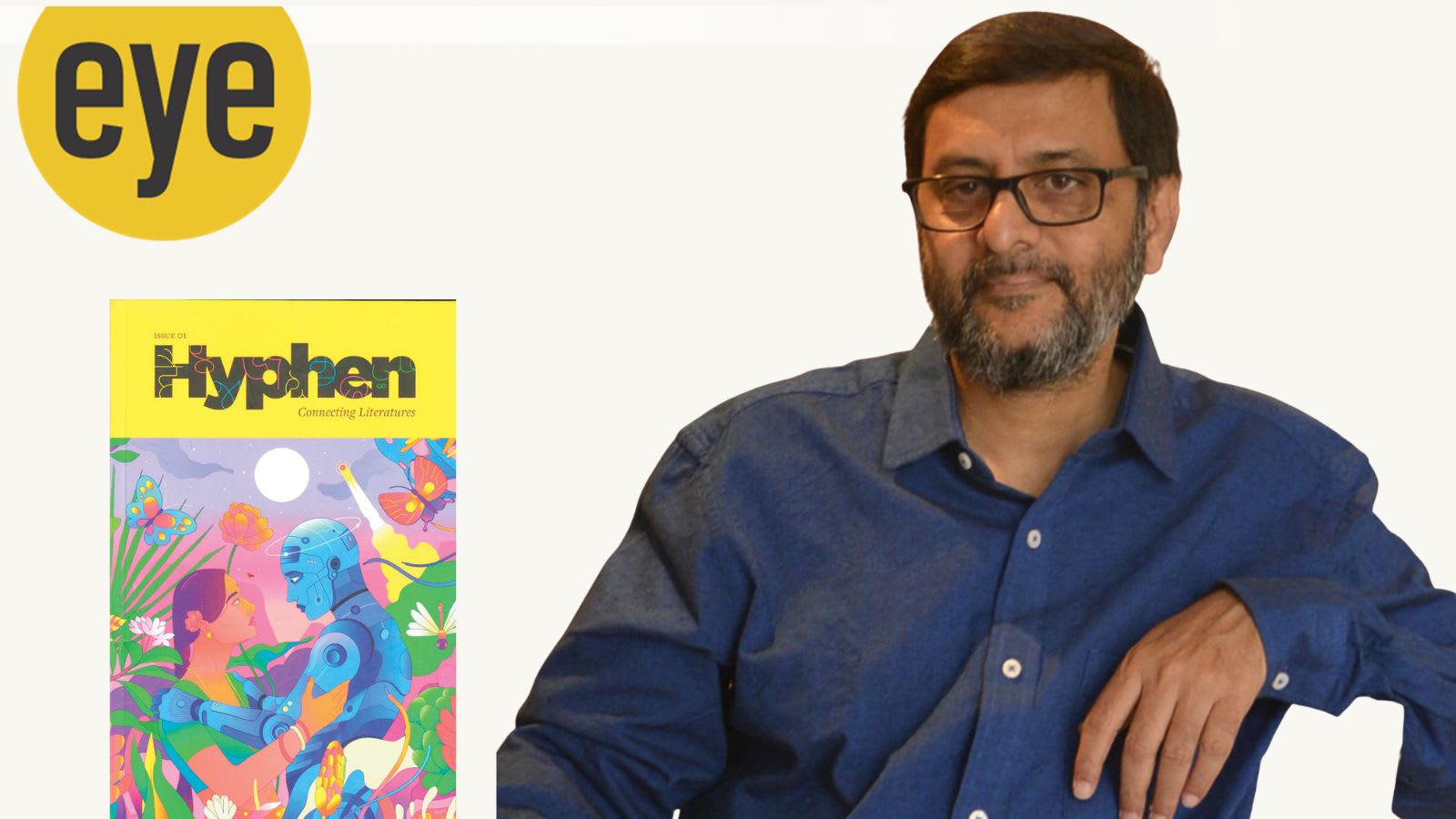
Renowned Kannada author Vivek Shanbhag is advocating for a paradigm shift in how Indian-language literature is perceived globally. By emphasizing that translations should be read as literature rather than regional artifacts, he seeks to elevate the status of indigenous Indian writing.
Redefining the Global Reception of Indian Literature
Renowned Kannada novelist and playwright Vivek Shanbhag has proposed a fundamental shift in the literary discourse surrounding Indian-language works. His core argument is that translations of Indian literature should be encountered and appreciated simply as works of literature, rather than being siloed or categorized as mere regional curiosities. Shanbhag draws a compelling parallel to the way readers universally consume Russian or Latin American classics, which are integrated into the global literary canon regardless of their translated status.
The Provenance of Authority: The Success of Ghachar Ghochar
Shanbhag’s perspective is deeply rooted in personal experience, specifically the monumental success of his 2013 Kannada novella, Ghachar Ghochar. When the work was translated into English by Srinath Perur in 2015, it transcended its linguistic origins, finding a global audience that engaged with the text purely on its narrative and stylistic merits. This success serves as the primary case study for his argument, demonstrating that high-quality Indian literature possesses an inherent universality that can be unlocked through precise translation.
Breaking the 'Regional' Label
For decades, Indian literature written in languages other than English has often been relegated to specialized niches or academic studies. By challenging this, Shanbhag is advocating for a more egalitarian approach to the global book market. He contends that the 'translation' label should not act as a barrier or a qualifier that diminishes the work's standing as world-class literature. If readers can engage with the existential depth of Russian masters or the magical realism of Latin American icons, the same intellectual courtesy should be extended to the rich, diverse linguistic tapestry of India.
Global Recognition and Literary Merit
The impact of Ghachar Ghochar provides empirical evidence that this approach works. The novella’s longlisting for the International Dublin Literary Award in 2017 and its status as a finalist for the LA Times Book Prize highlight its ability to compete on the international stage. Furthermore, the recognition of translator Srinath Perur, who received the Sahitya Akademi Translation Prize in 2020, underscores the vital role of the translator in bridging these linguistic divides. This synergy between author and translator is the cornerstone of Shanbhag’s vision for the future of Indian letters.
Future Trends and Cultural Impact
As Vivek Shanbhag continues his advocacy, the broader implications suggest a potential renaissance for Indian-language literature. By stripping away the 'regional' tag, Indian authors may find greater accessibility in bookstores and libraries worldwide. This shift could encourage more robust translation efforts and a more inclusive global reading culture, where the origin language becomes secondary to the power of the prose. Ultimately, Shanbhag’s vision aims to normalize the presence of Indian-language works in the global literary conversation, ensuring they are judged by the same standards as any other world-class writing.