Google wants to release 32 million sterile mosquitoes. Our Australian tests offer a valuable lesson | Nigel Beebe for the Conversation
Source Entity
Nigel Beebe for the Conversation
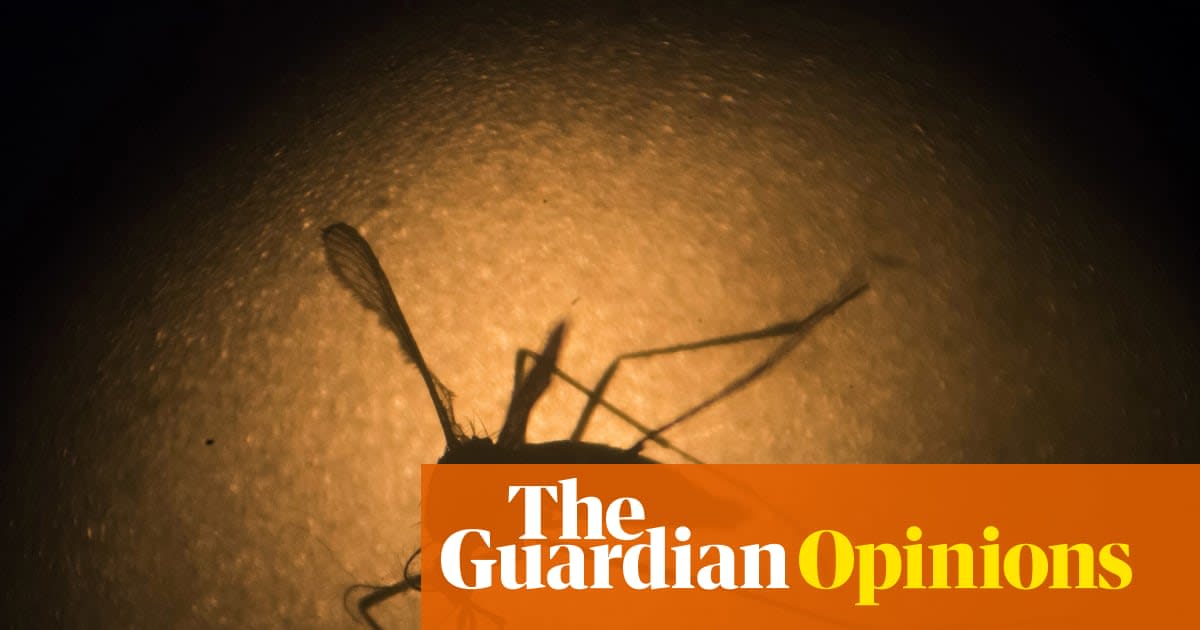
Alphabet's Verily/Debug initiative seeks federal approval to release 32 million sterile male mosquitoes in California and Florida. This biological control strategy aims to reduce disease-carrying populations by preventing egg hatching, drawing on previous research conducted in Australia.
The Future of Vector Control: Alphabet’s Sterile Mosquito Initiative
Alphabet, through its life sciences subsidiary Verily and the Debug initiative, has formally requested federal permission to release up to 32 million sterile male mosquitoes across California and Florida. This proposal represents a significant technological intervention in public health, utilizing biological control rather than traditional chemical pesticides to curb the population of disease-carrying insects. By targeting the reproductive cycle of mosquitoes, the initiative seeks to provide a sustainable, long-term solution to the persistent threat posed by mosquito-borne illnesses.
The Mechanism of Sterile Male Release
The fundamental strategy behind the Debug initiative relies on the biology of the mosquito life cycle. Male mosquitoes do not bite humans, nor do they transmit diseases. By mass-releasing sterile males into the wild, the initiative aims to overwhelm the population of fertile males. When these sterile males mate with wild, disease-carrying females, the resulting eggs fail to hatch. Over successive generations, this process can lead to a drastic reduction in the local mosquito population, effectively breaking the chain of disease transmission.
Historical Context and Lessons from Australia
This proposal is not an isolated experiment but a progression of prior scientific inquiry. More than a decade ago, research teams—including collaborations with what is now Verily—conducted novel mosquito-control trials in far north Queensland, Australia. These historical tests serve as a critical foundation for the current US proposal, offering essential data on the scalability and environmental impact of such interventions. These early lessons are vital for addressing contemporary concerns regarding the efficacy of the program when applied to larger, more complex ecosystems.
Public Concerns and Scaling Challenges
As with any large-scale environmental modification project, the public has raised valid questions regarding safety and long-term ecological outcomes. The logistical undertaking of releasing over 16 million mosquitoes annually for two years requires rigorous oversight. Stakeholders are particularly focused on whether the method will prove effective at scale and what potential, if any, the release has on local biodiversity or the broader ecosystem. These inquiries highlight the necessity for transparency and data-driven public communication as Alphabet moves toward implementation.
Broader Implications and Future Trends
If successful, the Debug initiative could usher in a new era of vector control, shifting the paradigm away from harmful chemical sprays that often have broader environmental side effects. This method represents the intersection of biotechnology and public health, setting a precedent for how private sector innovation can address systemic health crises. As climate change continues to expand the geographic range of disease-carrying mosquitoes, the development of these biological controls will likely become an increasingly essential tool in the global public health arsenal.
Conclusion
Alphabet’s proposal to release sterile mosquitoes in California and Florida is a bold application of existing biological research aimed at mitigating public health threats. By leveraging lessons from Australian field trials, the company hopes to prove that data-driven, non-chemical interventions are both safe and highly effective. As the federal review process continues, the project remains a primary case study in how technology can solve age-old environmental challenges, provided that rigorous scientific evaluation and public discourse remain central to its execution.