Amazon debuts the Alexa Photo Frame and Echo Time smart clock, plus other upgraded devices
Source Entity
Amanda Silberling
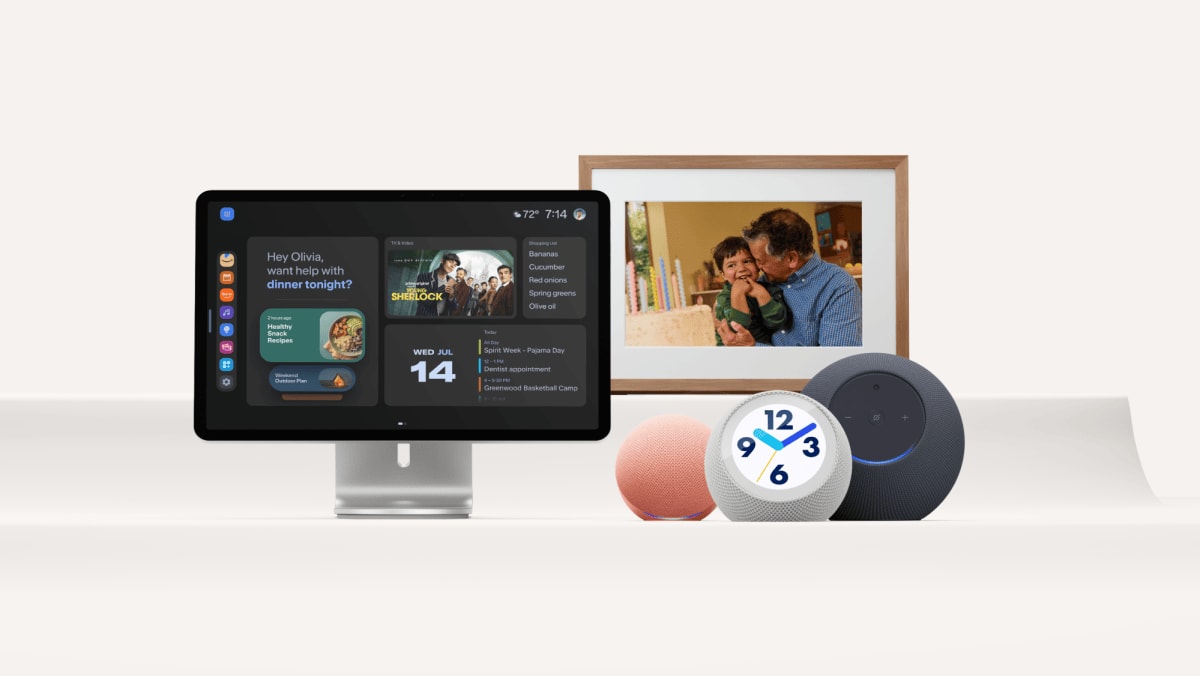
Amazon has unveiled a suite of new Echo devices, headlined by an Echo Studio featuring a built-in camera for home monitoring. The company also introduced a redesigned 3D Alexa Home Map and the high-end Echo Show 16, signaling a major push toward deeper smart home integration and spatial awareness.
Amazon’s Evolution in Smart Home Ecosystems
Amazon has officially expanded its smart home hardware portfolio with a significant series of announcements focusing on deeper integration, spatial awareness, and enhanced visual interfaces. The most notable addition is the new Echo Studio, which now incorporates a built-in camera. This evolution transforms a device previously dedicated solely to high-fidelity audio into a multi-functional security and communication hub. By enabling room monitoring, visual interaction with Alexa, and future-proofed video call capabilities for Fire TV, Amazon is positioning the Echo Studio as a central node in the modern connected home.
Advanced Audio and Environmental Adaptation
Beyond the camera integration, the new Echo Studio introduces "Advanced Room Adaptation." This feature marks a shift toward self-optimizing hardware that continuously tunes its audio output based on the unique acoustics of the user’s environment. By moving away from static audio profiles, Amazon is addressing the common consumer pain point of inconsistent sound quality in varying home layouts, ensuring that the premium audio experience remains stable regardless of room shape or furniture placement.
The Shift to 3D Spatial Mapping
Complementing the hardware updates is a comprehensive overhaul of the Alexa Home Map interface. The transition from the 2D map introduced in 2023 to an interactive 3D environment represents a strategic move to simplify device management. By integrating Ring and Blink cameras, the new interface provides a 360-degree view that extends beyond the interior of the home to include exterior activity. This spatial approach allows users to visualize their connected devices—from lights and locks to thermostats—within a digital twin of their property, mirroring the sophisticated functionality seen in competitors like Samsung’s SmartThings.
Hardware Refinement: The Echo Show 16
Amazon’s hardware strategy also emphasizes physical design improvements, as evidenced by the new Echo Show 16. With a 16-inch display housed in an anodized aluminum frame that is 40 percent thinner than its predecessor, the device prioritizes aesthetic integration into home decor. The inclusion of a "Nanomatte" display option further demonstrates a commitment to user comfort, specifically targeting the reduction of screen glare in bright living spaces.
Broader Market Implications
These updates collectively suggest that Amazon is doubling down on the "ambient computing" vision. By merging security (cameras), visualization (3D maps), and high-end media consumption (Echo Studio audio), the company is creating a cohesive ecosystem that encourages deeper user reliance on the Alexa platform. The integration of exterior monitoring via Ring cameras into the Alexa Home Map is particularly significant, as it blurs the line between a smart home controller and a comprehensive home security system.
Future Trends and Conclusion
Looking ahead, the trajectory of these announcements points toward a future where smart home devices are not just reactive controllers, but proactive, spatial-aware entities. The ability for devices to "see" and adapt to their surroundings in real-time will likely become the industry standard. Amazon’s current strategy suggests that the next phase of the smart home war will be fought on the battlefield of user interface design and environmental intelligence, where the most intuitive and visually comprehensive system wins the consumer’s trust.