Amit Shah targets Punjab government: ‘Drug web growing, those raising voices unsafe’
Source Entity
Kamaldeep Singh Brar, Divya Goyal
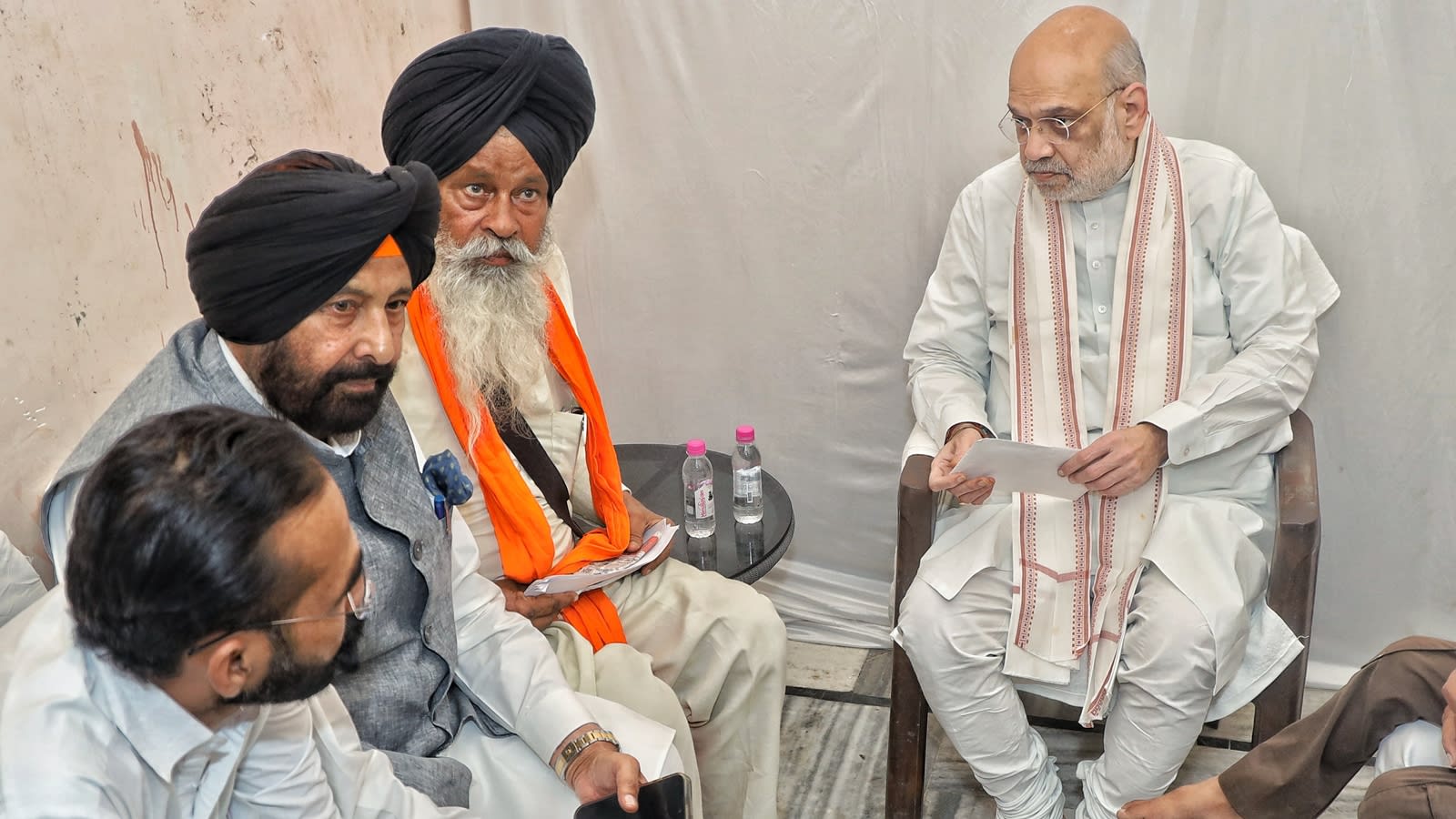
Union Home Minister Amit Shah is visiting Punjab to address the state's drug crisis and meet families of slain anti-drug activists. Ahead of the visit, the Punjab government transferred the probe into the murder of activist Parvinder Singh Jhota to the CBI.
Political Turbulence and the Drug Crisis in Punjab
Union Home Minister Amit Shah’s visit to Punjab, his third since March and second within a span of just 20 days, underscores the intensifying political focus on the state’s long-standing narcotics crisis. As Punjab approaches critical assembly elections, the issue of 'chitta' (heroin) and the proliferation of illicit pharmaceutical drugs have become central to the electoral discourse. The Home Minister's itinerary—which includes burning an effigy of 'chitta' alongside the traditional Ravana effigy during Dussehra—is a highly symbolic move intended to signal the Bharatiya Janata Party’s (BJP) commitment to eradicating the drug menace that has devastated many Punjabi families.
The Catalyst: Targeted Killings of Activists
The political heat surrounding this visit has been significantly amplified by the tragic, broad-daylight murder of anti-drug activist Parvinder Singh, known as Jhota. His killing, which occurred while he was broadcasting live on Facebook from a medical store in Mansa, has become a rallying point for opposition parties. The incident has highlighted the dangerous intersection of organized gangsterism and the narcotics trade, as Jhota was vocal about the illegal sale of habit-forming pharmaceutical drugs. His death, alongside the loss of other individuals like Gulzar Singh and Bikramjit Singh, has forced the state’s security situation to the forefront of national attention.
Strategic Government Maneuvers
In a last-minute development ahead of Amit Shah’s arrival, Punjab Chief Minister Bhagwant Mann announced the transfer of the Parvinder Singh Jhota murder investigation to the Central Bureau of Investigation (CBI). This concession, which aligns with the primary demand of the victim’s family, acts as a tactical political maneuver. By yielding to the demand for a central probe, the state government attempts to mitigate criticism from the central leadership and demonstrate a commitment to justice, particularly as the Home Minister was scheduled to meet with the grieving family in Mansa.
Clashing Political Narratives
The atmosphere remains contentious, with the Aam Aadmi Party (AAP) government and the BJP-led center trading accusations. While the BJP accuses the state government of failing to curb drug trafficking and allowing the state to descend into a 'pit of drugs,' the AAP leadership, represented by figures like minister Harpal Singh Cheema, has redirected the pressure. They argue that the Union Home Minister must answer for broader national concerns regarding gangsterism and drug trafficking rather than focusing solely on regional political optics. This blame game reflects the high stakes involved in the upcoming state assembly elections.
Broader Implications and Future Trends
The intersection of the drug crisis with targeted violence against activists suggests a hardening of organized crime networks in the region. The transition of the investigation to the CBI signals that the center is likely to increase its oversight of Punjab's law and order machinery. Moving forward, the effectiveness of this CBI probe will likely determine the trajectory of the political campaign in Punjab. If the investigation yields concrete results, it may bolster the BJP’s narrative of reform; conversely, any perceived failures could exacerbate the existing tensions between the state and central governments, potentially influencing voter sentiment in the upcoming polls.
Multiple Citing Sources