3 months in Saudi jail for Khamenei post, youth returns home in J&K
Source Entity
KALYAN DAS
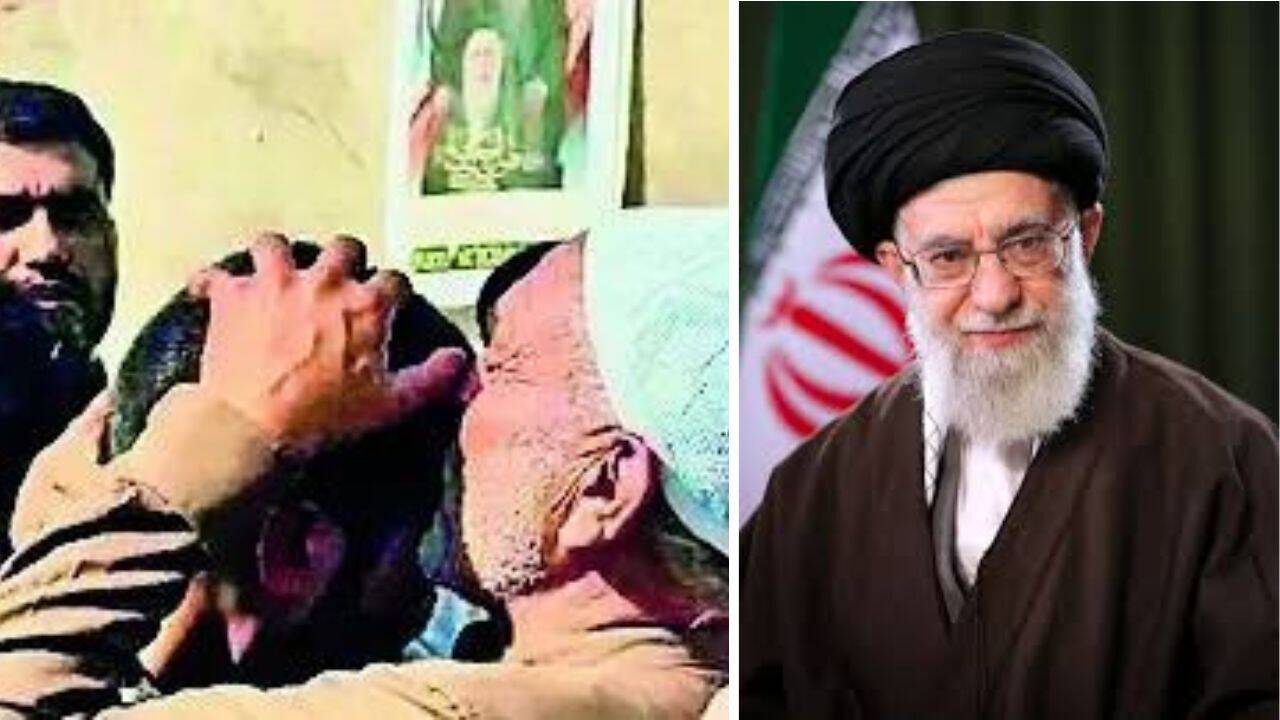
Amjad Ali Bhat, a 29-year-old from Baramulla, J&K, has returned home after being detained for three months in Saudi Arabia. He was held incommunicado following a Facebook post regarding the late Iranian leader Ayatollah Khamenei.
Homecoming After Ordeal: The Case of Amjad Ali Bhat
Amjad Ali Bhat, a 29-year-old resident of Baramulla in Jammu and Kashmir, has finally returned to his home after a harrowing three-month period of detention in Saudi Arabia. His return marks the end of a distressing chapter for his family, who had spent months in a state of uncertainty after Amjad vanished from his place of employment. The case highlights the precarious nature of expatriate life in regions where digital expressions are strictly monitored and can lead to severe legal repercussions.
The Sudden Arrest in Dammam
The ordeal began on March 25 in Dammam, where Amjad was working. According to Amjad's own account, he was approached by at least six security officers, one of whom was in uniform. He was told that he was needed for questioning that would only take approximately two hours. Trusting the authorities, Amjad complied, only to be taken to a police station where the situation escalated. Upon arrival, the authorities confiscated his passport and other essential identification documents, effectively stripping him of his legal identity and freedom of movement, and forcing him to sign documents under duress.
The Trigger: Social Media and Political Sensitivity
The catalyst for Amjad's detention was a Facebook post concerning the late Iranian leader Ayatollah Khamenei. In the geopolitical landscape of the Middle East, particularly within Saudi Arabia, commentary regarding Iranian leadership is treated with extreme sensitivity due to the long-standing rivalry between Riyadh and Tehran. Amjad's experience serves as a stark reminder that social media activity, even if perceived as trivial or personal by the user, can be interpreted as a security threat or a political offense by foreign governments, leading to swift and severe punitive actions.
The Agony of Incommunicado Detention
Following his initial questioning, Amjad was moved to an undisclosed detention center where he was held incommunicado. This means he was denied access to his family, legal counsel, or diplomatic representatives for a significant portion of his captivity. The psychological toll of being held in an unknown location without the ability to communicate with the outside world is immense. For his family in Baramulla, the silence was agonizing, leading them to launch an SOS campaign to the authorities of both India and Saudi Arabia to locate their son.
The Role of Media and Diplomatic Pressure
The resolution of this case was significantly aided by public visibility. The disappearance of Amjad and the subsequent pleas from his family were widely covered by the Times of India (TOI), which brought the case into the public eye. Such media coverage often puts pressure on diplomatic channels to prioritize the case, ensuring that the consulate and embassy engage more aggressively with the host country's ministry of foreign affairs to secure the release of the detained citizen.
Long-term Implications and Family Trauma
The emotional scars of this event are evident in the reaction of Amjad's father, who has categorically stated that his son will not travel abroad again. This sentiment reflects a broader fear among families of expatriate workers regarding the legal vulnerabilities they face in foreign jurisdictions. The incident underscores the necessity for citizens traveling for work to be acutely aware of the local laws and the cultural/political sensitivities of their host countries, especially regarding digital footprints.
Conclusion
Amjad Ali Bhat's return to Jammu and Kashmir is a relief, but his story remains a cautionary tale. From a simple Facebook post to a three-month disappearance in an undisclosed jail, the trajectory of his experience illustrates the intersection of digital surveillance and international law. While diplomatic efforts eventually succeeded, the event highlights the fragility of the rights of foreign workers in conservative regimes.