Seven low-pressure systems, but little rain relief for Andhra Pradesh
Source Entity
India Latest News: Top National Headlines Today & Breaking News | The Hindu
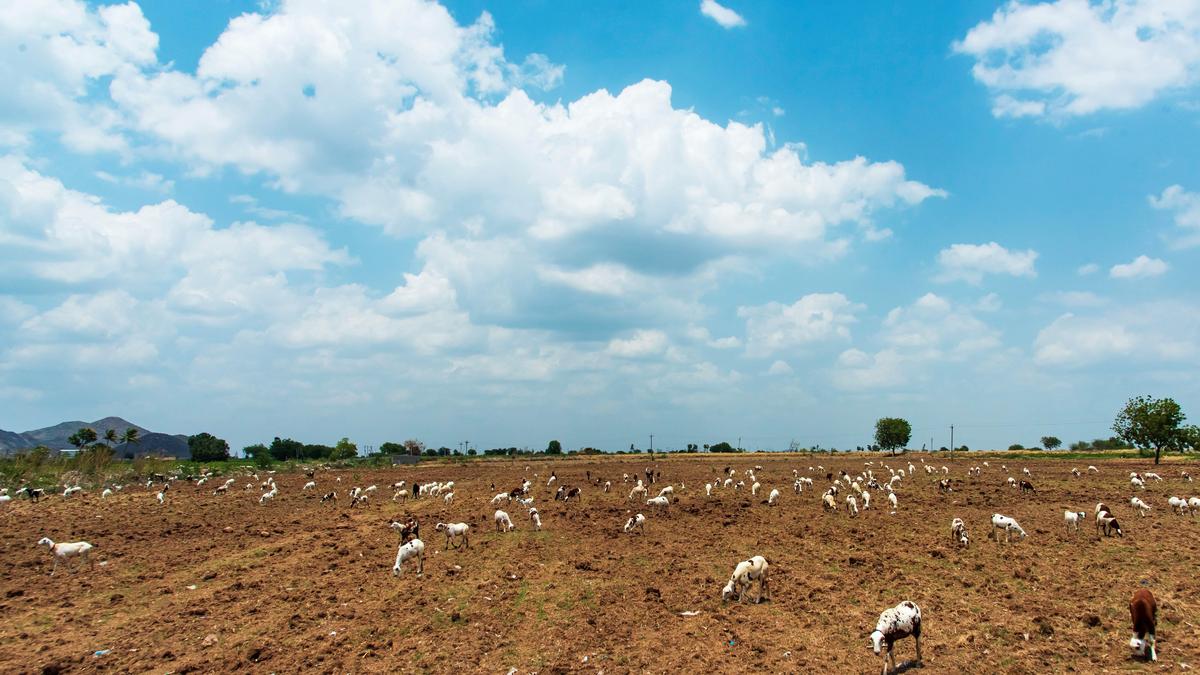
Recent rains along the Andhra-Odisha border have revitalized the Vamsadhara and Nagavali rivers, providing much-needed relief to farmers. Despite this localized improvement, Andhra Pradesh continues to face a significant 51.2% monsoon deficit due to the broader impact of El Niño.
A Critical Hydrological Shift in Andhra Pradesh
Recent meteorological developments in the Srikakulam and Vizianagaram districts have brought a sudden, albeit localized, reprieve to an agricultural sector struggling under the weight of a severe monsoon deficit. After approximately two and a half months of extreme water stress, the Vamsadhara and Nagavali rivers have seen a significant resurgence in inflows. This transformation, driven by incessant rainfall in the catchment areas along the Andhra-Odisha border, serves as a vital lifeline for standing crops that were nearing a point of failure.
The Impact of El Niño on Regional Water Security
The broader context of this hydrological stress is the persistent influence of El Niño, which has significantly disrupted typical precipitation patterns across the state. The irrigation department’s data confirms that while the Gotta barrage on the Vamsadhara River is now receiving 15,647 cusecs of water—which is being actively diverted for irrigation—this recovery follows a period where these rivers were nearly dry. The vulnerability of these water bodies underscores the state’s precarious reliance on timely monsoon rainfall to sustain its agrarian economy.
The Paradox of Low-Pressure Systems
Despite the welcome rise in river levels, the overall climatic picture for Andhra Pradesh remains concerning. The state continues to grapple with a 51.2% monsoon deficit, largely because recent low-pressure systems have failed to generate widespread precipitation. While seven distinct low-pressure systems have traversed the region, they have largely manifested as isolated, light showers rather than the sustained, heavy rainfall required to recharge groundwater levels and fill major reservoirs systematically.
Agricultural Implications and Farmer Resilience
For the local farming community, the recent inflows are described as a "blessing in disguise." The previous lack of water had created an environment of acute anxiety regarding the viability of the current harvest. However, the contrast between the localized river recovery and the state-wide rainfall deficit highlights the volatility of modern agriculture in the face of climate-induced weather extremes. The reliance on the Thotapalli project and other irrigation infrastructure has become the primary defense against the erratic nature of the current monsoon.
Future Trends and Meteorological Outlook
Looking ahead, the India Meteorological Department (IMD) suggests that while North Coastal Andhra Pradesh may receive light rain, there is no immediate indication of a systemic shift that would bridge the massive 51.2% deficit. The state government’s previous warnings regarding water stress remain highly relevant, as localized river inflows do not equate to a full recovery of the water table. Moving forward, the management of existing water resources through projects like the Gotta barrage will be the critical factor in determining the success of the remaining crop season.
Conclusive Summary
In summary, while the recent rains in the catchment areas of the Vamsadhara and Nagavali rivers offer a temporary, vital relief for farmers in Srikakulam and Vizianagaram, they do not mask the deeper structural challenges posed by the current monsoon failure. The coexistence of isolated river rejuvenation and a widespread 51.2% rainfall deficit illustrates the complex, fragmented nature of climate impacts in the region. Long-term agricultural stability will depend heavily on adaptive irrigation strategies and continued monitoring of these critical water sources.
Verification Required?