Rape Convict Ram Rahim Leaves Jail For 21 Days Again In 17th Such Relief
Source Entity
NDTV News Search Records Found 1000
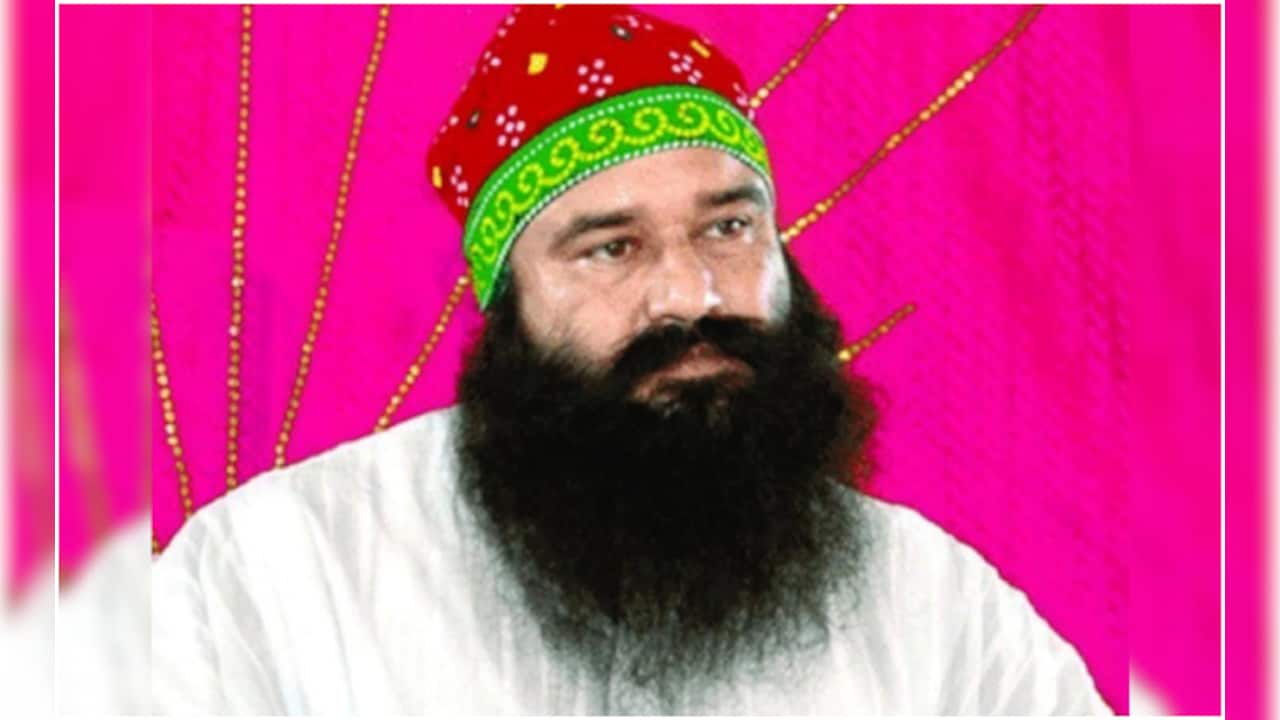
Dera Sacha Sauda chief Gurmeet Ram Rahim Singh has been granted a 21-day parole, marking his 17th release from prison since his 2017 conviction. The serial parole grants have sparked significant public scrutiny regarding the application of prison rules for high-profile convicts.
The Recurring Parole of Gurmeet Ram Rahim Singh
A Pattern of Release
Gurmeet Ram Rahim Singh, the head of the Dera Sacha Sauda, has once again been granted a 21-day parole, allowing him to leave the Sunaria jail in Rohtak, Haryana. This latest release marks the 17th time the Dera chief has stepped out of prison since his conviction in August 2017 for the rape of two disciples. Serving a 20-year sentence, the frequency of his temporary releases has become a recurring point of contention in Indian public discourse.
Regulatory Framework and Prison Rules
Under existing prison regulations, convicts are generally entitled to a maximum of ten weeks of parole annually. The repeated granting of these furloughs and parole periods to a high-profile prisoner convicted of serious crimes raises questions regarding the consistency of judicial and administrative discretion. While the law provides mechanisms for temporary release, the accumulation of 17 such instances since 2017 highlights a complex intersection between legal entitlement and the perception of justice for victims of heinous crimes.
The Impact of High-Profile Status
Ram Rahim’s ability to secure frequent releases—including a 40-day parole in January and a 30-day parole in May of this year—has drawn intense public scrutiny. Critics and legal observers often point to his significant influence as the head of the Dera Sacha Sauda as a potential factor in how these administrative decisions are navigated. The concentration of these releases suggests that the systemic application of parole rules for high-profile figures remains a subject of intense debate.
Social and Political Implications
For the followers of the Dera Sacha Sauda, these periodic releases are often viewed through a lens of devotion and institutional loyalty. Conversely, for the broader public and the families of the victims, the sight of a convicted rapist frequently returning to his headquarters in Sirsa serves as a painful reminder of the limitations of the penal system. The recurring nature of these events keeps the Dera chief in the media spotlight, often reigniting discussions about the nature of incarceration for powerful individuals.
Future Trends and Judicial Oversight
As the legal system continues to navigate the complexities of prisoner rights versus public interest, the case of Ram Rahim serves as a benchmark for how parole policies are scrutinized. Future trends likely involve increased calls for transparency in the criteria used for granting such frequent furloughs. Whether this will lead to a shift in how the Haryana authorities manage high-profile inmates remains a critical area of interest for legal experts and the public alike.
Conclusion
In summary, the 17th release of Gurmeet Ram Rahim Singh underscores a highly sensitive issue regarding the implementation of parole laws. By balancing the statutory rights of a convict against the expectations of justice, the authorities find themselves at the center of ongoing controversy. The situation remains a stark example of how, in high-profile cases, the details of prison administration carry weight far beyond the walls of the Sunaria jail.
Multiple Citing Sources
Verification Required?