Red alert in Delhi: Heavy rain floods roads as IMD warns of more downpour & thunderstorms
Source Entity
Latest News: Todays Latest News Headlines from India & World | Hindustan Times | Hindustan Times
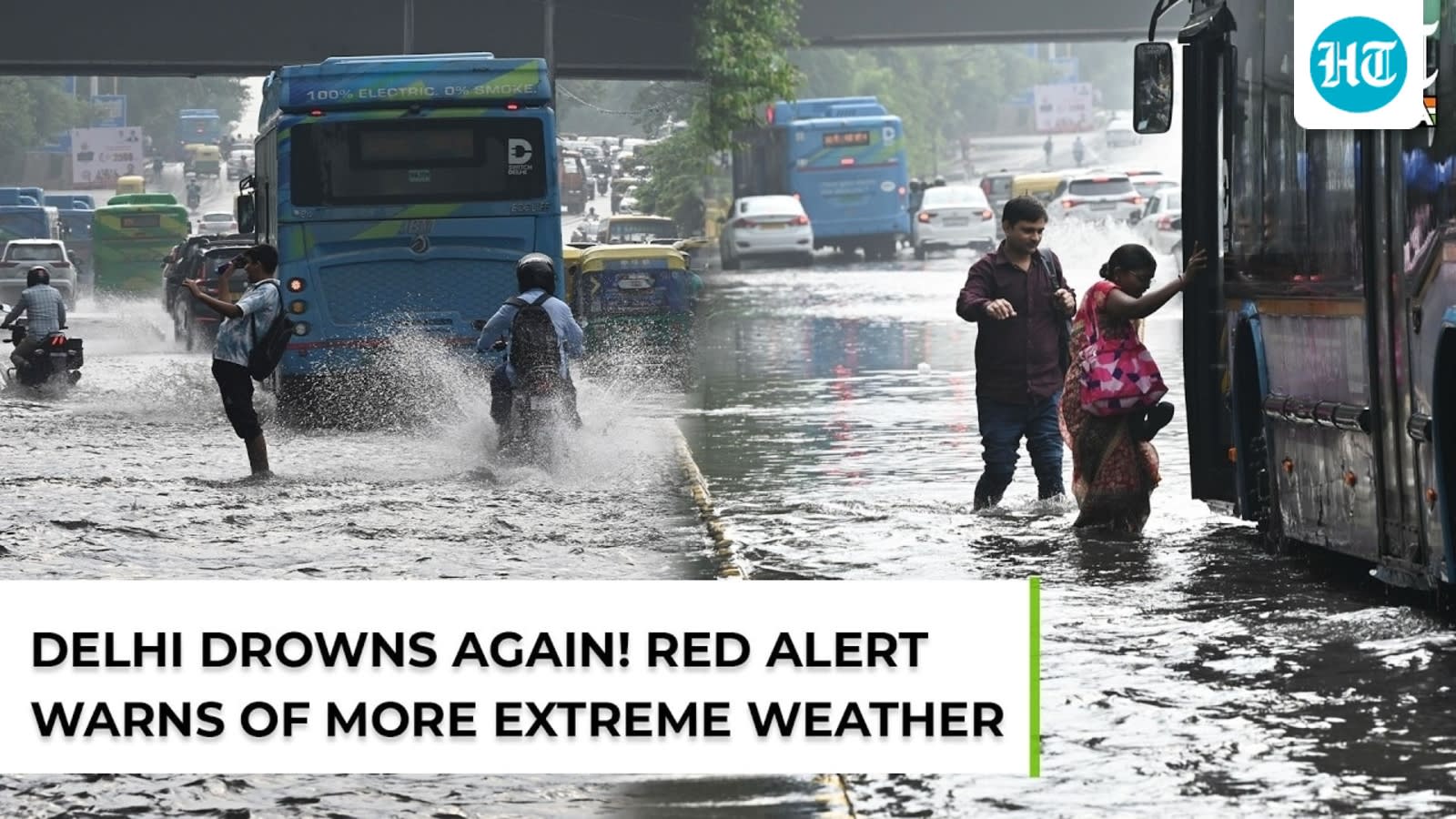
Recent heavy monsoon rains in Gurugram have caused severe waterlogging, leading to gridlocked traffic and traumatizing delays for school children. The recurring infrastructure failures have sparked public outcry from residents and local entrepreneurs demanding accountability.
The Infrastructure Crisis: Gurgaon's Recurring Monsoon Struggles
Recent heavy monsoon downpours have once again laid bare the structural vulnerabilities of Gurugram’s urban infrastructure. Following just an hour of intense rain, city streets transformed into waterlogged channels, prompting a local founder, Dr. Shivin Chaudhary, to sarcastically remark on social media that he was receiving the 'Venice experience.' This frustration is not an isolated incident but a reflection of systemic civic failures that plague the region during every monsoon season.
The Human Cost of Urban Paralysis
Beyond the inconvenience to commuters, the human cost of these floods reached a harrowing peak on Monday. Reports indicate that primary school children were trapped in school buses for up to seven hours, with some students not reaching home until 8:30 PM after leaving school at midday. This caused immense psychological distress to both children and parents, who were forced to track buses in real-time and wade through deep floodwaters in desperate attempts to reach their children. The imagery of stranded buses underscores the breakdown of emergency response and basic urban management.
Economic Implications and Civic Accountability
The discourse surrounding these events has shifted toward the economic viability of operating in Gurugram. Entrepreneurs and residents alike are questioning the return on their tax investments, noting that despite paying significant levies, the quality of civic services remains stagnant. There is a growing sentiment that such recurring infrastructure failures could drive talent and businesses to look elsewhere, potentially impacting the city's status as a major corporate hub.
The Regional Scope of the Problem
This issue is not confined to Gurugram alone. Reports confirm that Gautam Budh Nagar and Ghaziabad faced similar challenges, with key junctions and arterial roads becoming impassable. The ubiquity of these traffic jams and waterlogging incidents suggests that drainage improvements, often touted as solutions, have failed to keep pace with the rapid, unplanned urbanization of the National Capital Region (NCR).
Historical Context and Future Trends
Gurugram’s rapid transformation from a satellite town to a global business center has historically outpaced its drainage master plans. The current trajectory suggests that without a fundamental overhaul of urban planning, these 'monsoon traps' will continue to be a recurring feature of life in the NCR. The public outcry from voices like Dr. Chaudhary serves as a pressure point, forcing a broader conversation about whether the city's growth is sustainable or if it is reaching a breaking point where the cost of living—measured in time and safety—outweighs the professional benefits.
Conclusion
The recent flooding is a stark reminder that infrastructure must precede expansion. As residents and parents continue to demand accountability, the city administration faces an urgent need to prioritize robust drainage systems over rapid development. Unless these systemic failures are addressed, the 'Venice experience' will remain a grim, recurring reality for those who call Gurugram home.
Multiple Citing Sources
Verification Required?