How to make a solar-heavy grid stable and affordable
Source Entity
The Indian Express
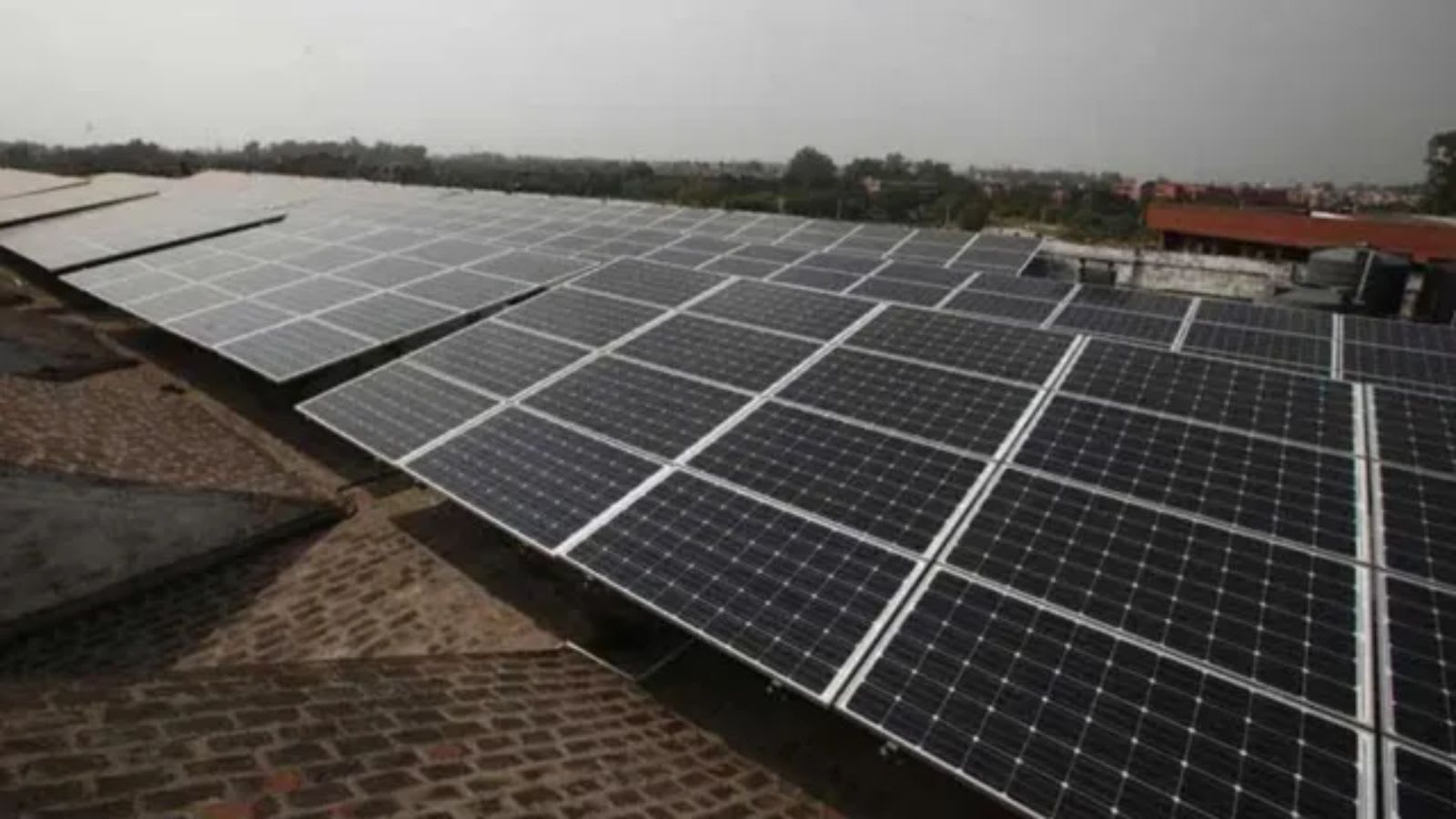
India has surpassed its 2030 non-fossil fuel energy targets ahead of schedule and is now aiming for 60% capacity by 2035. The nation is currently the world's third-largest renewable energy installer, with 283 GW already operational and 500 GW expected by 2030.
India's Ascendance as a Renewable Energy Powerhouse
India’s strategic pivot toward a sustainable energy future has reached a pivotal milestone. As the world’s third-largest installer of renewable energy (RE) capacity, the nation has effectively demonstrated that economic growth and climate responsibility are not mutually exclusive. By achieving its 2030 Nationally Determined Contribution (NDC) target of 50 per cent non-fossil fuel capacity five years ahead of schedule, India has signaled to the international community that its policy framework is both robust and highly effective.
The Path to 2035: Scaling Ambition
Building upon this momentum, the government has set a new, more aggressive target: 60 per cent cumulative electric power installed capacity from non-fossil fuel sources by 2035. This shift represents a significant escalation in India's energy transition strategy. With 283 GW of renewable capacity already integrated into the grid and an additional 150 GW currently in the pipeline, the country is demonstrating a systematic approach to infrastructure development that balances immediate energy needs with long-term ecological goals.
Policy Foundations and Technological Progress
The current success is not an overnight phenomenon but the result of over a decade of sustained policy focus and targeted technological advancement. By fostering an environment conducive to large-scale investment, India has successfully de-risked the renewable sector, attracting both domestic and foreign capital. This stability is critical for the 500 GW target by 2030, a goal that now appears to be well within reach given the current rate of project commissioning and grid integration.
Challenges of a Solar-Heavy Grid
While the expansion of capacity is impressive, the transition to a solar-heavy grid introduces complex challenges regarding stability and affordability. As India pivots away from traditional base-load power, the intermittency of solar and wind energy necessitates a more sophisticated grid management strategy. Ensuring that power remains affordable while incorporating expensive storage or grid-stabilization technologies remains a key area of focus for policymakers and engineers alike.
Future Trends and Global Implications
Looking ahead, India’s experience serves as a blueprint for other emerging economies attempting to decouple industrial growth from carbon emissions. The ability to scale renewable infrastructure at this velocity while maintaining grid integrity will likely define India's role in global climate negotiations for the next decade. The transition is not merely about capacity numbers; it is about creating a resilient, modern energy architecture that can withstand the demands of a rapidly growing economy.
Conclusion
In conclusion, India’s rapid progress in renewable energy is a testament to effective governance and clear strategic vision. Having already surpassed initial climate targets, the nation is now positioned to lead the global energy transition. The focus will now shift toward sustaining this growth, optimizing grid stability, and ensuring that the shift to non-fossil fuel sources remains economically viable for all stakeholders involved.