Burnham's 'Manchesterism' got him to No 10 - but will it work for the UK?
Source Entity
BBC News
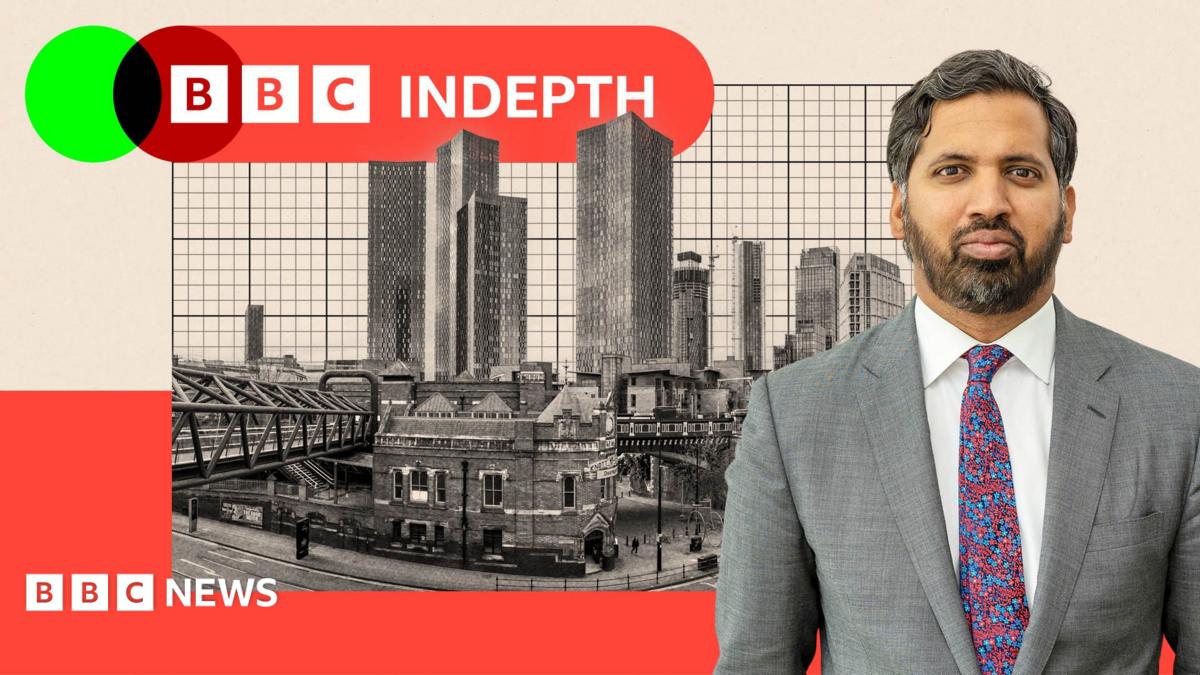
After being blocked by Labour's executive from running for parliament, Andy Burnham is focusing on 'Manchesterism' to elevate the North. He is pursuing high-profile bids for the 2035 Women's World Cup final, the Olympics, and the Ryder Cup.
The Rise of 'Manchesterism': Andy Burnham's Strategic Pivot
Following a significant political setback, Andy Burnham, the Mayor of Manchester, has pivoted his focus toward a philosophy of regional empowerment termed 'Manchesterism.' Having been blocked by the Labour Party's ruling executive from standing for parliament just five months ago, Burnham has redirected his political energy away from national legislative ambitions and toward the aggressive development of his city region. This transition marks a shift from attempting to influence the UK from within the halls of Westminster to demonstrating the power of regional governance and autonomy from the North.
Challenging the Southern Hegemony in Sports
Central to Burnham's current strategy is a direct challenge to the traditional dominance of London and Wembley in the sporting world. Burnham has expressed a clear intention to appeal to FIFA to host the final of the 2035 Women's football World Cup in Manchester rather than the customary Wembley Stadium. This move is not merely about logistics or venue capacity, but is a calculated effort to shift the cultural and symbolic center of gravity for women's sports. By bringing such a prestigious event to the North, Burnham aims to create an 'electrifying' impact on young girls growing up in the region, providing them with visible, local proof of global success and opportunity.
The 'Great Northern' Collaborative Vision
Burnham's ambitions extend beyond a single tournament. He is spearheading a broader coalition of regional leaders, joining forces with other mayors to launch a 'Great Northern' Olympic bid. This collaborative approach suggests a strategic recognition that while Manchester is a powerhouse, a unified front across the North of England is necessary to compete with the established infrastructure and political clout of the South. Additionally, the pursuit of the Ryder Cup for Bolton further illustrates a desire to distribute global sporting prestige across various hubs within the region, ensuring that the economic and social benefits of such events are not concentrated in a single city.
Re-educating National and Global Bodies
At the heart of Burnham's agenda is the belief that sports bodies require a fundamental 're-education' regarding the capabilities and passion of the rest of the country. For too long, the default setting for major events has been London-centric, often overlooking the infrastructure and enthusiasm present in Northern cities. By aggressively pursuing FIFA and Olympic committees, Burnham is attempting to dismantle the perception that the North is a secondary site for global events. This push for recognition is a key component of his broader political narrative: that the North of England is a viable, world-class destination capable of hosting the planet's largest spectacles.
Broader Implications and Future Trends
This shift toward regionalism may signal a broader trend in UK politics where mayors leverage their local mandates to bypass national party frictions. By focusing on tangible, high-visibility wins—like a World Cup final or an Olympic bid—Burnham is building a brand of leadership that is independent of the Labour executive's constraints. If successful, this approach could redefine the relationship between regional mayors and the central government, moving toward a model where regional hubs compete globally on their own merits.
Conclusion
Andy Burnham's transition from parliamentary disappointment to regional champion highlights a strategic embrace of 'Manchesterism.' By targeting the 2035 Women's World Cup, the Olympics, and the Ryder Cup, he is attempting to re-educate the sporting world and empower the North of England. Whether these ambitious bids materialize, the effort itself serves as a powerful statement on regional identity and the desire to break the long-standing monopoly of the South over the UK's global sporting image.