'Cyber threat to democracy': Trump says Russia, Iran & China interfered in US polls
Source Entity
TOI WORLD DESK
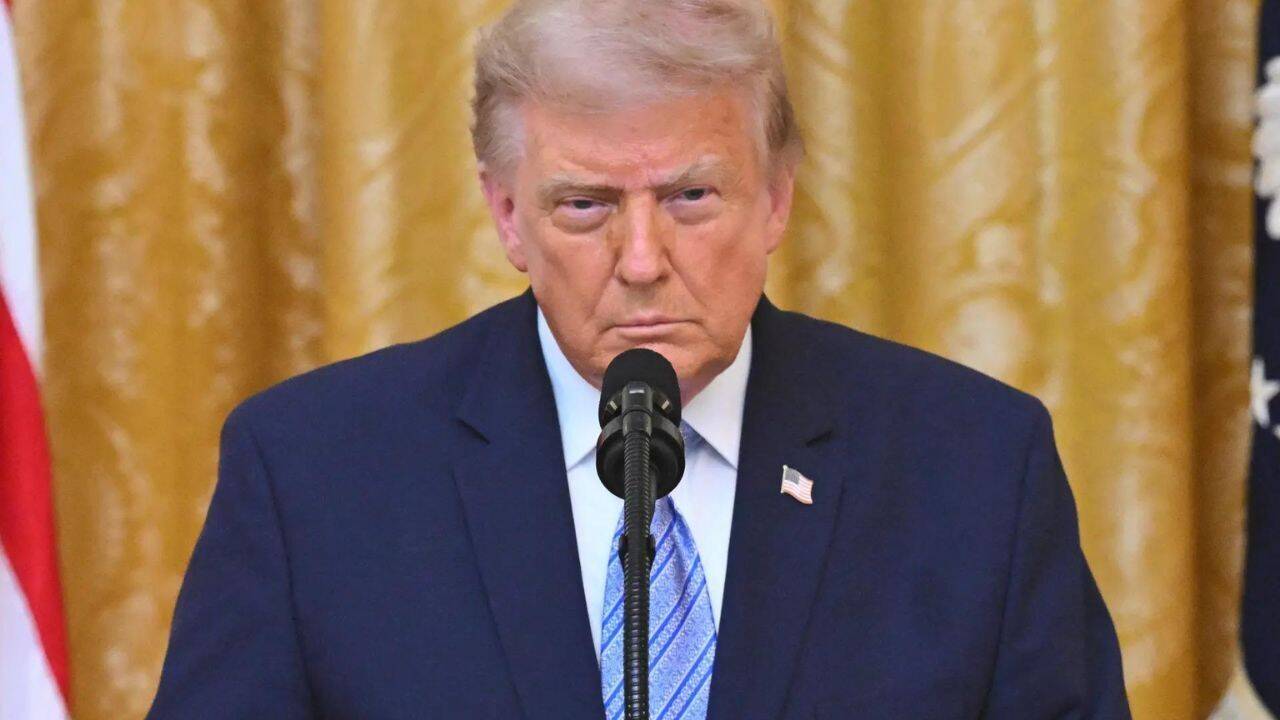
Donald Trump has warned that US election systems are vulnerable to cyber threats from foreign adversaries. He specifically identified Russia, China, Iran, and North Korea as actors capable of compromising democratic processes.
The Digital Battlefield: Analyzing Foreign Cyber Threats to US Democracy
Former President Donald Trump has raised significant alarms regarding the "cyber threat to democracy," asserting that the United States' election systems are vulnerable to interference from foreign adversaries. By specifically naming Russia, China, Iran, and North Korea, Trump highlights a geopolitical landscape where digital warfare has become a primary tool for state-sponsored influence. This claim underscores a growing concern that the integrity of the democratic process is no longer just a matter of domestic security, but a frontline in a global struggle for digital supremacy and political destabilization.
The Architecture of Foreign Interference
The identification of Russia, China, Iran, and North Korea is not arbitrary; these nations have long been associated with sophisticated state-sponsored cyber capabilities. Russia has historically been accused of utilizing a mix of hacking and disinformation to sway public opinion, while China is often viewed as a master of long-term espionage and infrastructure penetration. Iran and North Korea, meanwhile, have demonstrated capabilities in disruptive attacks and financial cyber-crime that could potentially be pivoted toward election interference. When Trump claims these nations can "compromise" systems, he is referring to a spectrum of threats ranging from the manipulation of voter registration databases to the infiltration of reporting systems that tally final results.
Technical Vulnerabilities and Systemic Risks
Analyzing the claim of "compromised systems" requires an understanding of the fragmented nature of US election infrastructure. Because elections are managed at the state and local levels, there is a diverse array of hardware and software in use, creating a broad attack surface for foreign actors. A successful breach in a single critical node—such as a centralized voter roll or a state-level reporting portal—could potentially create chaos and cast doubt on the legitimacy of the outcome. This technical vulnerability transforms a cybersecurity issue into a political crisis, as the mere perception of a breach can be as damaging as the breach itself.
The Erosion of Public Trust
Beyond the technical risks, the narrative of foreign interference has profound implications for the psychological health of a democracy. When high-profile figures warn that foreign powers can compromise election systems, it can lead to a crisis of confidence among the electorate. If citizens believe that their votes can be altered or that the system is fundamentally insecure, the perceived legitimacy of the elected government diminishes. This creates a feedback loop where the threat of cyber-attacks is used to justify claims of fraud, further polarizing the population and making the nation more susceptible to the very disinformation campaigns these foreign actors employ.
Historical Context and Evolution of Threats
This warning does not exist in a vacuum but is part of a continuing trend observed over several election cycles. Since 2016, the US intelligence community and various political leaders have consistently flagged the role of foreign intelligence services in attempting to influence US polls. However, the nature of the threat has evolved from simple "hack-and-leak" operations to more sophisticated attempts at systemic infiltration. The transition from targeting individual emails to targeting the actual machinery of democracy represents a significant escalation in the stakes of cyber warfare.
Future Trends: AI and the New Frontier
Looking ahead, the threat landscape is likely to be complicated by the rise of generative AI and deepfake technology. While Trump's current claims focus on the "compromise" of systems, the next phase of interference will likely involve the seamless blending of system breaches with hyper-realistic disinformation. Foreign adversaries may not need to change a single vote if they can use AI to convince millions of voters that the system has already been hacked. This suggests that the "cyber threat to democracy" will move beyond the server room and into the cognitive space of the voter.
Conclusion
In summary, the claims regarding the ability of Russia, China, Iran, and North Korea to compromise US election systems highlight a critical vulnerability in the modern democratic framework. The intersection of aging infrastructure, geopolitical rivalry, and emerging technologies creates a volatile environment. Protecting the democratic process now requires more than just physical security; it demands a comprehensive, nationwide strategy for cybersecurity and a concerted effort to maintain public trust in the face of persistent foreign aggression.