Akhilesh hits out at BJP over demolition notice to University linked with Azam Khan
Source Entity
India Latest News: Top National Headlines Today & Breaking News | The Hindu
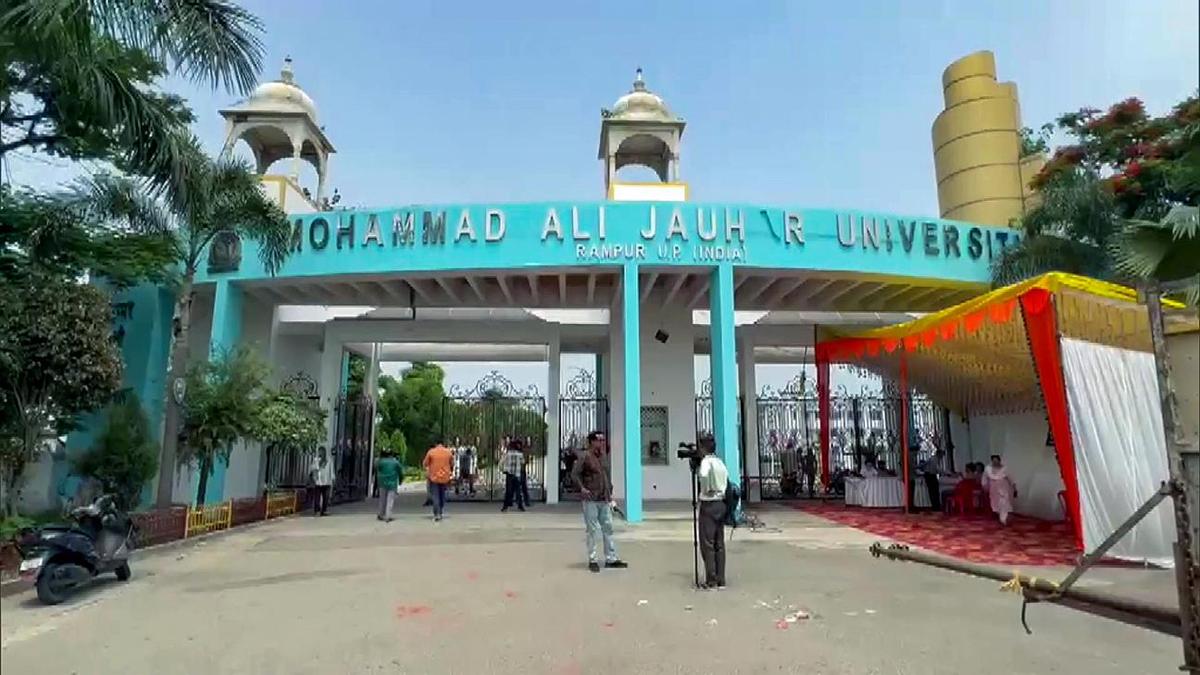
Samajwadi Party chief Akhilesh Yadav has condemned the BJP after the Rampur Development Authority issued a demolition notice for 38 buildings at Mohammad Ali Jauhar University. Yadav and the Congress party allege the move is a politically motivated act of communalism targeting SP leader Azam Khan.
Political Turmoil in Rampur: The Battle Over Mohammad Ali Jauhar University
The political landscape in Uttar Pradesh has intensified following a confrontation between the Samajwadi Party (SP) and the Bharatiya Janata Party (BJP) over the status of the Mohammad Ali Jauhar University in Rampur. On July 16, SP president Akhilesh Yadav launched a scathing attack on the ruling BJP, accusing the administration of embedding communalism within the sphere of education. This escalation follows a specific administrative action by the Rampur Development Authority (RDA), which has placed the university—an institution linked to prominent SP leader Azam Khan—under the threat of demolition.
The Administrative Trigger: RDA's Demolition Order
At the center of the controversy is a demolition notice issued by the Rampur Development Authority (RDA) on July 15. The RDA has identified 38 out of 40 buildings within the university campus as illegal, claiming they were constructed without the necessary permissions and approvals. The university is operated by the Mohammad Ali Jauhar Trust, where Azam Khan serves as the chairperson. By framing the issue as a violation of urban development laws and construction permits, the RDA has provided a legal basis for the notice, though the timing and scale of the action have drawn intense political scrutiny.
Allegations of Political Targeting and Communalism
Akhilesh Yadav's reaction shifts the narrative from administrative non-compliance to a broader ideological struggle. He argues that the BJP is "seeing communalism even in education," suggesting that the demolition notice is not about zoning laws but about targeting a specific community and political opponent. Yadav emphasizes that education serves as the bedrock of societal cohesion and empowerment, characterizing the act of demolishing educational structures as a "criminal act." This rhetoric positions the university not just as a collection of buildings, but as a symbol of intellectual and social progress for the marginalized.
The Role of the Congress and Judicial Intervention
The controversy has gained further momentum with the involvement of the Congress party, which has added a layer of legal pressure to the situation. Congress has called upon the Court to take suo motu cognisance of the matter, asserting that the RDA's actions are "targeted and motivated" for the purpose of achieving political gains. By seeking judicial intervention, the opposition aims to challenge the objectivity of the RDA's findings and bring the case into a legal arena where the motivations behind the demolition notice can be scrutinized beyond the surface-level claims of illegal construction.
The Azam Khan Factor and Institutional Friction
The focus on Mohammad Ali Jauhar University is inextricably linked to the political standing of Azam Khan. As the chairperson of the trust running the university, Khan has long been a polarizing figure in Uttar Pradesh politics. The current conflict reflects a broader trend of institutional friction where state authorities utilize regulatory frameworks—such as development authority notices—to challenge the assets and influence of political rivals. This dynamic creates a cycle of litigation and public protest, turning a local zoning issue into a state-wide political flashpoint.
Conclusion: Implications for Education and Governance
In summary, the standoff over the Mohammad Ali Jauhar University illustrates the deep polarization within the region's political climate. While the RDA maintains that the buildings are illegal constructions, the opposition views this as a strategic strike against educational empowerment and political dissent. The outcome of this clash—whether the buildings are demolished or saved through judicial intervention—will likely set a precedent for how urban development laws are applied to politically sensitive institutions in the future, highlighting the fragile intersection of governance, law, and political identity.
Verification Required?