Annamalai says CJP has right to protest in India, disagrees with its tactics
Source Entity
Latest News: Todays Latest News Headlines from India & World | Hindustan Times | Hindustan Times
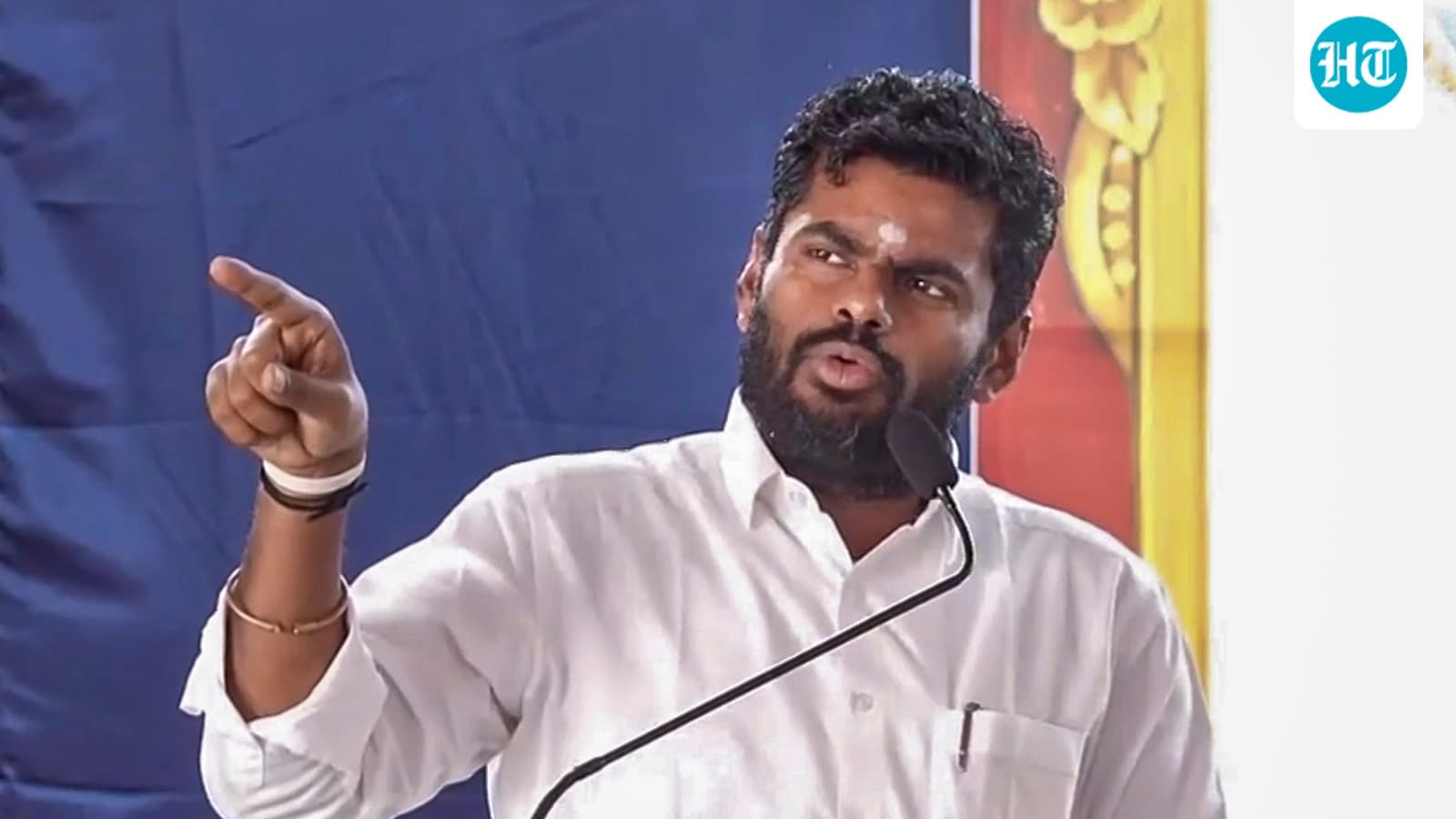
Former Tamil Nadu BJP leader K Annamalai has clarified that his 'We The Leaders' movement will not align with the Cockroach Janta Party (CJP). While he defends their democratic right to protest, he maintains that their specific tactics and objectives remain fundamentally incompatible.
The Intersection of Dissent and Political Ideology in India
Recent statements by former Tamil Nadu BJP president K Annamalai have brought the nuances of political activism and organizational alignment into sharp focus. Addressing the public, Annamalai clarified the stance of his 'We The Leaders' movement regarding the Cockroach Janta Party (CJP). Despite his clear rejection of a formal alliance, Annamalai’s commentary serves as a significant case study on the democratic principles of dissent and the operational boundaries between emerging political entities in the Indian landscape.
Defining the Boundaries of Alliance
The core of Annamalai’s message lies in the distinction between ideological alignment and the constitutional right to protest. By explicitly stating that 'We The Leaders' will never support the CJP, he is drawing a clear demarcation line for his supporters and the broader electorate. This move is essential for maintaining the distinct identity of his movement, ensuring that his specific political objectives are not conflated with those of other organizations, regardless of their shared status as opposition or protest-oriented groups.
The Right to Protest vs. Tactical Disagreement
While distancing himself from the CJP, Annamalai remains a vocal proponent of the fundamental right to protest. In the Indian democratic framework, the freedom to voice dissent is a cornerstone of civil society. Annamalai’s acknowledgment that the CJP possesses the right to protest highlights a sophisticated understanding of democratic norms; one can uphold the right of an entity to exist and speak while simultaneously criticizing the methodology and efficacy of that entity’s actions.
Analyzing 'Misguided' Tactics
Annamalai’s previous characterization of the CJP’s protest tactics as “misguided” provides insight into his strategic philosophy. In political movements, the method of delivery is often as critical as the message itself. By labeling these tactics as misguided, he suggests a strategic misalignment. For observers, this indicates that the disagreement is not merely one of policy or objective, but a fundamental difference in how political pressure should be applied within the Indian socio-political ecosystem.
Implications for Future Political Trends
This interaction underscores a growing trend in Indian politics where leaders are increasingly vocal about the 'how' of political engagement. As movements like 'We The Leaders' continue to evolve, the ability to differentiate between universal rights and specific political strategies will become a key marker of political maturity. Annamalai’s approach suggests a move toward disciplined, objective-driven political advocacy that seeks to avoid the perceived pitfalls of what he views as disorganized or ineffective protest culture.
Conclusion
In summary, the dialogue between K Annamalai and the CJP serves as a reminder of the complex landscape of Indian grassroots politics. By upholding the democratic right to dissent while rejecting the specific tactics of the CJP, Annamalai is carving out a specific ideological space for his movement. This clarity is vital for stakeholders, observers, and the public as they navigate the shifting alliances and methodologies that define the current era of political discourse in India.
Verification Required?