Face-Off With China Continues In Arunachal: Border Police Force Chief
Source Entity
NDTV News Search Records Found 1000
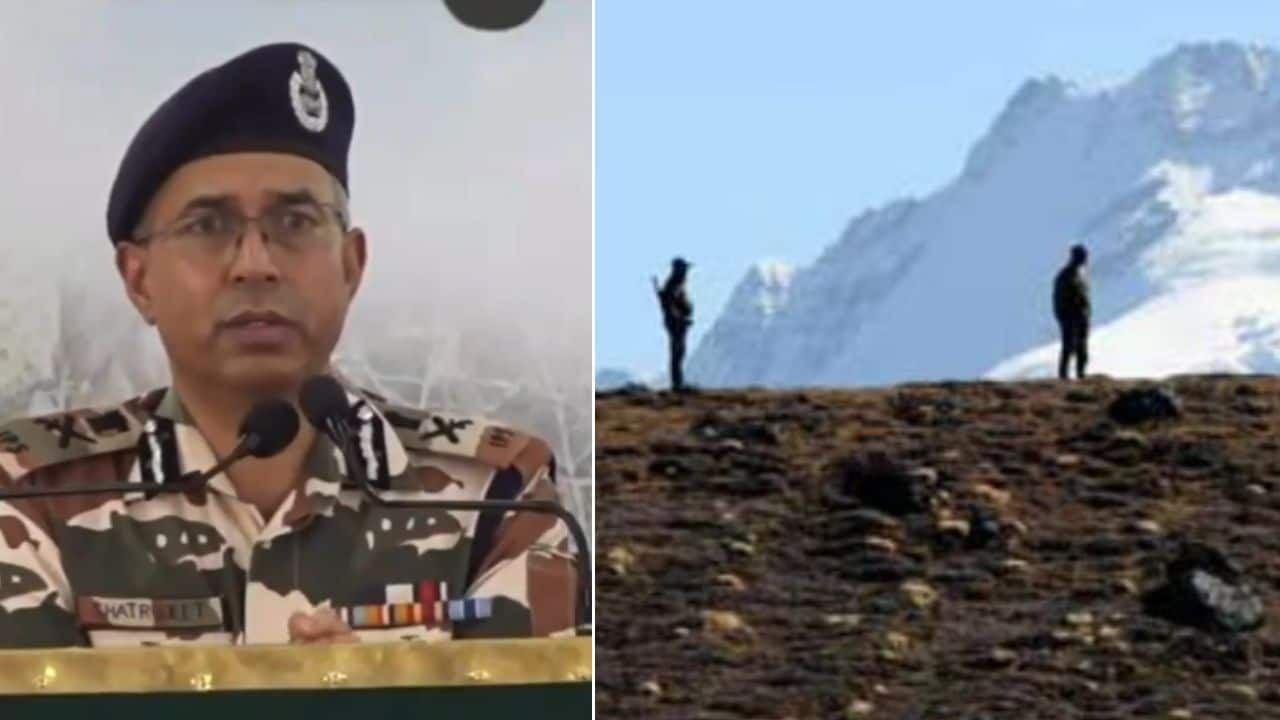
A political controversy has emerged following ITBP Director General Shatrujeet Kapur's remarks regarding an ongoing border face-off with China in Arunachal Pradesh. The Congress party has demanded government transparency after the official video of the statement was deleted from social media.
Tensions on the LAC: The ITBP Arunachal Disclosure
Recent statements made by Indo-Tibetan Border Police (ITBP) Director General Shatrujeet Kapur have ignited a significant political debate concerning India's border security. During a felicitation ceremony at an ITBP base in Alwar, Rajasthan, ahead of the force’s 65th Raising Day, Kapur purportedly characterized the China front as the country's "most difficult" border, explicitly stating that face-offs between Indian and Chinese forces in Arunachal Pradesh are "still continuing."
The Controversy of the Deleted Footage
The situation escalated when the ITBP released footage of the speech on social media, only to delete it shortly thereafter. This digital suppression of the Director General's comments has drawn sharp criticism from the opposition. Congress leader Jairam Ramesh has publicly questioned the government’s silence, suggesting that the administration is attempting to downplay the gravity of the situation on the Line of Actual Control (LAC). The lack of an immediate official response from the central government or the Bharatiya Janata Party (BJP) has further fueled speculation regarding the transparency of India's current border management strategy.
Strategic Challenges at the Arunachal Border
The ITBP serves as the primary force tasked with patrolling and guarding the high-altitude border between India and China. By acknowledging that China is a "powerful" neighbor and describing the region as the "most difficult" operational theater, the ITBP chief highlighted the immense logistical and tactical pressures faced by troops on the ground. The reference to the "Shaurya platoon," an elite unit within the force, underscores the specialized nature of the ongoing standoffs, which require constant vigilance and high-level readiness.
Implications for India-China Relations
This incident underscores the fragile nature of the ongoing border dispute. While diplomatic channels remain open, the operational reality on the ground—as described by the ITBP chief—suggests a persistent state of friction. The fact that these face-offs are characterized as "ongoing" indicates that the disengagement processes initiated in previous years have not fully resolved the underlying territorial sensitivities in the Arunachal sector.
Future Trends and Political Accountability
Looking ahead, the incident points toward a growing demand for parliamentary and public accountability regarding national security. As the government navigates the delicate balance of maintaining defense readiness while managing international perceptions, the incident serves as a reminder that border security remains a highly sensitive political issue. Future policy discussions will likely focus on the need for greater clarity regarding the status of the LAC and how the government communicates security threats to the Indian public.
Conclusion
The controversy surrounding DG Shatrujeet Kapur’s remarks highlights the intersection of military operational realities and domestic political discourse. While the ITBP remains steadfast in its duty to protect the border, the surrounding political friction emphasizes the necessity for clear, consistent communication from the state regarding the status of India's territorial integrity and its ongoing strategic challenges with China.
Verification Required?