CM Satheesan offers to host Raihan Vadra's exhibition in Keralam
Source Entity
India Latest News: Top National Headlines Today & Breaking News | The Hindu
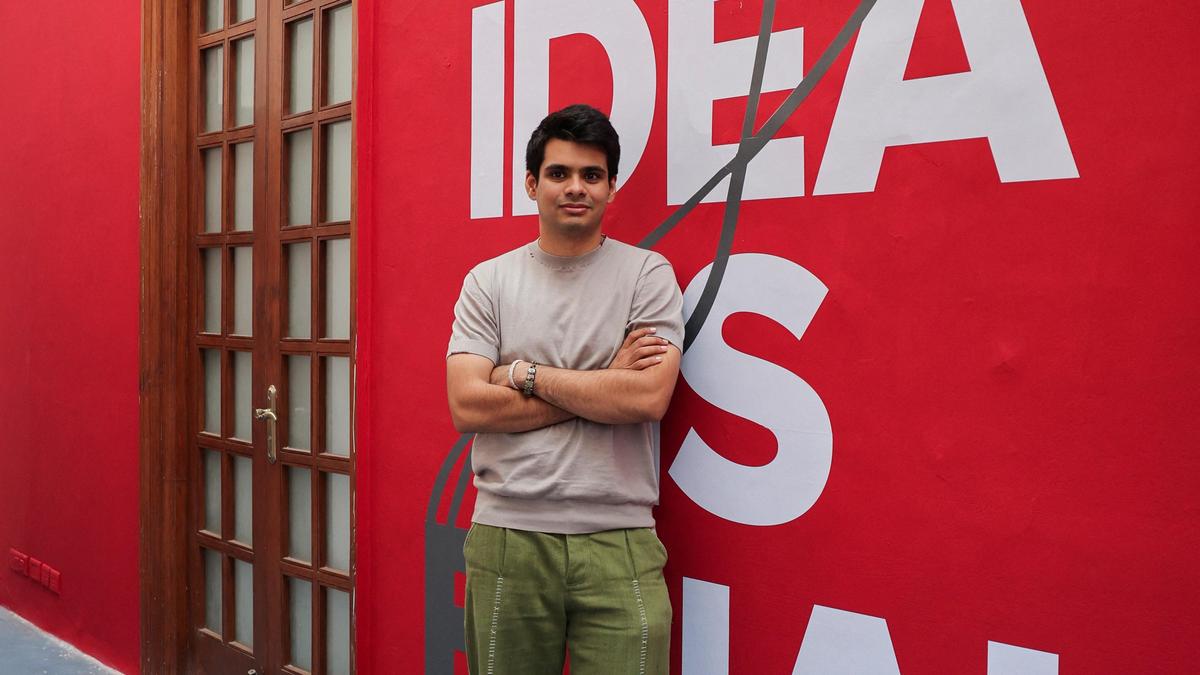
Artist Raihan Vadra’s photo exhibition, 'No Idea is Final', faced censorship at Delhi’s Bikaner House after administrators removed 70 prints depicting protests. The Kerala government has since offered to host the complete collection, sparking a debate over artistic freedom and political expression.
The Controversy at Bikaner House
The recent disruption of Raihan Vadra’s solo photography exhibition, titled 'No Idea is Final,' at Delhi’s Bikaner House has ignited a significant debate regarding artistic freedom and the boundaries of political expression in public spaces. Vadra, a visual artist and the son of Congress leader Priyanka Gandhi Vadra, found his exhibition curtailed just hours before its opening when the venue administration demanded the removal of 70 prints out of a 105-piece collection.
The Nature of the Censorship
The photographs in question primarily documented recent protests held in the national capital, including demonstrations at Jantar Mantar. According to reports, the Bikaner House administration labeled the collection as 'political content.' Notably, this included images of the national flag being waved at various rallies. Despite Vadra’s refusal to voluntarily remove the works, the organizers proceeded to take them down, citing a deadline of 5 p.m. on October 21, 2026, and threatening the cancellation of the entire event if compliance was not met.
Historical Context and Venue Relations
This incident is particularly striking given the established relationship between the artist and the venue. Bikaner House has served as a recurring platform for Vadra’s work, hosting at least one of his exhibitions annually since 2021. The sudden pivot to strict censorship suggests a tightening of administrative oversight regarding content deemed politically sensitive, marking a departure from the venue’s previous operational history with the artist.
The Kerala Government's Intervention
In the wake of the controversy, the political dimensions of the event expanded beyond Delhi. Kerala Chief Minister V.D. Satheesan publicly offered to host the exhibition in its entirety within the state. In a statement on social media, Satheesan emphasized that Kerala would be "happy and proud" to showcase the collection without any exclusions or exceptions, positioning the state as a defender of artistic integrity against the censorship experienced in the capital.
Broader Implications for Artistic Expression
The incident raises critical questions about the role of state-affiliated or public-facing venues in curating content. By labeling documentation of public protests as 'political content' unsuitable for display, the Bikaner House administration has inadvertently highlighted the tension between institutional neutrality and the artist’s role in recording social movements. This friction suggests a growing trend where visual documentation of civil unrest faces increased scrutiny in institutional settings.
Future Outlook
As the debate continues, the offer from the Kerala government provides a potential blueprint for how regional administrations may engage with artists facing censorship in other parts of the country. Whether this leads to a broader cultural migration of politically charged art to more receptive jurisdictions remains to be seen. Ultimately, the 'No Idea is Final' controversy serves as a case study in the vulnerability of contemporary art that seeks to engage with the reality of public protest in a polarized political climate.
Multiple Citing Sources
Verification Required?