Apple CEO says the company doesn’t ‘want to ship AI for AI’s sake’
Source Entity
Anthony Ha
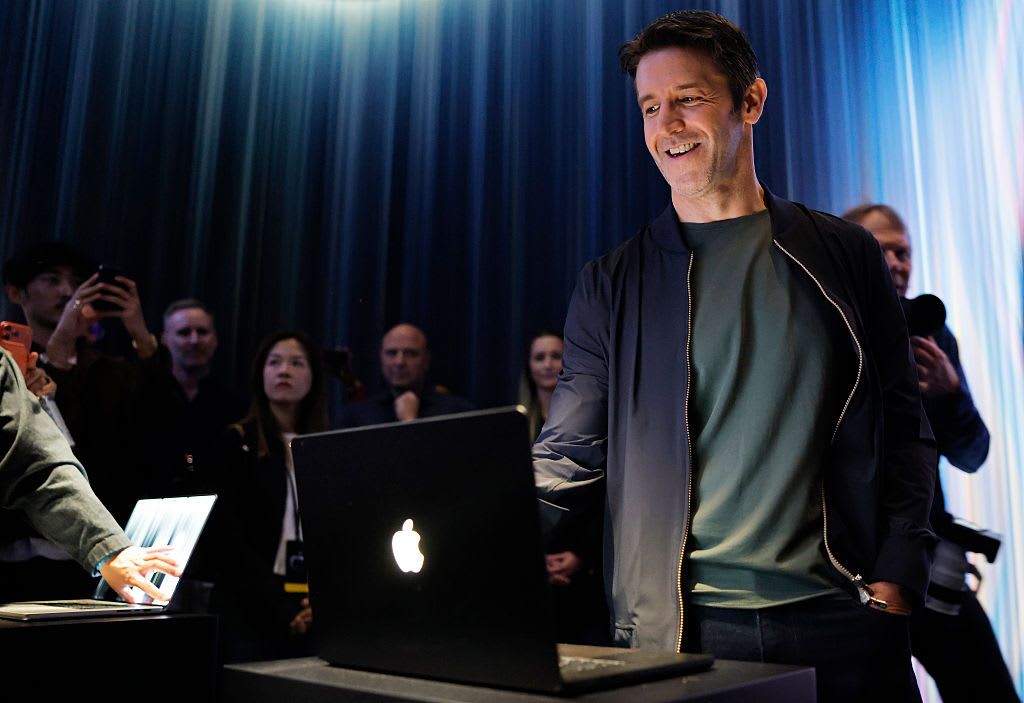
Apple's new CEO John Ternus defends the company's measured approach to artificial intelligence. He emphasizes that Apple prioritizes practical user experience over shipping AI technology for its own sake.
Apple's Strategic Shift: Prioritizing Utility Over Hype
A New Era Under John Ternus
In a recent interview with Wired’s Steven Levy, Apple’s newly appointed CEO, John Ternus, addressed the growing narrative that the tech giant has fallen behind in the global artificial intelligence race. Having stepped into the role at the beginning of September, Ternus faces the challenge of steering Apple through a period of intense industry scrutiny. His remarks serve as a definitive statement on the company's philosophy, suggesting that Apple remains confident in its measured, deliberate approach to integrating advanced technologies into its ecosystem.
Addressing the 'Behind' Narrative
For several years, market analysts and critics have frequently labeled Apple as a laggard in the AI sector, particularly compared to rivals who aggressively deployed generative AI tools. This sentiment was largely fueled by the delayed rollout of a modernized, more capable iteration of Siri, which only saw its debut this past summer. Ternus acknowledges these external opinions but remains steadfast in his assessment that Apple’s current standing is strong, prioritizing the quality and reliability of these implementations over being the first to market.
The Philosophy of Invisible Integration
At the core of Ternus’s argument is the principle that AI should not be the product itself, but rather an underlying mechanism that enhances user experience. By stating that the company does not want to “ship AI for AI’s sake,” Ternus aligns with Apple’s long-standing design ethos: technology should feel like an extension of the user rather than a complex tool they must learn to navigate. The goal is for AI to function seamlessly within the background of Apple's existing software architecture.
Defining Success Through User Experience
Apple’s strategic vision focuses on the end result rather than the technical buzzword. Ternus suggests that when Apple’s AI integration is successful, the user should not need to distinguish between traditional software processes and those powered by artificial intelligence. This 'invisible' utility is intended to solve specific user problems efficiently, ensuring that the technology adds tangible value without introducing unnecessary complexity or friction into the Apple ecosystem.
Future Implications and Trends
Looking forward, this stance indicates that Apple will continue to integrate AI as a utility-driven feature set rather than a standalone platform. While competitors may focus on raw model power or rapid deployment, Apple is positioning itself to win by focusing on the 'how'—ensuring that AI-driven features are privacy-focused, reliable, and deeply integrated into hardware. This approach suggests that while Apple may not dominate the headlines with AI hype, it is building a foundation for long-term, practical adoption that aligns with its established brand identity.
Conclusion
John Ternus’s defense of Apple’s AI strategy highlights a clear divide in the tech industry. By prioritizing the user journey over the mere inclusion of AI, Apple is attempting to differentiate itself from a market currently saturated with experimental features. As the company continues to evolve, its success will likely be measured by how well it hides the complexity of its AI behind the intuitive interfaces that have defined its success for decades.