Apple Watch Ultra 4 review: longer battery life but still awaiting new features
Source Entity
Samuel Gibbs Consumer technology editor
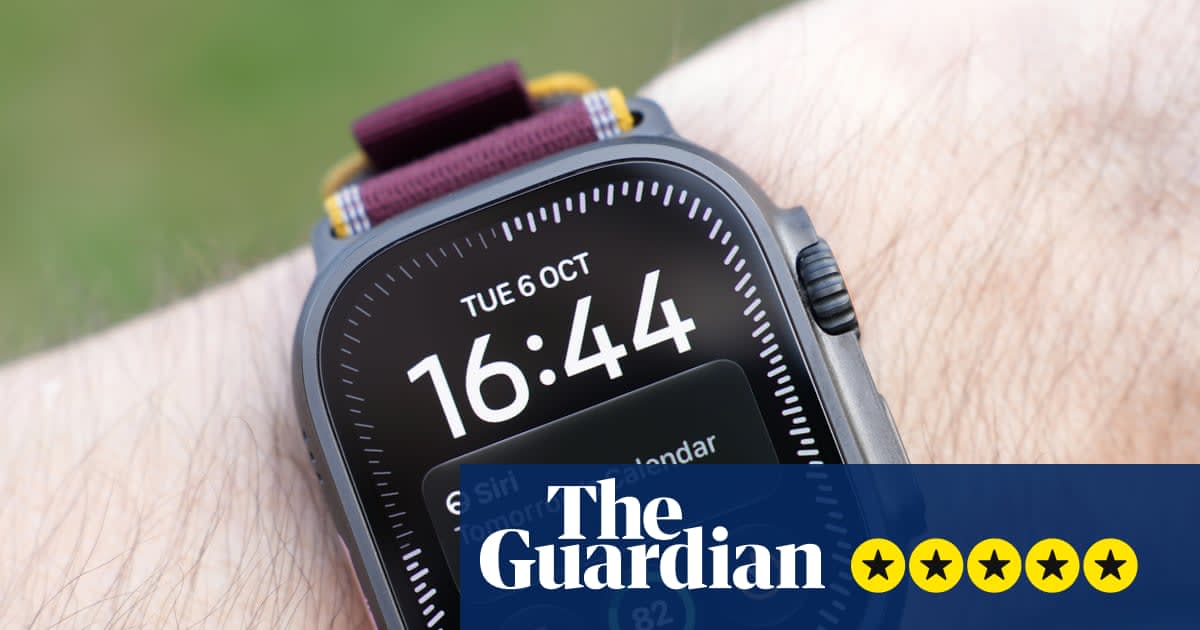
The Apple Watch Ultra 4 launches with improved battery life and upgraded sensor reliability, though many of its headline features remain inactive until later this year. Externally, the device retains the iconic design of its predecessors, marking a period of iterative refinement for Apple's high-end wearable.
The Apple Watch Ultra 4: Incremental Refinement in a Mature Market
As the Apple Watch Ultra enters its fourth iteration, the device solidifies its position as the premium offering in Apple’s wearable ecosystem. The release of the Ultra 4 represents a strategic pivot toward internal hardware stability rather than radical external transformation. While the physical silhouette remains identical to previous models—maintaining the rugged, 'beefiest' aesthetic that defines the series—the focus has shifted toward efficiency and sensor precision.
Efficiency Gains and Internal Upgrades
The most significant enhancement in the Ultra 4 is the extension of battery life, a critical metric for a device marketed toward endurance athletes and outdoor enthusiasts. By optimizing power consumption, Apple addresses the primary pain point for users who demand multi-day performance. Furthermore, the introduction of a redesigned, fan-like sensor dome on the case back marks a subtle but vital improvement. This engineering change is specifically intended to enhance data reliability during high-intensity movement, ensuring that heart rate and biometric tracking remain consistent even in challenging physical conditions.
The 'Waiting Game' for Software Features
Despite the hardware improvements, the Ultra 4 currently occupies a unique space in the market: it is a flagship device waiting for its full potential to be unlocked. Several key features announced during the 2026 launch cycle remain dormant, with software updates scheduled for late this year. This creates a staggered value proposition where early adopters are essentially investing in the hardware foundation for future capabilities. This strategy reflects a broader industry trend where software-defined features are increasingly decoupled from the annual physical hardware release cycle.
Design Continuity and Market Positioning
Retaining the same body, screen, and colorways as the Ultra 3 is a deliberate choice by Apple to maintain design consistency and accessory compatibility. By keeping the design static, Apple allows its user base to retain existing bands and protective gear, reducing the friction of upgrading. However, at a premium price point of £749 ($799), the lack of a visual overhaul may challenge the perception of the Ultra 4 as a 'new' device, positioning it instead as a maintenance release for the most dedicated power users.
Future Trends and Concluding Thoughts
The Apple Watch Ultra 4 serves as a bridge between the established capabilities of the current wearable generation and the next wave of transformative health-tracking technology. While the industry anticipates more radical advancements in sensor technology—perhaps trending toward non-invasive monitoring or advanced metabolic tracking—the Ultra 4 proves that Apple is prioritizing reliability and endurance for its top-tier users. As we look toward the end of the year, the success of this model will ultimately depend on whether the promised software updates successfully justify the high entry price and deliver a truly 'next-gen' experience.