Arc browser is shutting down
Source Entity
Jay Peters
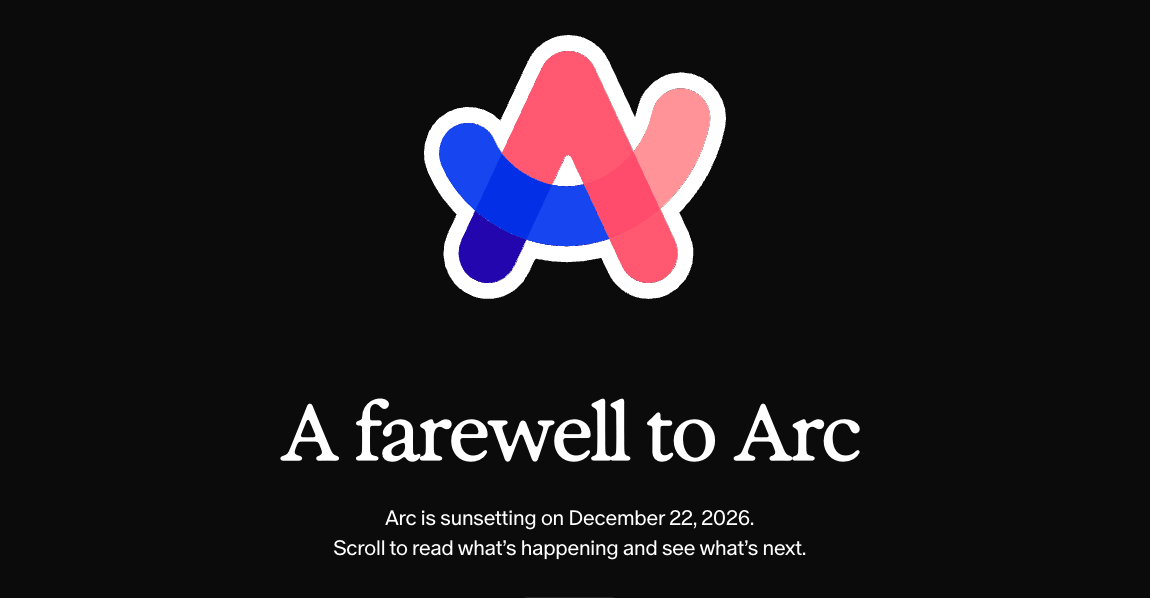
The Browser Company has announced it will sunset the Arc browser on December 22, 2026, to focus resources on its AI-first browser, Dia. The transition involves a phased shutdown of account creation, syncing, and AI features leading up to the final discontinuation date.
The End of an Era: The Browser Company Sunsets Arc
The Browser Company has officially announced the "sunset" of its flagship product, the Arc browser, with a final shutdown date set for December 22, 2026. This decision marks a significant pivot for the organization, which had previously positioned Arc as a design-forward, innovative alternative to the dominant market players like Google Chrome. While Arc cultivated a fiercely loyal user base, it struggled to achieve the mass-market adoption necessary to sustain its unique infrastructure.
The Strategic Shift Toward Dia
This transition is not a sudden collapse but a deliberate strategic reallocation of resources. The company began developing its new, AI-focused browser, Dia, last year. By sunsetting Arc, The Browser Company aims to consolidate its engineering and security talent toward Dia, which was architected from the ground up to address contemporary security standards. The company explicitly cited the rising costs and technical challenges of maintaining browser security in the rapidly evolving landscape of artificial intelligence as the primary driver for this shift.
A Phased Discontinuation Process
The wind-down of Arc is structured into three distinct phases to manage user migration. Effective immediately, the company has halted the creation of new Arc accounts. The second phase, scheduled for November 23, will see the removal of critical AI features—specifically the "Browse for Me" functionality—on iOS and Android platforms, alongside the disablement of sign-in and tab-syncing capabilities. The final phase occurs on December 22, when the browser will become entirely inaccessible to users.
The Challenge of Modern Browser Security
The Browser Company’s reasoning highlights the broader, often overlooked challenges of browser development. Maintaining a modern web browser requires a massive, continuous investment in security protocols to keep pace with sophisticated web threats. The company noted that these security demands are intensifying in the age of AI, making the overhead of supporting two separate browser ecosystems unsustainable for a single firm.
Market Implications and Future Trends
Arc’s exit serves as a case study for the difficulties of challenging established browser monopolies. Even with a design-centric approach and high user sentiment, competing against entrenched incumbents like Chrome requires massive scale. As the industry pivots toward "AI-first" browsing experiences, companies like The Browser Company are betting that building from the ground up for AI is a more viable path than retrofitting legacy software. The success of Dia will now depend on whether the company can translate the design philosophy that made Arc popular into a robust, AI-native utility.