This emulator reimagines Nintendo’s Virtual Boy with a full color display
Source Entity
Kyle Orland
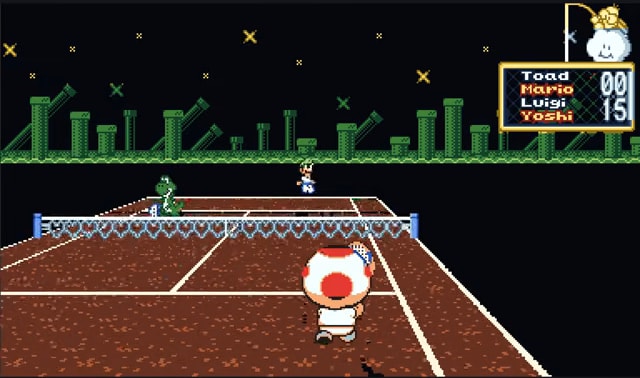
The new VBoy Color emulator enhances the classic Virtual Boy experience by applying sophisticated tile-based color palettes. This project significantly improves the original hardware's monochromatic red-on-black aesthetic through advanced game-specific color mapping.
The Evolution of Virtual Boy Emulation
Nintendo’s Virtual Boy, released in 1995, remains one of the most infamous hardware failures in gaming history. Originally marketed as a portable 3D console, its reliance on a restrictive red-on-black monochromatic display contributed to its rapid market exit. However, the legacy of this niche device has found new life through the efforts of the emulation community, which is now working to rectify the console's most significant visual limitation: its lack of color.
Breaking the Red-on-Black Barrier
Building upon the foundation laid by previous projects like Red Viper—which introduced basic color overlays similar to the Super Game Boy—the new VBoy Color emulator represents a significant technical leap. Rather than applying a blanket color filter across the entire screen, VBoy Color utilizes a sophisticated tile-based palette system. This allows the software to interpret individual 8x8 tiles and assign specific colors to them, effectively reimagining the console’s original assets in a vibrant, multi-colored format.
Technical Implementation and Color Packs
At the heart of VBoy Color is a system of game-specific Color Packs. By mapping distinct palettes to specific tiles, the emulator can differentiate between environmental elements that previously blended into a singular red hue. For example, in titles like Mario Clash, the software can distinguish between green pipes, grey platforms, and red brick walls. This granular control over the display output demonstrates the ingenuity of developers who are essentially reverse-engineering the limitations of 1990s hardware to create a modern, visually coherent experience.
Implications for Game Preservation
This project highlights a broader trend in game preservation: the enhancement of legacy titles to make them more accessible to modern audiences. By stripping away the visual fatigue associated with the original red-on-black display, VBoy Color transforms these games into something that feels more aligned with the aesthetic standards of the 16-bit and 32-bit eras. It serves as a bridge between the historical failure of the hardware and the enduring quality of the software libraries that were previously obscured by poor display technology.
Future Trends in Emulation
As emulation technology continues to mature, we can expect to see more projects that focus on 'remastering' content at the engine level. VBoy Color is not just a simulator; it is an interpretive tool that adds layers of visual information that were technically impossible on the original hardware. As these tools become more refined, they will likely influence how retro enthusiasts interact with other legacy platforms, potentially leading to a new era of fan-made visual updates for neglected consoles.
Conclusion
In summary, the VBoy Color emulator is a testament to the passion and technical skill of the retro-gaming community. By overcoming the color limitations that defined the Virtual Boy’s failure, developers are effectively salvaging a piece of gaming history. This project ensures that the library of the Virtual Boy is no longer confined to its original, punishing color palette, allowing a new generation of players to appreciate these titles with unprecedented visual clarity.