International Coffee Day: ASR district eyes better returns for coffee growers
Source Entity
India Latest News: Top National Headlines Today & Breaking News | The Hindu
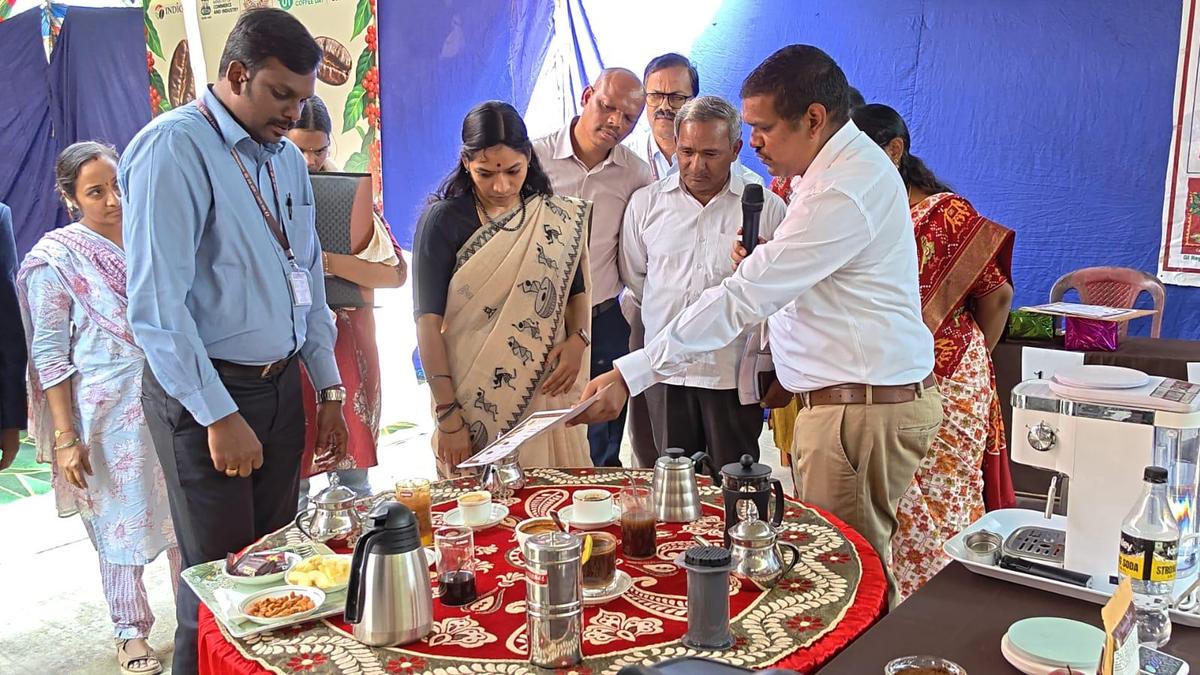
The Alluri Sitarama Raju district is prioritizing the growth of its coffee sector by enhancing productivity and market reach for tribal farmers. Officials are focusing on collective processing, organic certification, and branding to improve the economic outcomes of local coffee growers.
Empowering Tribal Coffee Growers in ASR District
The celebration of the 12th International Coffee Day in the Alluri Sitarama Raju (ASR) district marks a pivotal shift in the region's agricultural strategy. By focusing on the expansion of market opportunities and the enhancement of tribal farmers' incomes, the district administration is signaling a move toward professionalizing a vital local industry. With over 107,000 hectares dedicated to coffee, the region holds significant potential, but the current productivity levels suggest that there is substantial room for optimization.
Scaling Production Through Scientific Methods
Currently, the ASR district produces approximately 15,200 metric tonnes of coffee annually, with an average productivity rate of 172 kg per hectare. District Collector T. Nishanthi has emphasized that bridging the gap between current output and potential yield requires the adoption of scientific cultivation techniques. This transition is essential for ensuring that the predominantly Arabica-focused plantations—which account for over 107,000 hectares of the total cultivation area—can compete effectively in both domestic and international markets.
The Role of Farmer Producer Organisations
To move beyond subsistence farming, the administration is championing the strengthening of Farmer Producer Organisations (FPOs). By encouraging collective processing, grading, and branding, the district aims to help farmers capture more value from their harvest. This transition from selling raw, unbranded commodities to creating a distinct, traceable product is a proven strategy for increasing agricultural revenue. It allows tribal farmers to leverage the 'farm-to-cup' narrative, which is increasingly valued by specialty coffee consumers worldwide.
Sustainability and Market Access
Organic cultivation and certification have emerged as central pillars of the ASR district's new coffee policy. Given the global demand for sustainably sourced beans, achieving organic certification could provide a critical competitive advantage. The Collector's call for improved market linkages is designed to bypass traditional intermediaries, ensuring that a larger share of the final consumer price reaches the growers. This systemic approach is vital for the long-term economic stability of the tribal communities involved in the sector.
Future Outlook and Economic Implications
Looking ahead, the success of the ASR district's initiative will depend on the consistent application of these strategies. If the district can successfully increase its productivity per hectare while establishing a recognized brand, it will likely see a surge in income for its farmers. The focus on traceability and quality standards aligns with modern agricultural trends that prioritize transparency and sustainability, setting the stage for the ASR district to become a significant player in the broader Indian coffee landscape.
Verification Required?