Jewelry giant Pandora is getting on lab-grown diamonds and hoping a new Vietnam plant helps growth in Asia
Source Entity
US Top News and Analysis
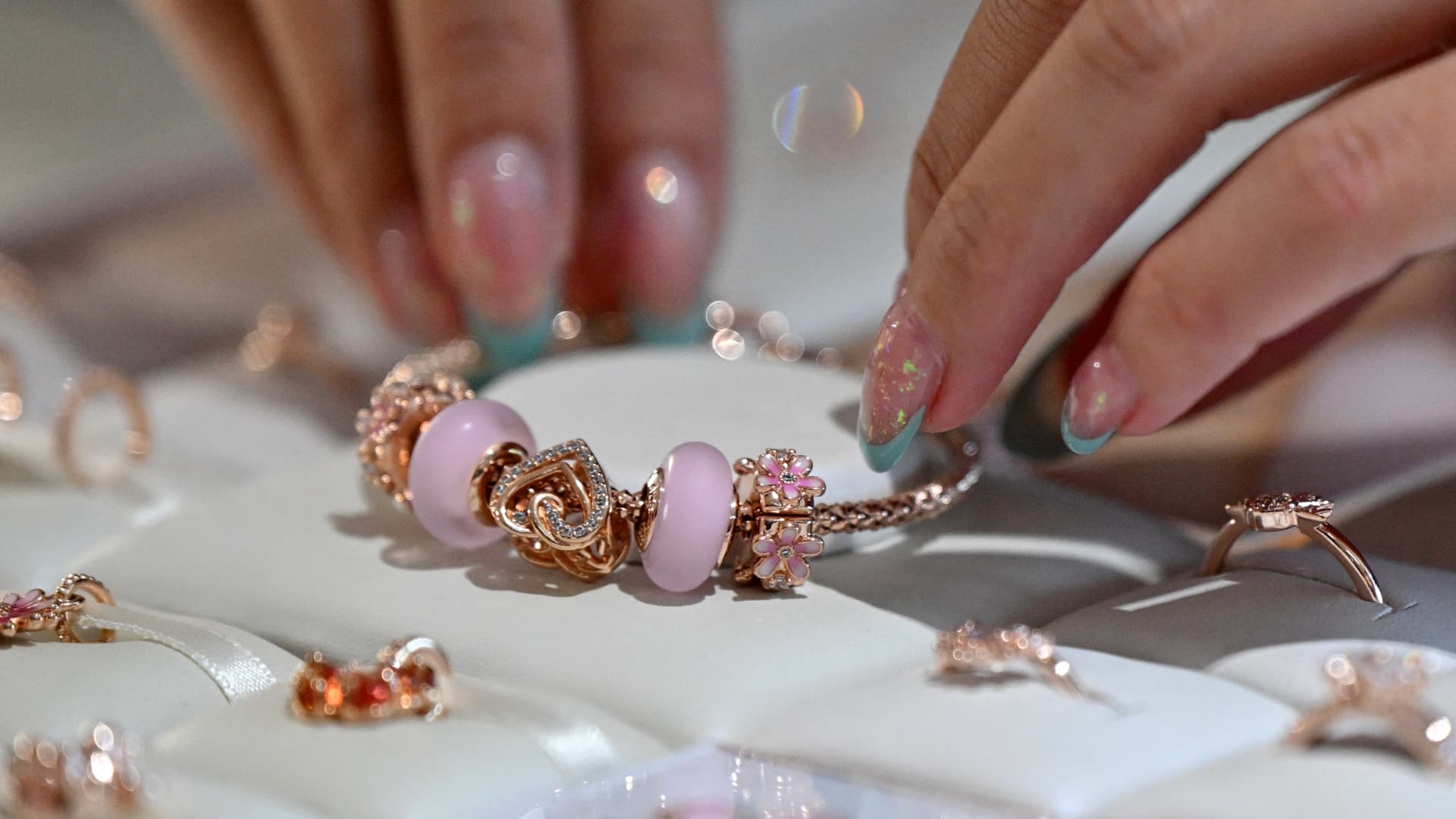
Pandora has opened a $150 million manufacturing facility in Vietnam to boost production capacity and support expansion in Asian markets. The new plant, expected to create 7,000 jobs, marks a strategic shift in the company's supply chain beyond its traditional base in Thailand.
Pandora's Strategic Expansion into Vietnam
Danish jewelry powerhouse Pandora has officially inaugurated a new $150 million manufacturing facility on the outskirts of Ho Chi Minh City, Vietnam. This significant capital investment represents a pivotal moment for the world's largest jewelry brand as it seeks to scale its production capabilities to meet surging demand. By establishing a massive footprint in Vietnam, Pandora is signaling a clear intent to fortify its supply chain resilience and capture a larger share of the burgeoning Asian consumer market.
Diversifying the Manufacturing Base
For decades, Pandora has relied heavily on its established production hubs in Thailand. While these facilities have served as the backbone of the company's global operations, the decision to pivot toward Vietnam highlights a modern corporate strategy of geographic diversification. This move is not merely about increasing output; it is about mitigating regional risks and leveraging Vietnam’s competitive labor market, which is expected to support the creation of approximately 7,000 local jobs.
Scaling for Future Growth
Pandora’s leadership has explicitly stated that this facility is designed to support the "growth of tomorrow." As the company eyes expansion across Asia, the Vietnamese plant is set to become the world’s largest crafting facility for fine jewelry. This scale is essential for a brand that operates on high-volume production models, ensuring that the company can maintain inventory levels that keep pace with its ambitious marketing and sales strategies in the region.
The Shift Toward Lab-Grown Diamonds
Beyond the physical infrastructure, this expansion coincides with Pandora’s strategic pivot toward lab-grown diamonds. By integrating advanced manufacturing techniques within this new facility, the company is positioning itself to lead the market in sustainable and ethically sourced jewelry alternatives. This transition is crucial as consumer preferences shift toward transparent, environmentally conscious luxury goods, allowing Pandora to maintain its competitive edge against traditional diamond retailers.
Broader Economic Implications
The establishment of a $150 million facility in Vietnam serves as a bellwether for foreign direct investment trends in Southeast Asia. As manufacturers look to move beyond traditional production hubs, Vietnam has emerged as a premier destination due to its improving infrastructure and skilled workforce. Pandora’s commitment here underscores the long-term potential of the Asian consumer class, which remains a primary driver for global luxury brands looking to offset slower growth in mature Western markets.
Conclusion
Pandora’s entry into Vietnam is a calculated, multi-faceted move that addresses production capacity, market access, and product innovation. By balancing its historical expertise in Thailand with the massive potential of its new Vietnamese plant, the company is well-positioned to navigate the evolving demands of the global jewelry industry. As the facility scales up, it will likely serve as a blueprint for how legacy brands can successfully reinvent their supply chains to foster sustainable, long-term growth.