Ford CEO Jim Farley makes clear distinction of the jobs that AI cannot replace
Source Entity
TOI TECH DESK
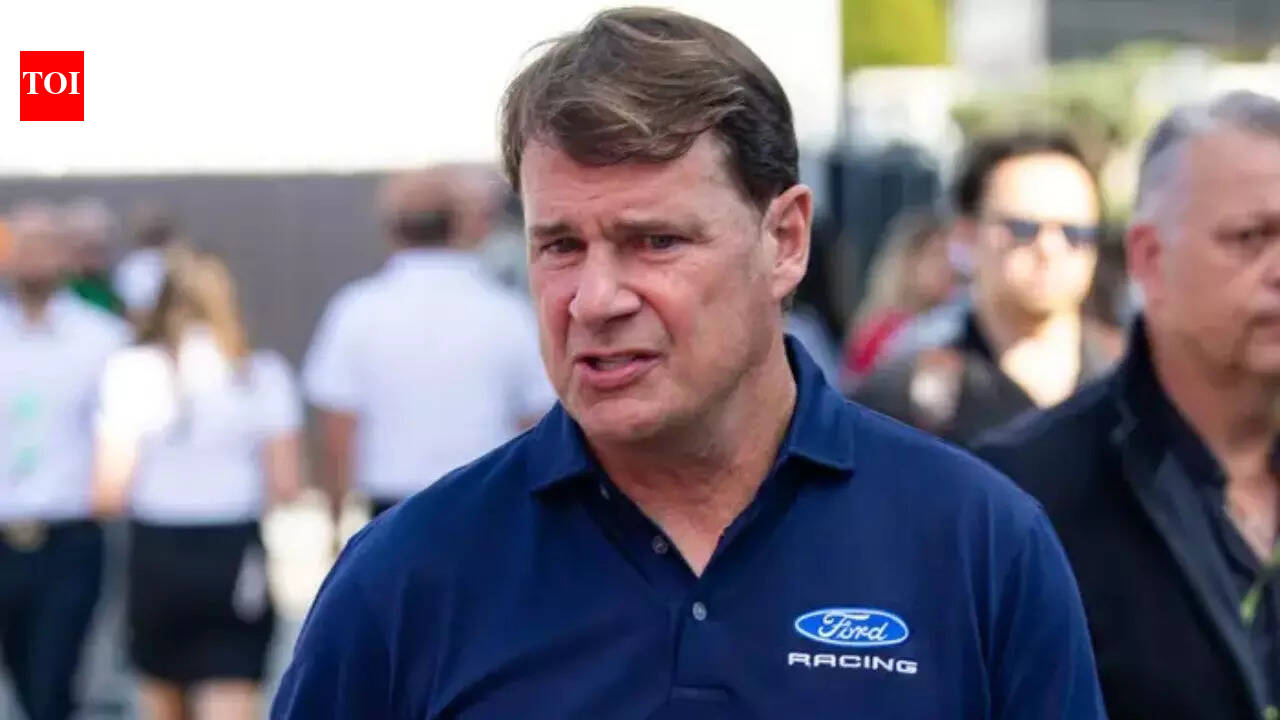
Ford CEO Jim Farley asserts that AI will act as a tool to augment, rather than replace, skilled tradespeople. He emphasizes that the unique blend of practical judgment and hands-on expertise remains essential to modern manufacturing.
The Future of Human-AI Collaboration at Ford
Ford CEO Jim Farley recently addressed the growing anxiety surrounding artificial intelligence in the manufacturing sector, offering a reassuring perspective on the future of labor. By distinguishing between tasks that can be automated and those that require human intuition, Farley has framed AI not as a displacement mechanism, but as a technological companion. This distinction is vital for maintaining workforce stability while the automotive industry undergoes a radical digital transformation.
The Irreplaceability of Practical Judgment
At the core of Farley’s argument is the inherent limitation of AI regarding 'practical judgment.' While algorithms excel at data processing, predictive maintenance, and optimizing supply chains, they lack the nuanced, real-world experience required for complex mechanical diagnostics and on-the-floor decision-making. Skilled tradespeople possess a physical and contextual understanding of machinery that current AI models cannot replicate, ensuring that human expertise remains a cornerstone of Ford’s operational success.
The Convergence of Roles: Engineers and Technicians
Farley highlighted a significant evolution within Ford: the blurring lines between traditional engineering roles and skilled technician positions. In a modern, electrified, and software-defined vehicle manufacturing environment, the distinction between designing a system and maintaining it is becoming increasingly porous. This convergence suggests that the next generation of workers will need a hybrid skillset that combines traditional mechanical proficiency with a high level of digital literacy, effectively creating a new class of industrial worker.
Building Trust in the Age of Automation
For AI to be successfully integrated into the shop floor, Farley identifies 'trust' as the most critical factor. The successful adoption of new technology requires buy-in from the workforce; if workers perceive AI as a threat to their livelihoods, they are less likely to collaborate with these tools effectively. By positioning AI as a supportive layer—a 'companion'—Ford aims to foster an environment where technology empowers workers rather than undermining their professional security.
Historical Context and Future Trends
This shift represents an 'old tension in a new form,' reflecting the historical anxieties that have accompanied every industrial revolution, from the introduction of assembly lines to early robotics. Looking ahead, the trend suggests that manufacturing will continue to shift toward human-in-the-loop systems. As Ford continues to evolve, the ability to balance high-tech automation with the irreplaceable nature of human craftsmanship will likely serve as a competitive advantage in the global automotive market.
Conclusion
In summary, Ford’s approach to AI reflects a pragmatic understanding of the modern manufacturing landscape. By emphasizing the protection of skilled trades and the necessity of human judgment, the company is attempting to navigate the complexities of digital integration. Ultimately, the future of Ford—and the broader manufacturing sector—depends on its ability to evolve job functions while maintaining the essential human element that keeps production systems running reliably.