Ban use of pellet guns, electric shock batons by all police forces: disability rights outfits
Source Entity
India Latest News: Top National Headlines Today & Breaking News | The Hindu
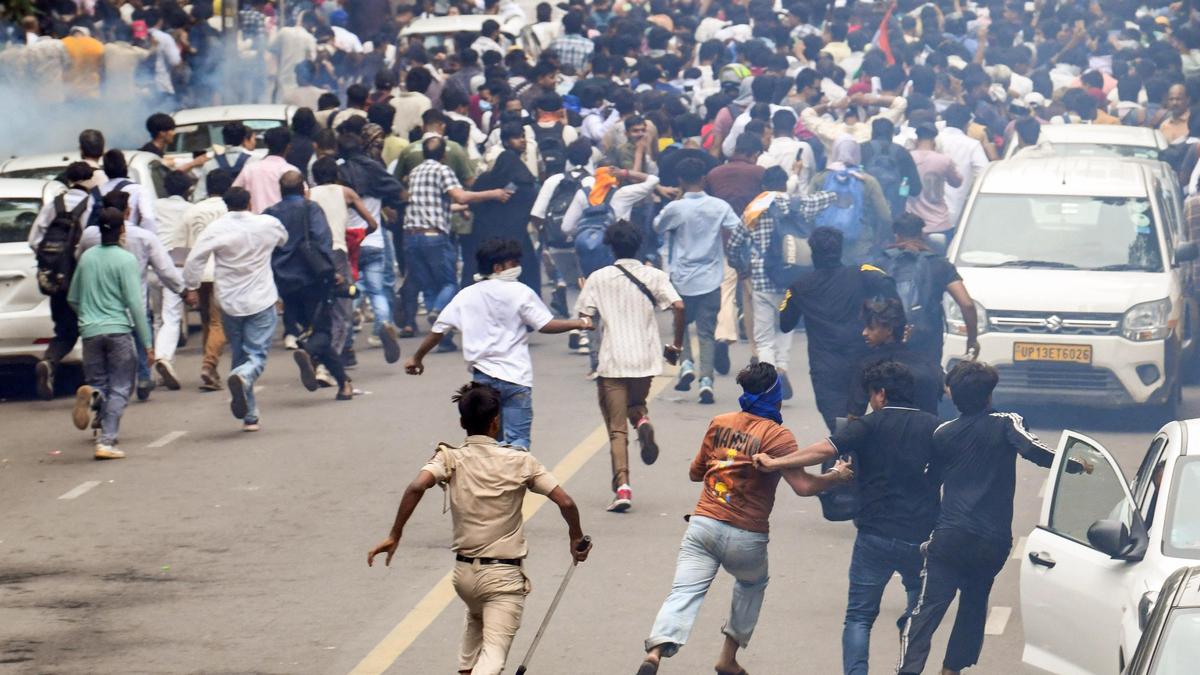
Disability rights and medical groups have demanded a ban on pellet guns and electric shock weapons following their alleged use during a July 20 protest. The incident occurred during a youth-led march to Parliament regarding examination paper leaks.
Call for Ban on Crowd-Control Weapons Following Parliament March
The Incident at 'Chalo Sansad'
On July 20, a youth-led protest organized by the Cockroach Janta Party (CJP) took place in the national capital, aimed at drawing attention to the issue of examination paper leaks. During this 'Chalo Sansad' march, reports emerged alleging that security forces employed crowd-control measures that included the use of pellet guns and electric shock batons. The deployment of such high-impact weaponry against protesters has ignited a firestorm of criticism from civil society, medical professionals, and human rights advocates who argue that these tools pose a severe risk of permanent injury.
Medical and Human Rights Concerns
In response to these allegations, the Progressive Medicos and Scientific Forum (PMSF) and various organizations operating under the National Platform for the Rights of the Disabled (NPRD) have issued a formal condemnation. These groups emphasize that weapons like pellet guns are fundamentally indiscriminate and capable of causing life-altering disabilities, including blindness and severe trauma. By highlighting the medical implications, these organizations are framing the incident not merely as a political clash, but as a public health and human rights crisis that necessitates immediate policy intervention.
Demands for Systemic Reform
The collective response from these advocacy groups goes beyond a simple condemnation; they are pushing for a comprehensive ban on the use of pellet guns and electric shock batons by all police and paramilitary forces. The argument rests on the principle that the state’s duty to maintain public order should not come at the cost of the physical integrity of its citizens. By calling for a universal ban, these groups are seeking to establish a new standard for policing that prioritizes de-escalation and non-lethal methods that do not result in permanent impairment.
Seeking Judicial Oversight
A critical component of the demands made by the PMSF and NPRD is the request for an independent judicial inquiry into the July 20 incident. This call for an external investigation underscores a lack of confidence in internal police review processes. Advocates argue that only an impartial judicial body can effectively determine the chain of command, the authorization behind the use of such weapons, and the extent of the injuries sustained by the protesters. This move is designed to ensure accountability in a system where police actions are often shielded from public scrutiny.
Broader Implications for Protest and Democracy
The controversy surrounding the 'Chalo Sansad' march highlights the broader tension between the right to dissent and the state’s approach to crowd management. When protesters, particularly youth concerned with systemic issues like examination integrity, are met with force that can cause permanent disability, it risks chilling democratic participation. The outcome of this demand for a judicial inquiry and a policy ban will likely set a significant precedent for how future protests are handled, potentially forcing a re-evaluation of the equipment used by security forces in democratic spaces.
Verification Required?