Revealed: US Arab allies secretly bombed Mojtaba’s missile depots as Trump’s Gulf shield ‘collapses’
Source Entity
Latest News: Todays Latest News Headlines from India & World | Hindustan Times | Hindustan Times
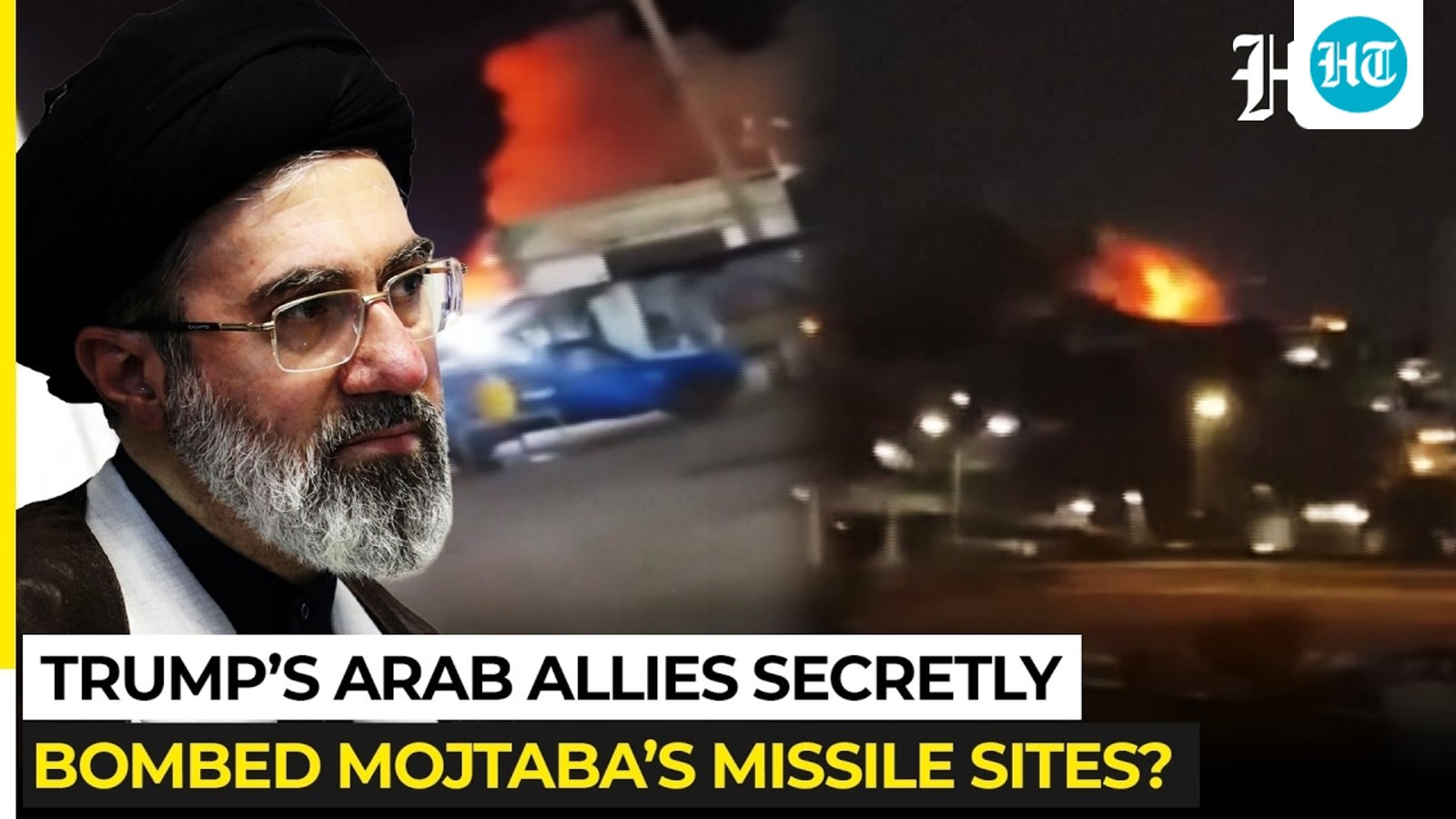
Bahrain and Kuwait reportedly conducted secret military strikes against Iranian drone and missile facilities in July. This unprecedented escalation marks a significant shift in regional security dynamics as Gulf nations take direct action against intensifying Iranian threats.
A New Era of Direct Gulf Confrontation
The recent reports detailing secret strikes by Bahrain and Kuwait against Iranian-linked drone and missile depots signal a profound and dangerous shift in Middle Eastern security dynamics. For decades, Gulf Cooperation Council (GCC) states have largely relied on the United States to provide a 'security umbrella,' preferring to leverage diplomatic channels or proxy influence rather than engaging in direct kinetic warfare with Tehran. The reported July operations represent an unprecedented departure from this strategic caution, suggesting that these nations no longer view American deterrence as sufficient to protect their sovereignty.
The Erosion of the American Shield
The narrative of a 'collapsing' Gulf shield under the current political climate points toward a growing perception of U.S. unreliability. As Gulf leaders observe shifting U.S. foreign policy priorities and a reluctance to engage in prolonged regional conflicts, the traditional reliance on the U.S. military to act as a buffer against Iranian aggression is being reassessed. By taking matters into their own hands, Bahrain and Kuwait are effectively signaling that they are transitioning from passive recipients of U.S. security guarantees to active, self-reliant combatants in their own defense.
Intelligence Networks and Regional Cooperation
The involvement of the United Arab Emirates (UAE) in providing intelligence and defensive air cover highlights a new, more integrated level of regional military cooperation. This 'coalition of the willing' suggests that Gulf states are increasingly coordinating their efforts to counter Iranian asymmetric warfare, specifically the proliferation of drone and missile technologies. By pooling resources—intelligence from the UAE and strike capabilities from Bahrain and Kuwait—these nations are creating a localized deterrent force independent of external support.
Saudi Arabia’s Strategic Recalibration
While Saudi Arabia’s role is currently described as a 'reassessment of its military posture,' this is highly significant given the Kingdom's historical position as the regional leader in opposing Iranian influence. Saudi hesitation or tactical shifting likely reflects a broader calculation regarding the risks of an all-out regional war. Riyadh is clearly weighing the necessity of military action against the potential for devastating retaliatory strikes on its own critical infrastructure, a concern that remains paramount across the entire Gulf region.
The Escalation of the 'Shadow War'
The intensification of Iranian-led attacks on Bahrain and Kuwait that preceded these strikes underscores the volatile nature of the current conflict. What was once defined as a 'shadow war' fought through proxies and cyber-operations is now manifesting as direct, overt military engagement. This transition risks dragging the region into a cycle of tit-for-tat escalation, where the threshold for full-scale war is lowered with every successful strike on missile depots and drone sites.
Future Implications and Regional Stability
Looking ahead, the region faces a precarious future. If these secret strikes become a normalized tactical response, Iran will likely feel compelled to respond with more aggressive, high-profile attacks, potentially targeting shipping lanes or energy facilities to exert economic pressure. The international community, particularly the United States, faces a difficult challenge: encouraging regional self-defense while simultaneously preventing a localized conflict from spiraling into a systemic crisis that could disrupt global energy markets and security architecture.
Verification Required?