US intel drops shocking Iran nuclear assessment: Trump makes worst mistake by killing Ali Khamenei?
Source Entity
Latest News: Todays Latest News Headlines from India & World | Hindustan Times | Hindustan Times
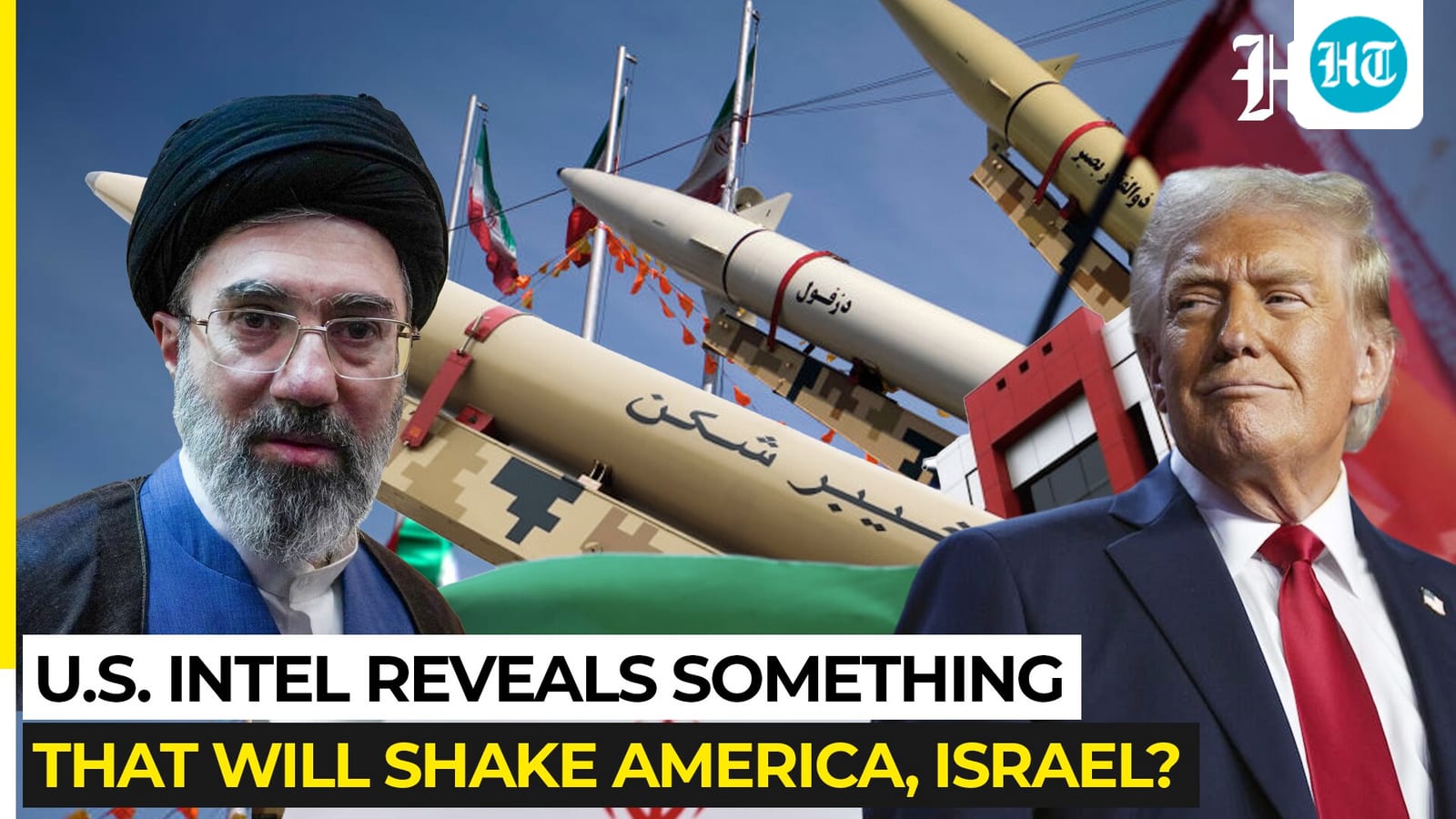
A new U.S. intelligence assessment indicates that Iran’s new Supreme Leader, Seyyed Mojtaba Khamenei, may be more inclined toward pursuing nuclear weapons than his predecessor. Despite moving sensitive equipment to the fortified Pickaxe Mountain site, Iran has not yet resumed active enrichment.
The Shifting Nuclear Stance of Iran
Recent intelligence assessments, as reported via the New York Times, have signaled a potential pivot in Iran’s long-standing nuclear posture following the death of Ali Khamenei. The transition of power to his successor, Seyyed Mojtaba Khamenei, marks a critical juncture in Middle Eastern geopolitics. Unlike his father, who maintained a complex and often opaque stance regarding the final pursuit of a nuclear arsenal, current intelligence suggests the younger Khamenei possesses a significantly higher degree of openness toward weaponization.
The Strategic Relocation to Pickaxe Mountain
The physical evidence supporting these intelligence claims centers on the movement of sensitive nuclear infrastructure to the ultra-fortified Pickaxe Mountain facility. By consolidating equipment within such a secure, hardened site, Iran is effectively insulating its nuclear program from potential preemptive strikes. This tactical shift suggests a long-term strategy designed to safeguard the program's core capabilities against external military interference, thereby providing the leadership with the leverage required to pursue strategic objectives with reduced vulnerability.
The Impact of Leadership Change
The death of Ali Khamenei and the subsequent rise of Seyyed Mojtaba Khamenei have introduced new variables into the regional security calculus. While Iran has not officially resumed full-scale uranium enrichment—a move that would trigger immediate international alarm—the shift in personnel at the top of the hierarchy appears to be driving a more assertive ideological alignment. This change in leadership style is being closely monitored by Western intelligence agencies attempting to gauge whether the new regime will discard the constraints that previously kept Iran's nuclear ambitions below the threshold of active weaponization.
Broader Implications and Regional Stability
The prospect of Iran moving closer to a nuclear weapon capability carries profound implications for regional stability and global non-proliferation efforts. If the new leadership indeed prioritizes nuclear acquisition, it risks triggering an arms race in the Middle East, as neighboring nations may feel compelled to bolster their own deterrent capabilities. The international community is currently grappling with how to interpret the move to Pickaxe Mountain—viewing it as either a defensive consolidation or a preparatory step for a more aggressive nuclear policy.
Assessing Future Trends
Looking ahead, the primary trend to watch is whether the transition at Pickaxe Mountain will be followed by a breach of existing enrichment protocols. The current intelligence suggests that while the infrastructure is being prepared, the political decision to cross the nuclear threshold remains the critical 'red line.' The international community's ability to engage with the new leadership in Tehran will be tested as they decipher whether this shift is a definitive change in policy or a continuation of traditional Iranian brinkmanship aimed at securing greater diplomatic concessions.
Verification Required?