Bangladesh President likely to resign soon: Reports
Source Entity
TOI WORLD DESK
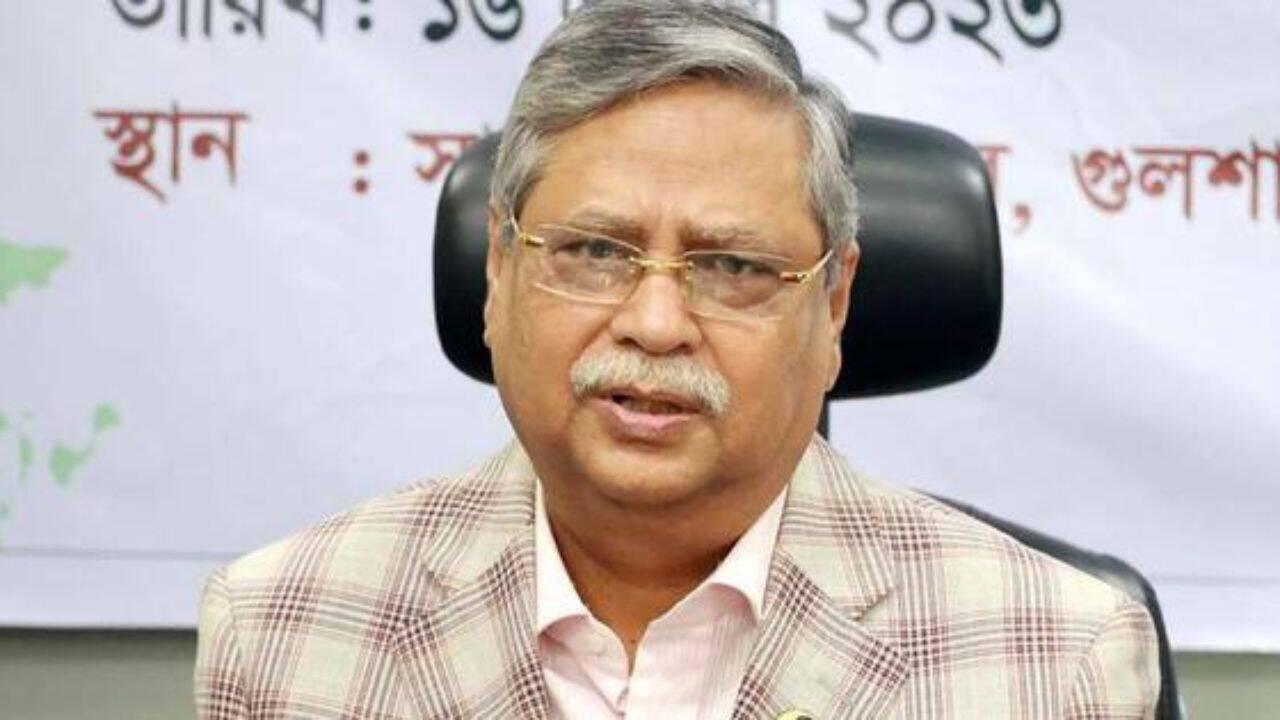
Bangladesh President Mohammad Shahabuddin is reportedly set to resign amid political pressure and instability following the ousting of Sheikh Hasina. His potential departure marks the final transition away from the previous administration's constitutional appointments.
The Impending Resignation of President Mohammad Shahabuddin
Recent reports indicate that Bangladesh President Mohammad Shahabuddin is likely to resign from his position, potentially concluding his tenure nearly two years ahead of schedule. This development follows a period of intense political volatility that has gripped the nation since the student-led uprisings in July and August 2024. As the last major constitutional figure from the previous administration, his departure would signify a definitive closing chapter on the Awami League's institutional presence.
The Context of Political Transition
The political landscape in Bangladesh has been fundamentally reshaped since the ouster of former Prime Minister Sheikh Hasina on August 5, 2024. Following widespread protests, Hasina fled to India, leaving a power vacuum that necessitated a massive reconfiguration of the state apparatus. President Shahabuddin, who was elected by the parliament dominated by Hasina’s Awami League, has remained a point of friction for the current administration, which seeks to distance itself from the policies and individuals associated with the previous regime.
Strains and Allegations
Reports suggest that the current government’s dissatisfaction with the President stems from allegations regarding his communication with the ousted Prime Minister. With Sheikh Hasina currently living in India and facing significant legal challenges—including a death sentence in absentia—the government is reportedly sensitive to any perceived attempts to undermine the current political order. The speculation regarding his resignation is fueled by the administration's desire to stabilize the executive branch and ensure that all constitutional offices are aligned with the post-uprising political mandate.
Institutional Implications
The potential resignation of Shahabuddin is not merely a symbolic change; it involves a clear constitutional pathway for succession. Reports indicate that if the President steps down, the Parliamentary Speaker, Hafizuddin Ahmed, is poised to assume the role of interim president. This transition is viewed by political analysts as a necessary step to consolidate the authority of the current government, which is operating under the shadow of the intense social and political upheaval witnessed earlier this year.
Future Trends and Stability
As Bangladesh navigates this transitional period, the focus remains on the legitimacy of its institutions. The reported plans for Sheikh Hasina’s potential return in December have added a layer of urgency to these political maneuvers. By replacing the current President, the government aims to mitigate the risk of internal opposition and solidify its hold on the nation’s governance structures. The coming weeks will likely prove critical in determining whether this change facilitates the stability the new government seeks or introduces further uncertainty into an already fragile political climate.
Multiple Citing Sources