50,000 Flee As Wildfires Ravage France, Spain
Source Entity
NDTV News Search Records Found 1000
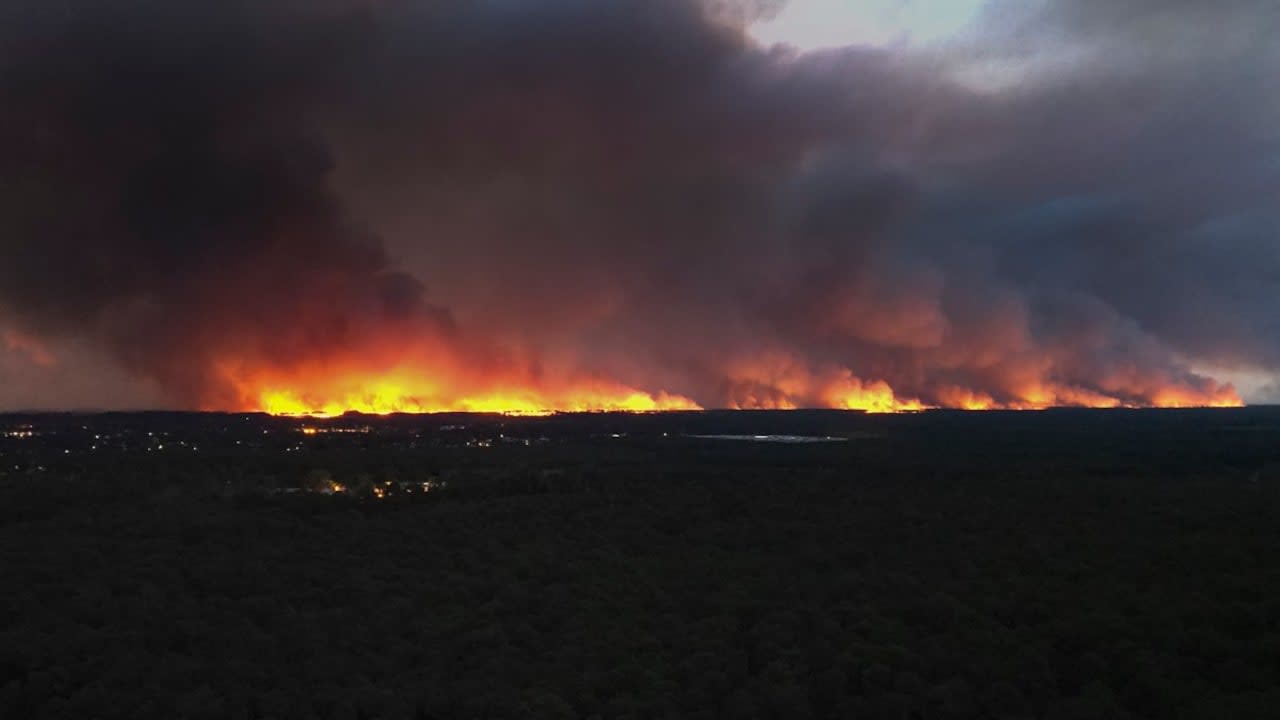
Massive wildfires in southwest France have forced the evacuation of 40,000 people as flames consume over 10,000 hectares. The crisis, fueled by extreme heatwaves and dry conditions, is part of a broader trend of devastating fires across southern Europe.
The Crisis in Southwest France: A Landscape Under Siege
The evacuation of approximately 40,000 people from southwest France marks a critical moment in an escalating environmental crisis. As confirmed by Interior Minister Laurent Nunez, the wildfires have already decimated over 10,000 hectares of land. The fire, which originated in the village of Saumos on a Wednesday, has rapidly expanded toward the Cap-Ferret peninsula, an area renowned for its dense pine forests, iconic sand dunes, and oyster shacks. This rapid progression has overwhelmed local emergency services, necessitating a massive mobilization of firefighters who have been battling the blaze for several consecutive days.
The Intersection of Geography and Climate
The geography of the region, particularly the pine-heavy forests near Bordeaux, provides ample fuel for wildfires, especially under the current atmospheric conditions. Researchers have identified a lethal combination of soaring temperatures, parched vegetation, and strong, unpredictable winds as the primary catalysts for these blazes. This environmental volatility is not isolated; it is a manifestation of a broader, more dangerous pattern of extreme weather sweeping across southern Europe, impacting both France and Spain, where tens of thousands have also been forced to flee their homes.
The Broader European Context
This year has seen some of the most significant wildfire activity in recent European history. Data indicates that the total area of land scorched by wildfires across European Union nations in the current year is the second-largest on record. This trend highlights a systemic vulnerability within the region, as climate researchers warn of "Dantesque" scenarios becoming increasingly plausible. The persistence of these extreme weather events suggests that historical fire management strategies may no longer suffice against the intensity of modern heatwaves.
Marine Heatwaves and Atmospheric Feedback
A critical factor in this crisis is the concurrent occurrence of a severe marine heatwave in the Mediterranean Sea. When sea surface temperatures reach abnormally high levels, they influence atmospheric patterns, often exacerbating the heat and dryness over inland regions. This feedback loop creates a compounding effect, where the ocean and land environments reinforce each other’s extreme states, leaving emergency services struggling to contain multiple, fast-moving blazes simultaneously.
Implications and Future Outlook
The severity of the current situation has prompted France to seek international support via the European Union’s Civil Protection Mechanism. This request underscores the limitation of national resources in the face of such widespread ecological distress. Moving forward, the trend suggests that Europe must contend with longer, more intense fire seasons. Future mitigation will likely require a shift in focus toward more robust cross-border cooperation, enhanced early-warning infrastructure, and a re-evaluation of land management practices in historically fire-prone tourist destinations like the Cap-Ferret peninsula.
Multiple Citing Sources
Verification Required?