School student seriously injured in wild gaur attack in Kerala’s Idukki
Source Entity
India Latest News: Top National Headlines Today & Breaking News | The Hindu
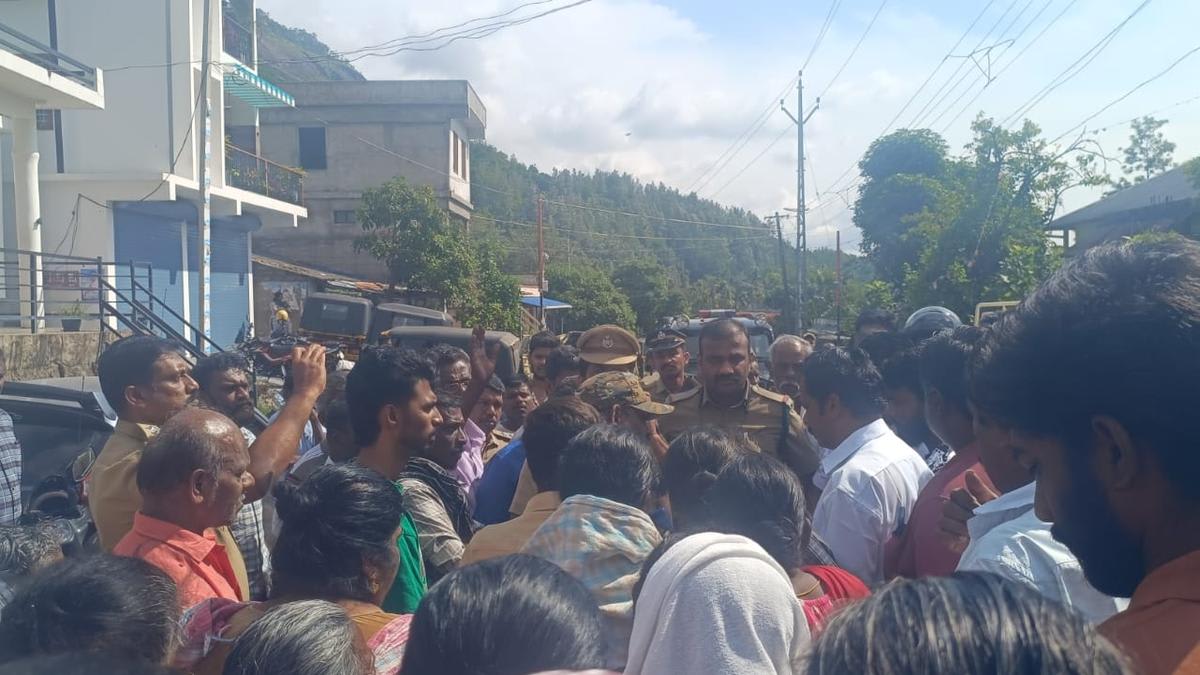
A Class 8 student was critically injured in a wild gaur attack while waiting for school transport in Idukki, Kerala. The incident has sparked local protests demanding urgent government intervention regarding wildlife-human conflict.
Wildlife-Human Conflict Escalates in Idukki
A distressing incident occurred on Thursday morning in the Marayur region of Idukki, Kerala, when a Class 8 student, Karthik Pandi, was subjected to a violent encounter with a wild gaur. The student was waiting for his usual autorickshaw transport to school near the Pallanad area of the Munnar-Udumalpet highway when the animal unexpectedly emerged and launched an attack. This event underscores the growing volatility of wildlife interactions in regions where human habitats increasingly intersect with protected or forested corridors.
Medical Response and Current Condition
Following the sudden assault, the victim sustained serious injuries that necessitated immediate medical intervention. He was initially transported to the Government Hospital in Marayur for stabilization before being transferred to a private facility in Thodupuzha. The necessity for advanced medical care highlights the severity of the trauma caused by the gaur, which is one of the largest bovine species in the world and capable of inflicting profound physical damage during aggressive encounters.
The Socio-Political Impact of the Incident
In the wake of this traumatic event, the local community has mobilized in protest. Residents staged a significant road blockade on the Marayur-Udumalpet interstate highway, signaling deep-seated frustration with the existing wildlife management strategies. These protests serve as a barometer for the broader discontent among rural populations in the Western Ghats who feel that their daily safety is being compromised by inadequate measures to deter wild animals from entering human-populated zones.
Analyzing the Regional Context
Idukki is geographically characterized by its dense forests and proximity to wildlife sanctuaries, making human-wildlife conflict an inevitable reality. However, the frequency of such incidents—specifically those involving large herbivores like gaurs venturing onto major transit arteries like the Munnar-Udumalpet highway—suggests that current mitigation efforts may be insufficient. The highway, acting as a vital link between states, inherently places commuters at risk if wildlife corridors are not properly monitored or fenced.
Future Trends and Policy Implications
Moving forward, the incident in Marayur will likely force local authorities to re-evaluate their wildlife management protocols. Future policy trends will likely involve a push for better early-warning systems, increased forest patrols during peak school transit hours, and the implementation of physical barriers to prevent large mammals from accessing high-traffic roads. The demand from the local residents underscores a shift toward prioritizing human safety in the ongoing debate over biodiversity conservation versus infrastructure development.
Conclusion
The attack on Karthik Pandi is not merely an isolated accident but a symptom of the intensifying pressure on wildlife-human boundaries in Kerala. As the community waits for the student’s recovery, the state faces mounting pressure to address the safety of its citizens while maintaining the integrity of its natural heritage. The resolution of the ongoing protests will be a critical test for local governance in balancing developmental needs with the urgent necessity of public protection.
Verification Required?