Gangs taking villages on Brazil-Peru border ‘hostage’, say Indigenous leaders
Source Entity
Jonathan Watts
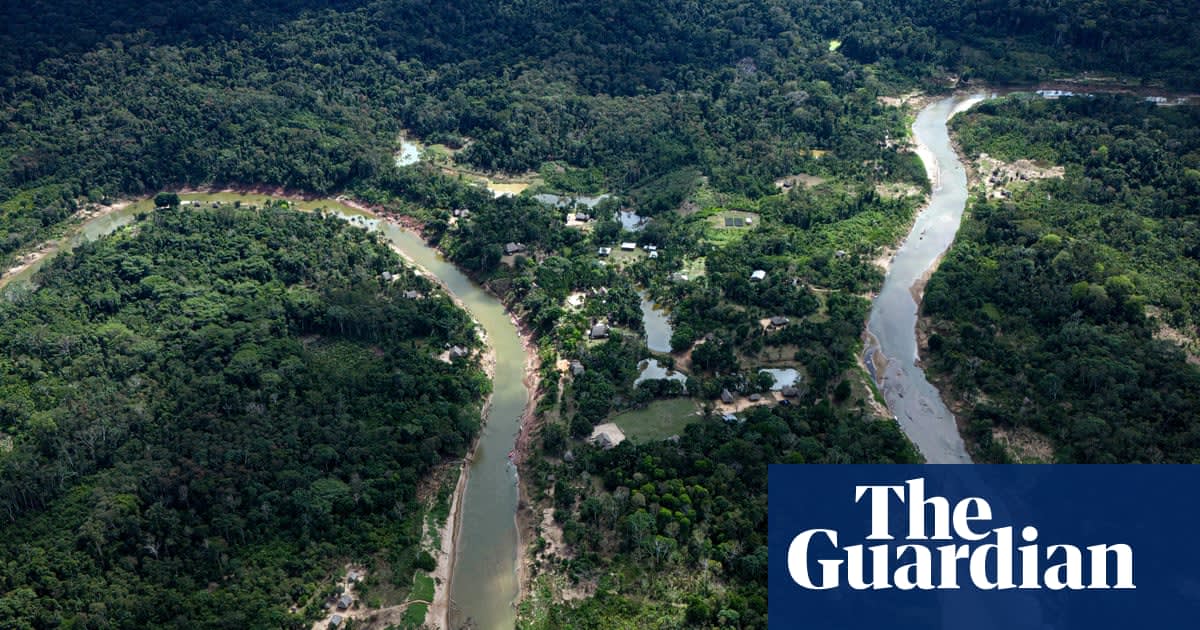
Indigenous communities on the Brazil-Peru border are facing an escalating crisis as organized crime groups seize control of their territories. These groups are engaging in drug trafficking and environmental destruction, prompting urgent pleas for government intervention.
The Siege of the Amazon: A Border Crisis
Indigenous communities residing along the porous border between Brazil and Peru are currently facing an unprecedented humanitarian and security crisis. Leaders from these regions have reported that organized crime syndicates have effectively taken their villages "hostage," creating an atmosphere of terror that threatens both the lives of the inhabitants and the integrity of the Amazon rainforest. The presence of these criminal elements marks a dangerous escalation in the region's long-standing struggles with illegal encroachment.
The Mechanics of Criminal Encroachment
The operations conducted by these criminal organizations are multifaceted and devastating. Beyond the immediate threat to human safety, these groups are actively engaged in widespread environmental destruction. By constructing unauthorized roads through protected lands to facilitate the movement of illicit goods, these syndicates are accelerating the degradation of the Amazon. This infrastructure not only serves the purpose of drug trafficking but also acts as a conduit for further illegal exploitation of natural resources, undermining decades of conservation efforts.
The Apiwtxa Incident: A Turning Point
The severity of the situation was underscored earlier this month when armed, masked men raided the Apiwtxa village within the Kampa do Rio Amônia Indigenous territory. The use of semi-automatic weapons to intimidate residents and conduct targeted searches for individuals represents a significant departure from typical illegal incursions. This event has shattered the relative security of these remote areas, signaling that organized crime has shifted from opportunistic smuggling to active territorial control.
Historical Resistance and Current Escalation
The Asháninka people have a long history of defending their ancestral territories against various intruders. For decades, they have stood at the forefront of efforts to eject narco-smugglers and protect their forest home. However, community leadership has now characterized the current wave of violence as the most perilous threat they have encountered to date. The shift from localized smuggling to organized, militarized occupation has overwhelmed the traditional defense mechanisms of these Indigenous groups.
Urgent Pleas for State Intervention
In response to the mounting danger, an emergency delegation of Indigenous leaders has traveled to Brasília to petition the administration of President Luiz Inácio Lula da Silva. The message from these leaders is stark: the state must intervene immediately to restore order and protect its citizens. The failure of the government to secure these borders directly contributes to the empowerment of criminal actors who view the remote, ungoverned stretches of the Amazon as ideal corridors for their illicit operations.
Looking Ahead: Policy Implications
The survival of these communities and the preservation of the Amazonian ecosystem now rest on the government's ability to project authority in these remote border zones. Future trends suggest that without a robust, permanent state presence, these criminal groups will continue to consolidate power, further endangering the lives of those who protect the forest. The outcome of the current negotiations in Brasília will be a critical indicator of whether the state can successfully reclaim its sovereignty over these vital, yet vulnerable, territories.