Six lanes to two: What Barapullah can learn from traffic solutions abroad
Source Entity
Pragynesh
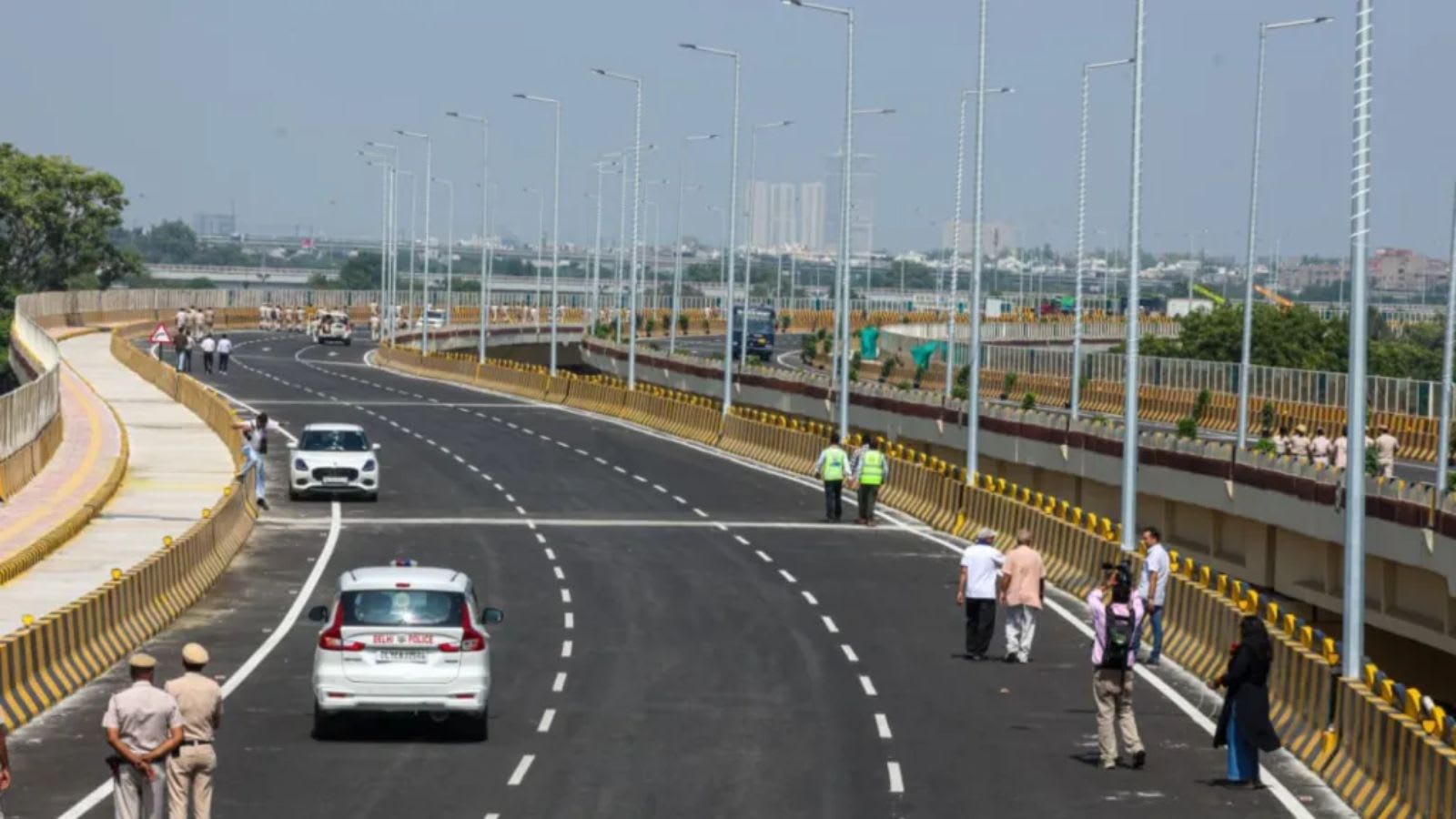
The newly opened Barapullah Phase 3 flyover in Delhi is facing severe congestion due to a bottleneck where six lanes merge into two. This project, delayed by nine years, highlights the limitations of relying solely on flyovers to solve urban traffic issues.
The Barapullah Paradox: Infrastructure vs. Urban Reality
The recent inauguration of the Barapullah Phase 3 flyover has sparked a critical debate regarding Delhi’s urban planning strategies. While the project was intended to alleviate congestion, the immediate aftermath has revealed a significant design flaw: a severe bottleneck where six lanes of traffic are forced into a mere two. This structural mismatch highlights a recurring issue in metropolitan development where the physical infrastructure fails to account for the actual flow of traffic upon exit.
A Nine-Year Delay and Changing Demographics
Construction for this project was initially slated for completion in 2017, but a series of delays pushed the opening to 2026. During this nine-year interregnum, the demographic and vehicular landscape of East Delhi and the wider National Capital Region (NCR) shifted dramatically. As vehicle ownership rates skyrocketed and population centers in Noida, Ghaziabad, and South Delhi expanded, the original traffic projections became obsolete. By the time the concrete dried, the road network it was meant to serve had already evolved beyond the project's design capacity.
The Futility of 'Flyover-First' Planning
The core issue is the reliance on flyovers as a panacea for congestion. As seen in the Barapullah case, these structures often simply shift the location of traffic jams rather than resolving them. When a high-capacity six-lane artery terminates abruptly into a narrow, pre-existing local road, the result is a systemic failure. The traffic does not vanish; it merely piles up at the merging point, creating new hotspots that frustrate commuters and negate the time-saving benefits of the flyover.
Lessons from Global Traffic Solutions
Cities abroad have increasingly moved away from the 'more roads, more lanes' philosophy, favoring integrated transport systems that prioritize public transit and flow management over sheer lane count. The Barapullah experience serves as a case study for why urban planners must consider the 'last mile' of any major infrastructure project. If the surrounding road network cannot absorb the volume provided by a new flyover, the investment yields diminishing returns for the public.
Future Implications for NCR Connectivity
The integration of East Delhi with South Delhi remains a vital corridor for the NCR, but the Barapullah Phase 3 outcome suggests that future projects need more dynamic modeling. Planners must account for the rapid growth of peripheral cities like Noida and Ghaziabad, which fundamentally alter the directional flow of traffic. Without a holistic approach that synchronizes flyover capacity with existing road infrastructure, Delhi risks repeating this cycle of localized congestion.
Conclusion
The Barapullah Phase 3 project stands as a reminder that infrastructure is not just about pouring concrete; it is about managing systemic flow. The immediate bottleneck at the Mayur Vihar end is a symptom of a larger planning disconnect. Moving forward, the city must shift its focus toward sustainable, scalable solutions that look beyond the flyover itself to the broader, interconnected network of urban movement.